
Candy-O
by The Cars
Released: June 02, 1979
Pop, new wave, rock
Shop The Cars
Amazon affiliate linksWhy This Album Matters
This album matters because its strongest editorial story is: Breakthrough.
The Album
"Candy-O" is the second studio album by the American rock band The Cars, released on June 13, 1979. Following the success of their self-titled debut album, The Cars sought to build on their momentum with this release. This image contributed significantly to the album's visual appeal and recognition.
Inside the Recording
The album was recorded at Cherokee Studios in Los Angeles and produced by Roy Thomas Baker, who had also worked with Queen.
Interesting Facts
The music of "Candy-O" continues in the vein…
The music of "Candy-O" continues in the vein of The Cars' distinctive sound, characterized by a blend of rock, new wave, and pop elements.
The band members—Ric Ocasek (vocals, rhythm guitar), Benjamin…
The band members—Ric Ocasek (vocals, rhythm guitar), Benjamin Orr (bass guitar, vocals), Elliot Easton (lead guitar), Greg Hawkes (keyboards, vocals), and David Robinson (drums)—contributed to the album's eclectic style.
The cover art of "Candy-O" is notable for…
The cover art of "Candy-O" is notable for its sexy and surreal style, featuring a pin-up illustration by artist Alberto Vargas.
Key tracks on the album include “Let’s Go,”…
Key tracks on the album include “Let’s Go,” which became a hit single, along with songs like “It's All I Can Do” and the titular track “Candy-O.” The album's success further cemented The Cars' reputation as a leading act in the rock and new wave scene of the late 1970s.
The album's blend of catchy hooks and innovative…
The album's blend of catchy hooks and innovative production has helped it endure as a classic of its era.
Essential Tracks
It's All I Can Do
Key tracks on the album include “Let’s Go,” which became a hit single, along with songs like “It's All I Can Do” and the titular track “Candy-O.” The album's success further cemented The Cars' reputation as a leading act in the rock and new wave scene of the late 1970s.
Candy-O
"Candy-O" is the second studio album by the American rock band The Cars, released on June 13, 1979.
Explore the Album
The Cars - Candy-O
Open in Albums Gallery
Reception
"Candy-O" received both critical and commercial success upon its release. It peaked at number 3 on the Billboard 200 album chart and was certified platinum in the United States.
The Complete Album Story
"Candy-O" is the second studio album by the American rock band The Cars, released on June 13, 1979. Following the success of their self-titled debut album, The Cars sought to build on their momentum with this release. The album was recorded at Cherokee Studios in Los Angeles and produced by Roy Thomas Baker, who had also worked with Queen.
The music of "Candy-O" continues in the vein of The Cars' distinctive sound, characterized by a blend of rock, new wave, and pop elements. The band members—Ric Ocasek (vocals, rhythm guitar), Benjamin Orr (bass guitar, vocals), Elliot Easton (lead guitar), Greg Hawkes (keyboards, vocals), and David Robinson (drums)—contributed to the album's eclectic style.
The cover art of "Candy-O" is notable for its sexy and surreal style, featuring a pin-up illustration by artist Alberto Vargas. This image contributed significantly to the album's visual appeal and recognition.
Key tracks on the album include “Let’s Go,” which became a hit single, along with songs like “It's All I Can Do” and the titular track “Candy-O.” The album's success further cemented The Cars' reputation as a leading act in the rock and new wave scene of the late 1970s.
"Candy-O" received both critical and commercial success upon its release. It peaked at number 3 on the Billboard 200 album chart and was certified platinum in the United States. The album's blend of catchy hooks and innovative production has helped it endure as a classic of its era.
More Pop Albums
 Yo La Tengo - I Am Not Afraid of You and I Will Beat Your Ass
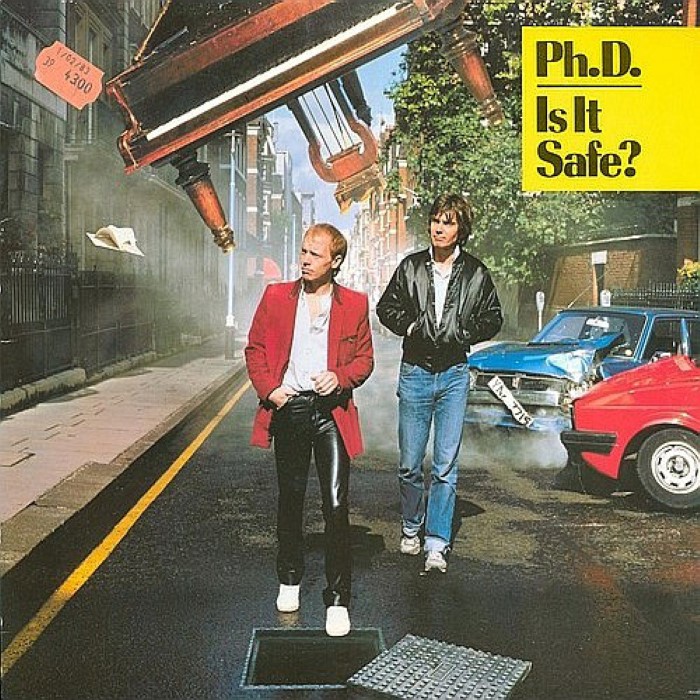 Ph.D. - Is It Safe?
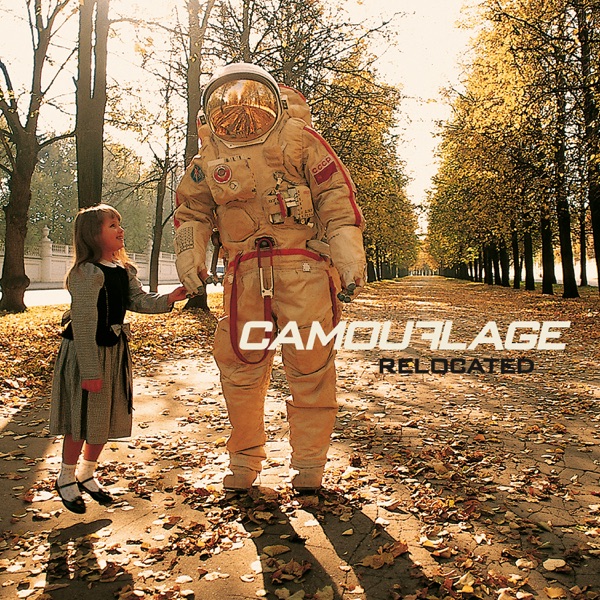 Camouflage - Relocated
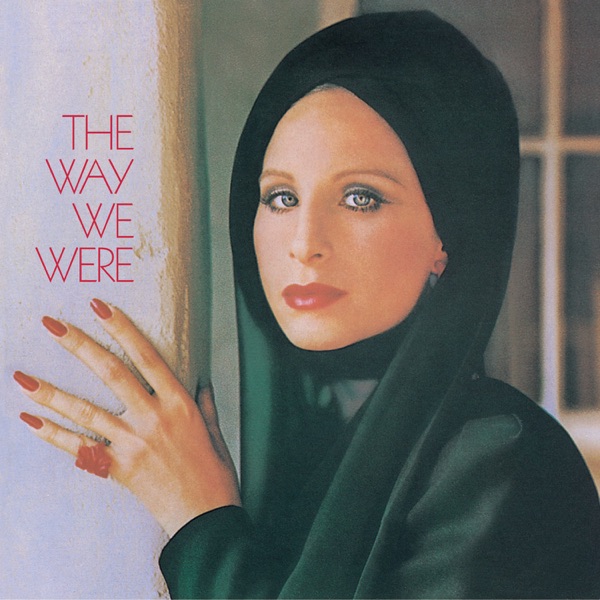 Barbra Streisand - The Way We Were
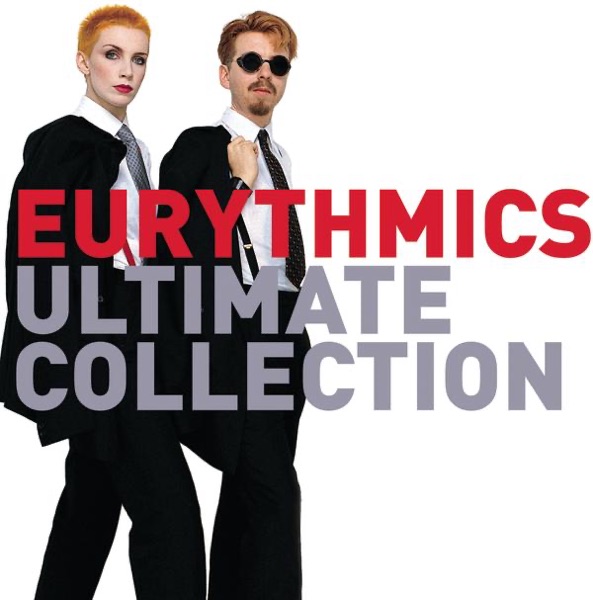 Eurythmics - Ultimate Collection
 Elton John - The Big Picture
 Grandaddy - Under the Western Freeway
 Barbra Streisand - Lazy Afternoon
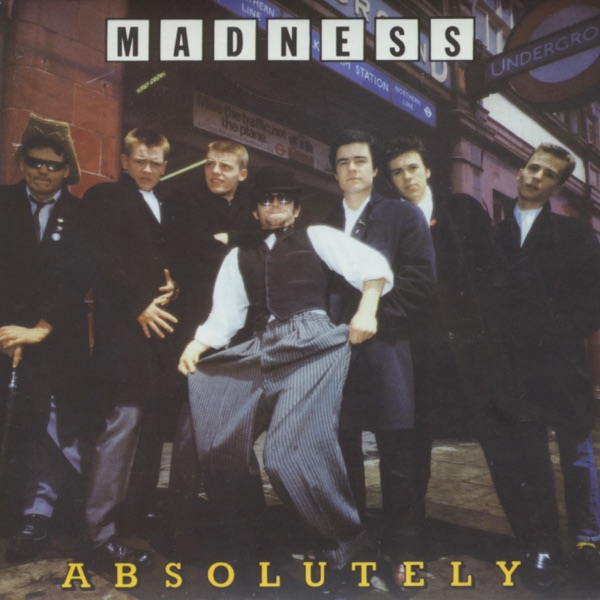 Madness - Absolutely
 Morrissey - I Am Not a Dog on a Chain
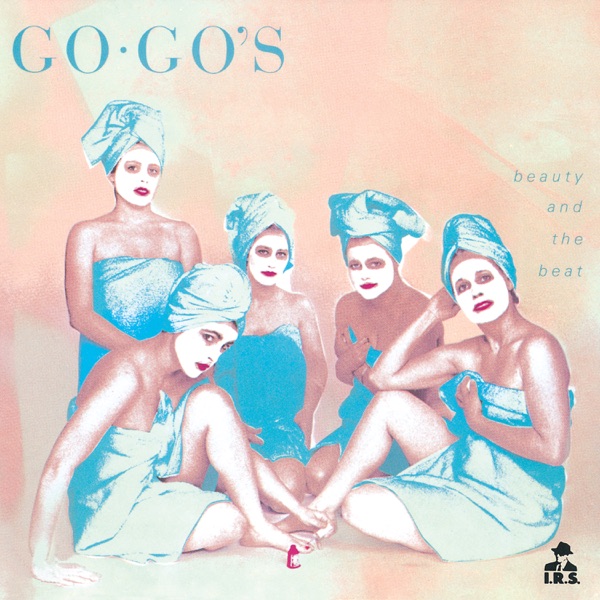 The Go-Go's - Beauty and the Beat
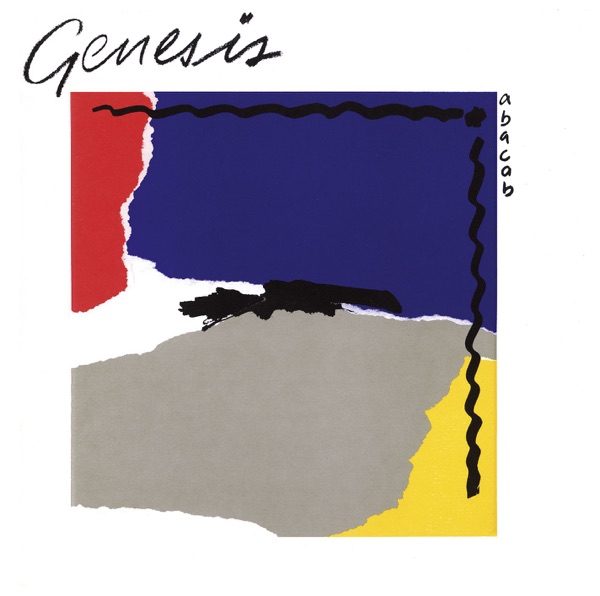 Genesis - Abacab

Join the Conversation
Share your thoughts about this album.
Please log in to add a comment.
No comments yet. Be the first to comment.