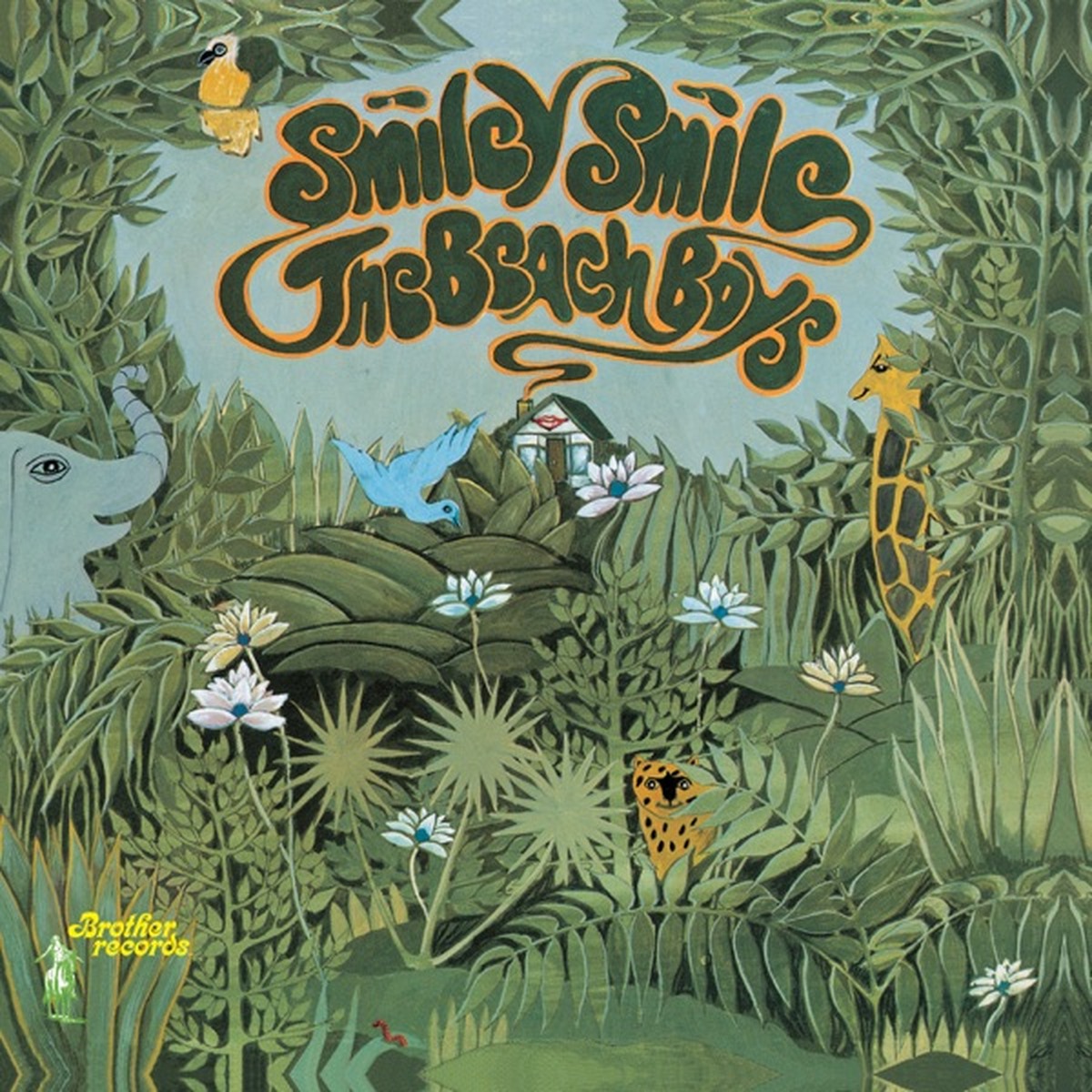
Smiley Smile
by The Beach Boys
Released: September 18, 1967
Lo-fi, psychedelia, avant-garde, bedroom pop, minimal
Shop The Beach Boys
Amazon affiliate linksWhy This Album Matters
Wilson described the fire helmets, burning wood and his belief about the nearby fire in a first-hand Guardian interview. The Washington Post independently documented the episode, while Pitchfork and musicological sources connect the Smiley Smile vocals and melody with the earlier "Fire" composition. The story is phrased explicitly as Wilson's belief, not as proof that music caused a fire.
The Album
The band eventually reworked some of the material into new songs like "Cool, Cool Water," and completed only three additional tracks: "Our Prayer," "Cabinessence," and "Surf's Up." The myth surrounding Smile and its unfulfilled potential has inspired many artists, particularly in indie rock, post-punk, electronic, and chamber pop. It was envisioned as a concept LP consisting of twelve tracks assembled from modular fragments, employing the same editing techniques used for their single "Good Vibrations." However, after a year of recording, the album was shelved. Over the next four decades, only a few tracks from the original Smile sessions were officially released, and the project became one of the most legendary unreleased albums in music history.
Interesting Facts
The album was primarily produced and composed by…
The album was primarily produced and composed by Brian Wilson, with lyrics and arrangements by Van Dyke Parks.
The project included over 50 hours of recorded…
The project included over 50 hours of recorded material, featuring musical pieces, spoken word segments, sound effects, and role-playing.
The album's completion was hindered by various issues…
The album's completion was hindered by various issues including legal disputes with Capitol Records, Wilson's perfectionism and mental health struggles, and Parks' departure from the project in early 1967.
"Smile" (sometimes stylized as SMiLE) is an unfinished…
"Smile" (sometimes stylized as SMiLE) is an unfinished album by the American rock band The Beach Boys, originally intended to follow their 1966 album Pet Sounds.
The band subsequently released a simplified version titled…
The band subsequently released a simplified version titled Smiley Smile in September 1967.
Explore the Album
The Beach Boys - Smiley Smile
Open in Albums Gallery
Reception
It won the Grammy Award for Best Historical Album at the 55th Annual Grammy Awards in 2013.
Legacy
By mid-1967, Smile was estimated to be about "50% done." Since the 1980s, extensive session recordings have circulated as bootlegs, enabling fans to piece together hypothetical versions of the album and contributing to its interactive legacy.
The Complete Album Story
"Smile" (sometimes stylized as SMiLE) is an unfinished album by the American rock band The Beach Boys, originally intended to follow their 1966 album Pet Sounds. It was envisioned as a concept LP consisting of twelve tracks assembled from modular fragments, employing the same editing techniques used for their single "Good Vibrations." However, after a year of recording, the album was shelved. The band subsequently released a simplified version titled Smiley Smile in September 1967. Over the next four decades, only a few tracks from the original Smile sessions were officially released, and the project became one of the most legendary unreleased albums in music history.
The album was primarily produced and composed by Brian Wilson, with lyrics and arrangements by Van Dyke Parks. Smile was conceived as a response to the British influences dominating popular music at the time, with Wilson aiming to create a "teenage symphony to God" that would surpass Pet Sounds. The concept involved word paintings, tape manipulation, elaborate vocal arrangements, and experiments with musical acoustics, drawing from a wide range of influences including mysticism, pre-rock and roll pop, doo-wop, jazz, ragtime, musique concrète, classical music, American history, poetry, spirituality, and cartoons. The project included over 50 hours of recorded material, featuring musical pieces, spoken word segments, sound effects, and role-playing. The planned lead singles were "Heroes and Villains," which explored early California history, and "Vega-Tables," a playful promotion of organic food.
The album's completion was hindered by various issues including legal disputes with Capitol Records, Wilson's perfectionism and mental health struggles, and Parks' departure from the project in early 1967. Although most tracks were produced between August and December 1966, very few were finished, and the album's overall structure was never finalized. Wilson, concerned about public reaction, blocked attempts to release Smile in the following years. The band eventually reworked some of the material into new songs like "Cool, Cool Water," and completed only three additional tracks: "Our Prayer," "Cabinessence," and "Surf's Up." The myth surrounding Smile and its unfulfilled potential has inspired many artists, particularly in indie rock, post-punk, electronic, and chamber pop.
By mid-1967, Smile was estimated to be about "50% done." Since the 1980s, extensive session recordings have circulated as bootlegs, enabling fans to piece together hypothetical versions of the album and contributing to its interactive legacy. Capitol Records included a loose reconstruction of the album in the 1993 box set Good Vibrations. In 2004, Wilson, Parks, and Darian Sahanaja arranged a version of Smile for live performances, known as Brian Wilson Presents Smile, which Wilson later adapted into a solo album. He noted that this version differed significantly from his original vision. In 2011, the compilation The Smile Sessions was released, offering an approximation of the original album and receiving widespread acclaim. It won the Grammy Award for Best Historical Album at the 55th Annual Grammy Awards in 2013.
More Lo-fi Albums
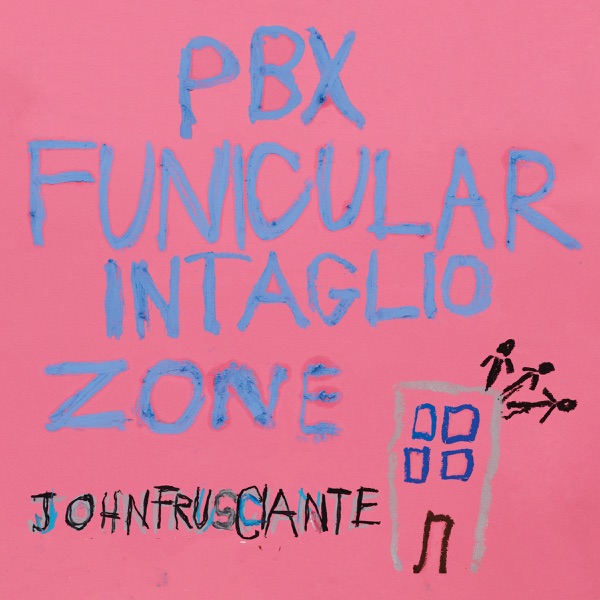 John Frusciante - PBX Funicular Intaglio Zone
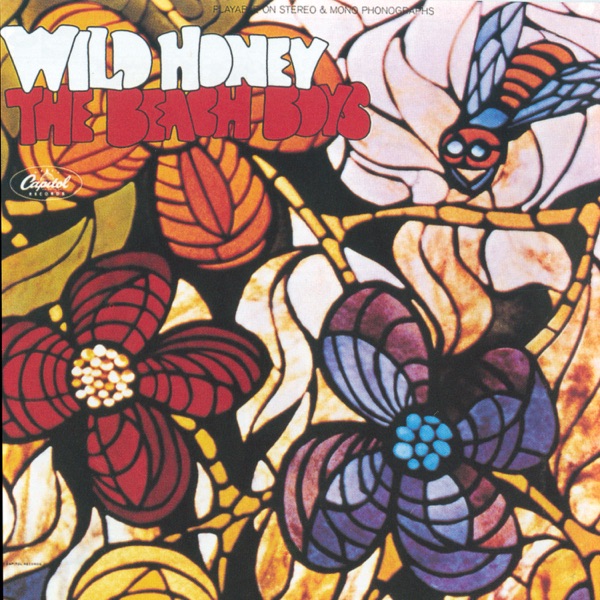 The Beach Boys - Wild Honey
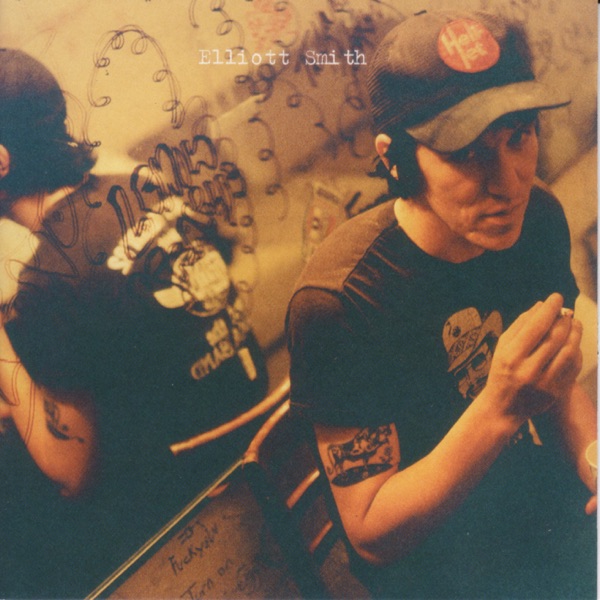 Elliott Smith - Either/Or
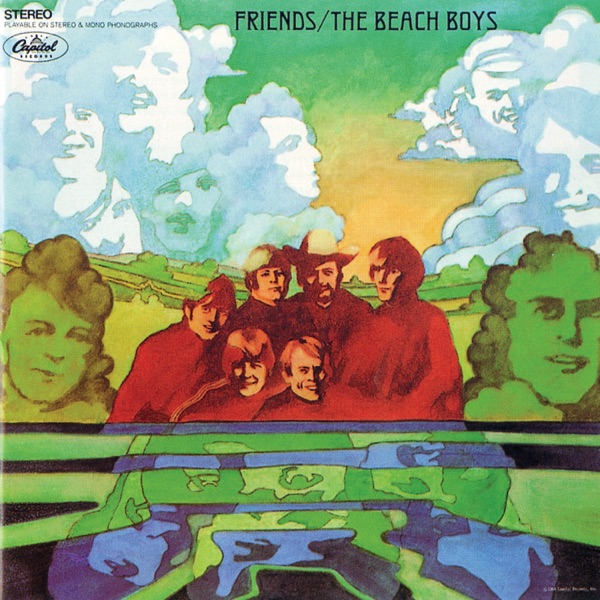 The Beach Boys - Friends (The Beach Boys album)
 Big Thief - Masterpiece (Big Thief album)
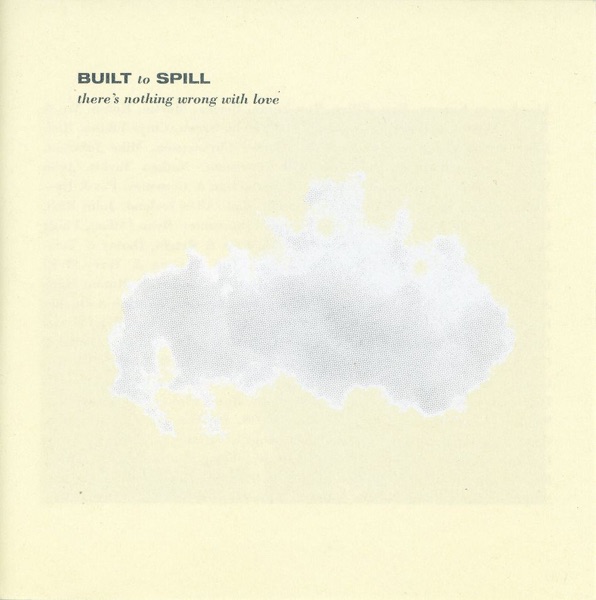 Built To Spill - There's Nothing Wrong with Love
 Paul McCartney - McCartney
 Elliott Smith - Roman Candle

Join the Conversation
Share your thoughts about this album.
Please log in to add a comment.
No comments yet. Be the first to comment.