
Win, Lose or Draw
by The Allman Brothers Band
Released: August 22, 1975
Southern rock, blues rock
Shop The Allman Brothers Band
Amazon affiliate linksWhy This Album Matters
This album matters because its strongest editorial story is: Genre Shift.
The Album
"Win, Lose or Draw" is the fifth studio album by the Allman Brothers Band, released on August 22, 1975, by Capricorn Records. This album was notable as the last studio release featuring bassist Lamar Williams and pianist Chuck Leavell. This departure from their usual collaborative recording style resulted in an album that struggled to capture the unified energy of their previous works.
Inside the Recording
It was produced by Johnny Sandlin and the band members themselves.
Interesting Facts
The album marks a transitional period for the…
The album marks a transitional period for the Allman Brothers Band, reflecting the challenges and changes the group faced during the mid-1970s.
Allman's move to Los Angeles and his high-profile…
Allman's move to Los Angeles and his high-profile relationship with pop star Cher further strained relations within the band.
During this period, band members Gregg Allman and…
During this period, band members Gregg Allman and Dickey Betts pursued solo projects, which led to speculation about the band's cohesion.
The recording of Win, Lose or Draw was…
The recording of Win, Lose or Draw was characterized by its disjointed and protracted process, reflecting the band’s internal discord.
Members often worked on the album separately, contributing…
Members often worked on the album separately, contributing to a fragmented feel.
Essential Tracks
Can't Lose What You Never Had
Critics appreciated some tracks, such as the title track by Gregg Allman, Dickey Betts' instrumental "High Falls," and the band's cover of Muddy Waters' "Can't Lose What You Never Had." However, retrospective reviews have been generally unfavorable, with many noting the album's lack of cohesion compared to the band’s earlier successes.
Win, Lose Or Draw
"Win, Lose or Draw" is the fifth studio album by the Allman Brothers Band, released on August 22, 1975, by Capricorn Records.
High Falls
Critics appreciated some tracks, such as the title track by Gregg Allman, Dickey Betts' instrumental "High Falls," and the band's cover of Muddy Waters' "Can't Lose What You Never Had." However, retrospective reviews have been generally unfavorable, with many noting the album's lack of cohesion compared to the band’s earlier successes.
Explore the Album
The Allman Brothers Band - Win, Lose or Draw
Open in Albums Gallery
Reception
Despite the mixed reviews, the album performed well commercially, reaching No. 5 on the Billboard 200 albums chart. Following the critical and commercial success of their 1973 album *Brothers and Sisters*, the Allman Brothers Band experienced internal strife and tension. Upon its release, Win, Lose or Draw received mixed-to-positive reviews.
The Complete Album Story
"Win, Lose or Draw" is the fifth studio album by the Allman Brothers Band, released on August 22, 1975, by Capricorn Records. It was produced by Johnny Sandlin and the band members themselves. This album was notable as the last studio release featuring bassist Lamar Williams and pianist Chuck Leavell.
Following the critical and commercial success of their 1973 album *Brothers and Sisters*, the Allman Brothers Band experienced internal strife and tension. During this period, band members Gregg Allman and Dickey Betts pursued solo projects, which led to speculation about the band's cohesion. Allman's move to Los Angeles and his high-profile relationship with pop star Cher further strained relations within the band.
The recording of Win, Lose or Draw was characterized by its disjointed and protracted process, reflecting the band’s internal discord. Members often worked on the album separately, contributing to a fragmented feel. This departure from their usual collaborative recording style resulted in an album that struggled to capture the unified energy of their previous works.
Upon its release, Win, Lose or Draw received mixed-to-positive reviews. Critics appreciated some tracks, such as the title track by Gregg Allman, Dickey Betts' instrumental "High Falls," and the band's cover of Muddy Waters' "Can't Lose What You Never Had." However, retrospective reviews have been generally unfavorable, with many noting the album's lack of cohesion compared to the band’s earlier successes.
Despite the mixed reviews, the album performed well commercially, reaching No. 5 on the Billboard 200 albums chart.
The album marks a transitional period for the Allman Brothers Band, reflecting the challenges and changes the group faced during the mid-1970s.
More Southern rock Albums
 Molly Hatchet - Justice (Molly Hatchet album)
 ZZ Top - Tejas
 Little Feat - Under the Radar
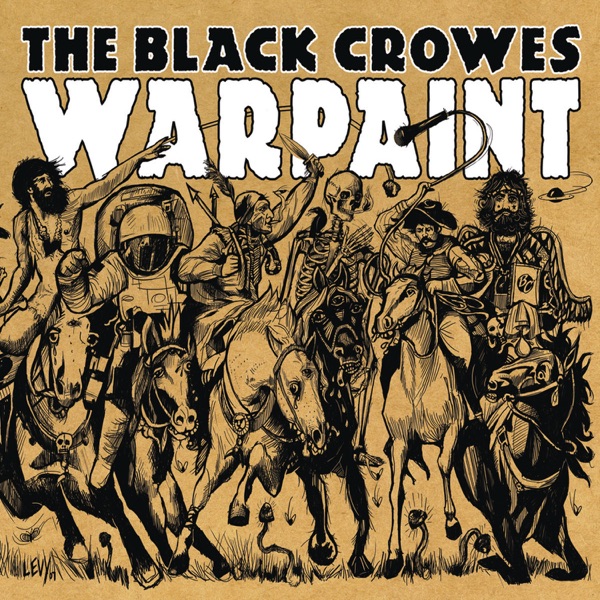 The Black Crowes - Warpaint
 Creedence Clearwater Revival - Willy and the Poor Boys
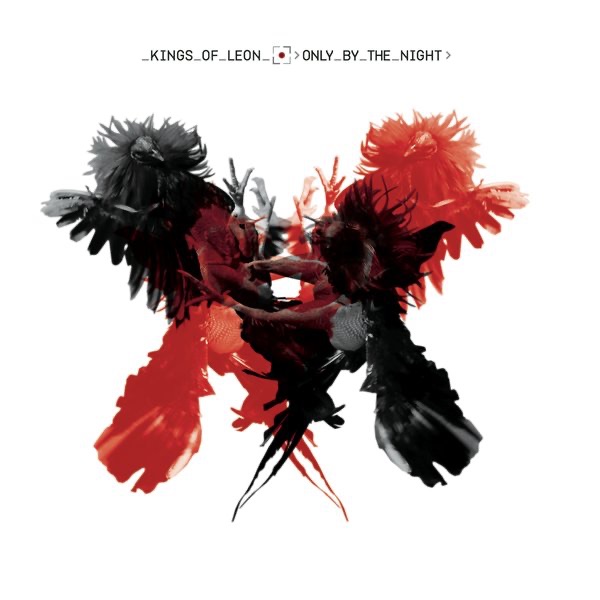 Kings Of Leon - Only by the Night
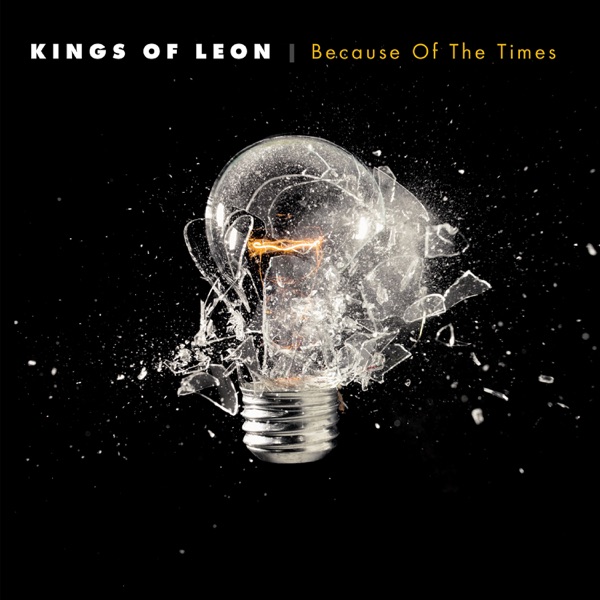 Kings Of Leon - Because of the Times
 The Allman Brothers Band - Dreams
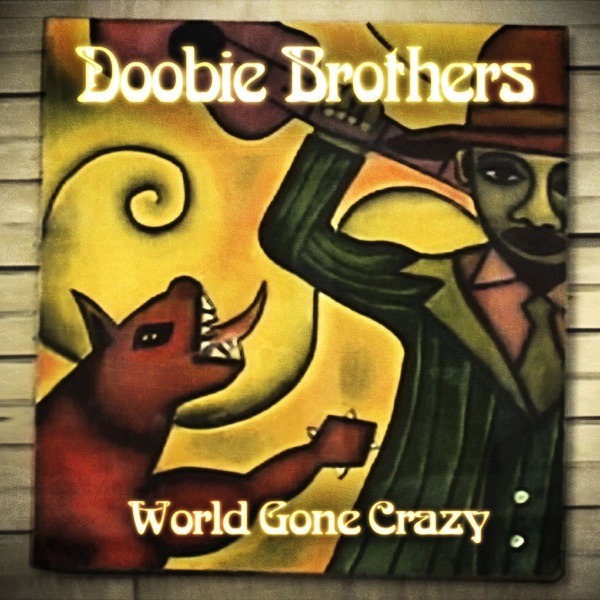 The Doobie Brothers - World Gone Crazy
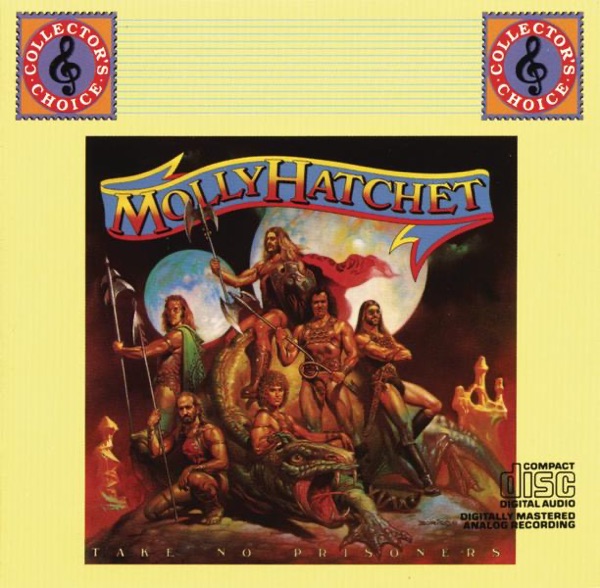 Molly Hatchet - Take No Prisoners (Molly Hatchet album)

Join the Conversation
Share your thoughts about this album.
Please log in to add a comment.
No comments yet. Be the first to comment.