
Toxicity
by System Of A Down
Released: September 04, 2001
Alternative metal, nu metal
Shop System Of A Down
Amazon affiliate linksWhy This Album Matters
This album matters because its strongest editorial story is: Experimental Album.
The Album
This juxtaposition of tranquillity and chaos perfectly encapsulates the duality at the heart of "Toxicity." It's an album that seamlessly blends societal critique with personal introspection, making it a timeless classic that resonates with listeners around the world. "Toxicity" is the second studio album by American heavy metal band, System of a Down. It has frequently been singled out for its experimental sound and poignant lyrics.
Inside the Recording
Spearheaded by vocalist Serj Tankian and guitarist Daron Malakian, the album was produced by Rick Rubin, a giant in the music industry renowned for his work with an array of top-tier artists. Although the album has a very intense and frenetic feel, it was actually recorded in a rather idyllic setting in the Hollywood Hills.
Interesting Facts
Released on September 4, 2001, through American Recordings…
Released on September 4, 2001, through American Recordings and Columbia Records, the album is characterized by its unconventional, avant-garde sound and unique melding of various musical styles, including heavy metal, punk rock, and Armenian folk music.
Tankian and Malakian are credited as the writers…
Tankian and Malakian are credited as the writers for all 14 tracks on the album, creating a direct channel for their social and political commentary.
The album is considered a monumental release of…
The album is considered a monumental release of the 2000s and a key work in the nu-metal genre.
Despite its release two decades ago, "Toxicity" continues…
Despite its release two decades ago, "Toxicity" continues to be celebrated for its musical daringness and topical relevancy.
Essential Tracks
X
This juxtaposition of tranquillity and chaos perfectly encapsulates the duality at the heart of "Toxicity." It's an album that seamlessly blends societal critique with personal introspection, making it a timeless classic that resonates with listeners around the world.
Explore the Album
System Of A Down - Toxicity
Open in Albums Gallery
Reception
Soon after its release, "Toxicity" rocketed to the top of the Billboard 200 chart, solidifying System of a Down's place in the global music scene. Other standout tracks include "Toxicity," "Aerials," and "B.Y.O.B." Apart from its commercial success, "Toxicity" also received critical acclaim. The album spawned several successful singles, most notably "Chop Suey!," which earned the band a Grammy nomination.
The Complete Album Story
"Toxicity" is the second studio album by American heavy metal band, System of a Down. Released on September 4, 2001, through American Recordings and Columbia Records, the album is characterized by its unconventional, avant-garde sound and unique melding of various musical styles, including heavy metal, punk rock, and Armenian folk music.
Spearheaded by vocalist Serj Tankian and guitarist Daron Malakian, the album was produced by Rick Rubin, a giant in the music industry renowned for his work with an array of top-tier artists. Tankian and Malakian are credited as the writers for all 14 tracks on the album, creating a direct channel for their social and political commentary.
Soon after its release, "Toxicity" rocketed to the top of the Billboard 200 chart, solidifying System of a Down's place in the global music scene. The album spawned several successful singles, most notably "Chop Suey!," which earned the band a Grammy nomination. Other standout tracks include "Toxicity," "Aerials," and "B.Y.O.B."
Apart from its commercial success, "Toxicity" also received critical acclaim. It has frequently been singled out for its experimental sound and poignant lyrics. The album is considered a monumental release of the 2000s and a key work in the nu-metal genre. Despite its release two decades ago, "Toxicity" continues to be celebrated for its musical daringness and topical relevancy.
Although the album has a very intense and frenetic feel, it was actually recorded in a rather idyllic setting in the Hollywood Hills. This juxtaposition of tranquillity and chaos perfectly encapsulates the duality at the heart of "Toxicity." It's an album that seamlessly blends societal critique with personal introspection, making it a timeless classic that resonates with listeners around the world.
More Alternative metal Albums
 Porcupine Tree - In Absentia
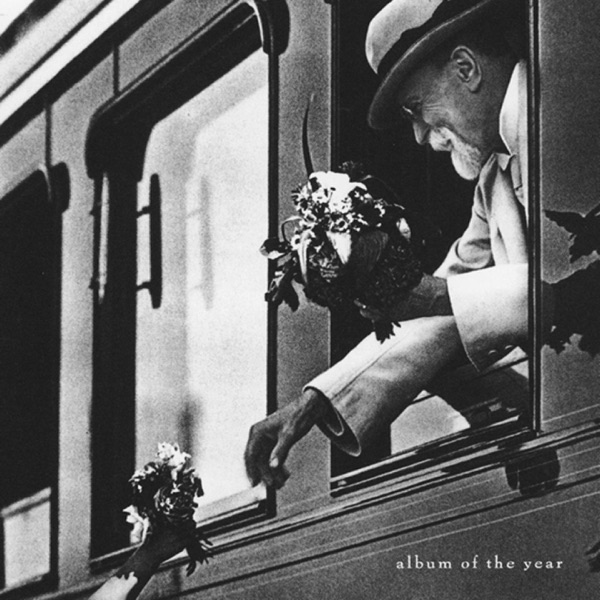 Faith No More - Album of the Year (Faith No More album)
 Primus - Pork Soda
 Metallica - St. Anger
 Alice In Chains - Alice in Chains
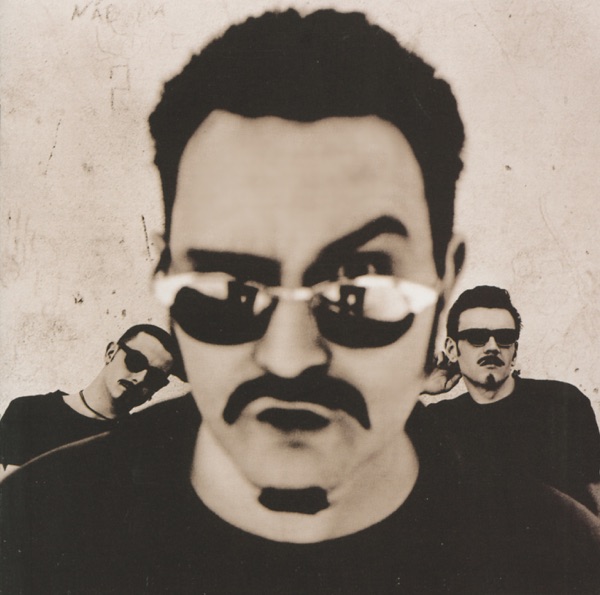 Therapy? - Infernal Love
 Saliva - Back into Your System
 Alice in Chains - Facelift
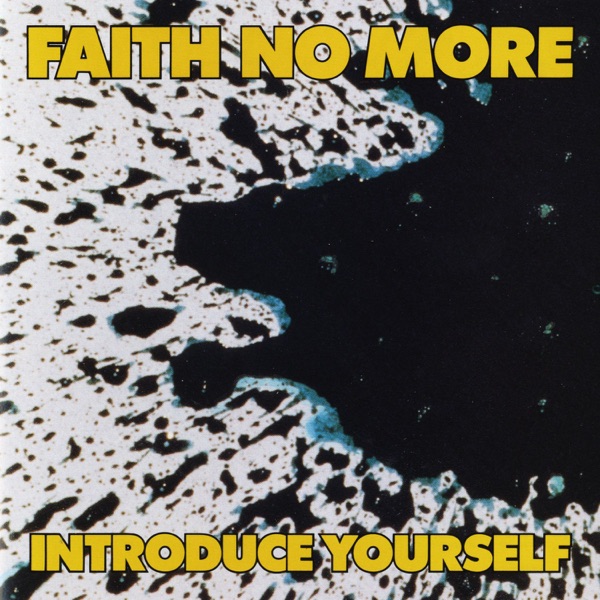 Faith No More - Introduce Yourself

Join the Conversation
Share your thoughts about this album.
Please log in to add a comment.
No comments yet. Be the first to comment.