
Kilroy Was Here
by Styx
Released: February 22, 1983
Pop rock
Shop Styx
Amazon affiliate linksWhy This Album Matters
This album matters because its strongest editorial story is: Genre Shift.
The Album
"Kilroy Was Here" is the eleventh studio album by the American rock band Styx, released in 1983. The album is a concept album that tells the story of a future society where rock music has been banned, and a rock star named Kilroy fights against the oppressive regime. The album features a mix of rock, pop, and progressive elements, with synthesizers playing a prominent role in the band's sound.
Interesting Facts
Styx experimented with theatrical elements in their music…
Styx experimented with theatrical elements in their music, incorporating spoken word segments and theatrical performances into the album's narrative.
The album's lead single, "Mr. Roboto," became one…
The album's lead single, "Mr. Roboto," became one of Styx's most famous songs and a symbol of the album's futuristic theme.
Overall, "Kilroy Was Here" remains a notable entry…
Overall, "Kilroy Was Here" remains a notable entry in Styx's discography, showcasing the band's willingness to experiment with new sounds and concepts.
Essential Tracks
High Time
Other notable tracks include "Don't Let It End," "High Time," and "Heavy Metal Poisoning." "Kilroy Was Here" received mixed reviews upon its release, with some critics praising its ambitious concept and catchy songs, while others criticized its over-the-top theatricality and departure from Styx's earlier sound.
Heavy Metal Poisoning
Other notable tracks include "Don't Let It End," "High Time," and "Heavy Metal Poisoning." "Kilroy Was Here" received mixed reviews upon its release, with some critics praising its ambitious concept and catchy songs, while others criticized its over-the-top theatricality and departure from Styx's earlier sound.
Don't Let It End
Other notable tracks include "Don't Let It End," "High Time," and "Heavy Metal Poisoning." "Kilroy Was Here" received mixed reviews upon its release, with some critics praising its ambitious concept and catchy songs, while others criticized its over-the-top theatricality and departure from Styx's earlier sound.
Explore the Album
Styx - Kilroy Was Here
Open in Albums Gallery
Reception
Other notable tracks include "Don't Let It End," "High Time," and "Heavy Metal Poisoning." "Kilroy Was Here" received mixed reviews upon its release, with some critics praising its ambitious concept and catchy songs, while others criticized its over-the-top theatricality and departure from Styx's earlier sound. Despite the mixed critical reception, the album was commercially successful, reaching Platinum status in the United States. While it may not have been universally embraced by critics, it remains a beloved album among fans and a testament to Styx's creativity and innovation.
The Complete Album Story
"Kilroy Was Here" is the eleventh studio album by the American rock band Styx, released in 1983. The album is a concept album that tells the story of a future society where rock music has been banned, and a rock star named Kilroy fights against the oppressive regime.
The album features a mix of rock, pop, and progressive elements, with synthesizers playing a prominent role in the band's sound. Styx experimented with theatrical elements in their music, incorporating spoken word segments and theatrical performances into the album's narrative.
The album's lead single, "Mr. Roboto," became one of Styx's most famous songs and a symbol of the album's futuristic theme. Other notable tracks include "Don't Let It End," "High Time," and "Heavy Metal Poisoning."
"Kilroy Was Here" received mixed reviews upon its release, with some critics praising its ambitious concept and catchy songs, while others criticized its over-the-top theatricality and departure from Styx's earlier sound. Despite the mixed critical reception, the album was commercially successful, reaching Platinum status in the United States.
Overall, "Kilroy Was Here" remains a notable entry in Styx's discography, showcasing the band's willingness to experiment with new sounds and concepts. While it may not have been universally embraced by critics, it remains a beloved album among fans and a testament to Styx's creativity and innovation.
More Pop rock Albums
 Alice Cooper - Alice Cooper Goes to Hell
 Sting - Ten Summoner's Tales
 Robbie Williams - XXV
 Toto - Fahrenheit (Toto album)
 Toto - The Seventh One
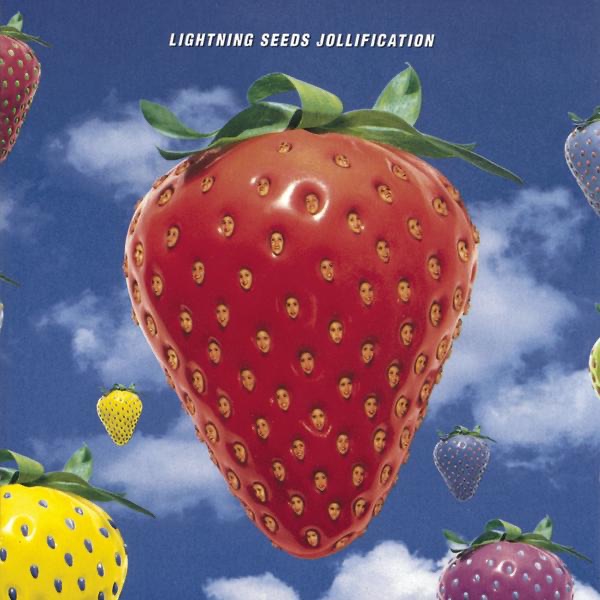 The Lightning Seeds - Jollification
 Miley Cyrus - Hannah Montana 2: Meet Miley Cyrus
 Rod Stewart - Foolish Behaviour
 Three Dog Night - It Ain't Easy (Three Dog Night album)

Join the Conversation
Share your thoughts about this album.
Please log in to add a comment.
No comments yet. Be the first to comment.