
Welcome
by Santana
Released: November 09, 1973
Jazz fusion
Shop Santana
Amazon affiliate linksWhy This Album Matters
This album matters because its strongest editorial story is: Experimental Album.
The Album
It marked a significant departure from their earlier sound, following the jazz-fusion direction that Caravanserai had established, but with an expanded and revised lineup. By the time Welcome was recorded, there had been some key changes in Santana's lineup. "Welcome" is the fifth studio album by the legendary Latin rock band Santana, released in 1973.
Interesting Facts
The album featured a mix of experimental jazz…
The album featured a mix of experimental jazz, fusion, and Latin influences, making it one of Santana's more adventurous releases.
Welcome is recognized for its far more experimental…
Welcome is recognized for its far more experimental and free-form nature compared to Santana's previous work, with a focus on extended instrumental sections and intricate jazz fusion compositions.
The album as a whole is steeped in…
The album as a whole is steeped in the improvisational jazz-fusion style that was emerging in the early 1970s, with Santana himself moving away from the more straightforward rock sound that had defined their earlier hits.
Despite its lack of commercial hits, Welcome remains…
Despite its lack of commercial hits, Welcome remains an important part of Santana's catalog, appreciated by fans of jazz fusion and those who followed the band's evolution into more experimental musical territory.
In 2003, Welcome was re-released with a bonus…
In 2003, Welcome was re-released with a bonus track titled "Mantra", a fierce improvisational piece that further exemplifies the band's ability to stretch the boundaries of jazz fusion.
Essential Tracks
Going Home
In addition, Alice Coltrane (John Coltrane's widow) played piano on the album's opening track, "Going Home", and renowned vocalist Flora Purim (the wife of percussionist Airto Moreira) contributed her vocals to the album.
Welcome
By the time Welcome was recorded, there had been some key changes in Santana's lineup.
Explore the Album
Santana - Welcome
Open in Albums Gallery
Reception
However, it received critical acclaim for its bold musical direction, marking a period of growth for Santana as a band willing to push boundaries beyond the Latin rock genre. AllMusic reviewer Thom Jurek described the track as a "killer improv tune with a ferocious bass solo by Rauch and insane drumming by Shrieve." This track was part of the expanded edition, which gave listeners an even deeper look into the band's more experimental side.
The Complete Album Story
"Welcome" is the fifth studio album by the legendary Latin rock band Santana, released in 1973. It marked a significant departure from their earlier sound, following the jazz-fusion direction that Caravanserai had established, but with an expanded and revised lineup. The album featured a mix of experimental jazz, fusion, and Latin influences, making it one of Santana's more adventurous releases.
By the time Welcome was recorded, there had been some key changes in Santana's lineup. Founding members Gregg Rolie (keyboardist/vocalist) and Neal Schon (guitarist) had left the band to form Journey. In their place, Santana enlisted Tom Coster on keyboards, Richard Kermode on organ, and Leon Thomas on vocals. The album also featured a guest appearance by John McLaughlin, a noted jazz guitarist who had collaborated with Carlos Santana on Love Devotion Surrender (1973). In addition, Alice Coltrane (John Coltrane's widow) played piano on the album's opening track, "Going Home", and renowned vocalist Flora Purim (the wife of percussionist Airto Moreira) contributed her vocals to the album.
Welcome is recognized for its far more experimental and free-form nature compared to Santana's previous work, with a focus on extended instrumental sections and intricate jazz fusion compositions. The album opens with "Going Home", a track that blends Santana's signature Latin rhythms with spiritual jazz elements. The album as a whole is steeped in the improvisational jazz-fusion style that was emerging in the early 1970s, with Santana himself moving away from the more straightforward rock sound that had defined their earlier hits. The album's mood is often meditative and introspective, incorporating complex arrangements and textures.
Unlike their earlier albums, Welcome did not produce any major hit singles. However, it received critical acclaim for its bold musical direction, marking a period of growth for Santana as a band willing to push boundaries beyond the Latin rock genre.
In 2003, Welcome was re-released with a bonus track titled "Mantra", a fierce improvisational piece that further exemplifies the band's ability to stretch the boundaries of jazz fusion. AllMusic reviewer Thom Jurek described the track as a "killer improv tune with a ferocious bass solo by Rauch and insane drumming by Shrieve." This track was part of the expanded edition, which gave listeners an even deeper look into the band's more experimental side.
Despite its lack of commercial hits, Welcome remains an important part of Santana's catalog, appreciated by fans of jazz fusion and those who followed the band's evolution into more experimental musical territory. It serves as a defining album of Santana's mid-70s period and reflects the band's exploration into spiritual and improvisational jazz music.
More Jazz fusion Albums
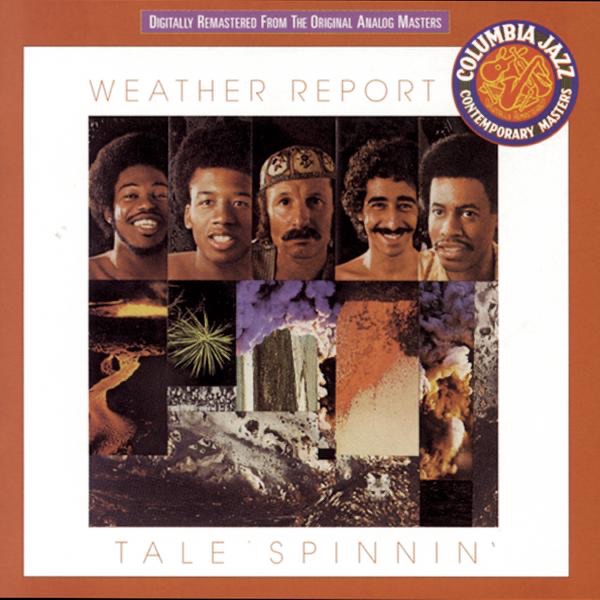 Weather Report - Tale Spinnin'
 Santana - Santana (1971 album)
 Santana - Festival
 Santana - Amigos
 Earth, Wind & Fire - Last Days and Time
 Chicago - Chicago XI
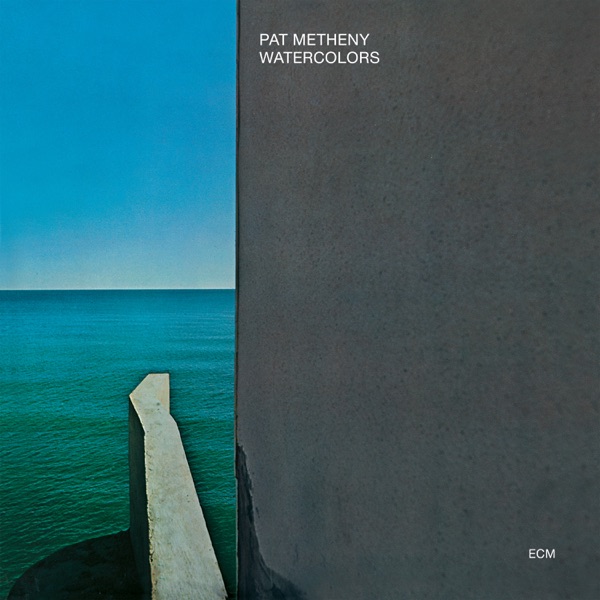 Pat Metheny - Watercolors
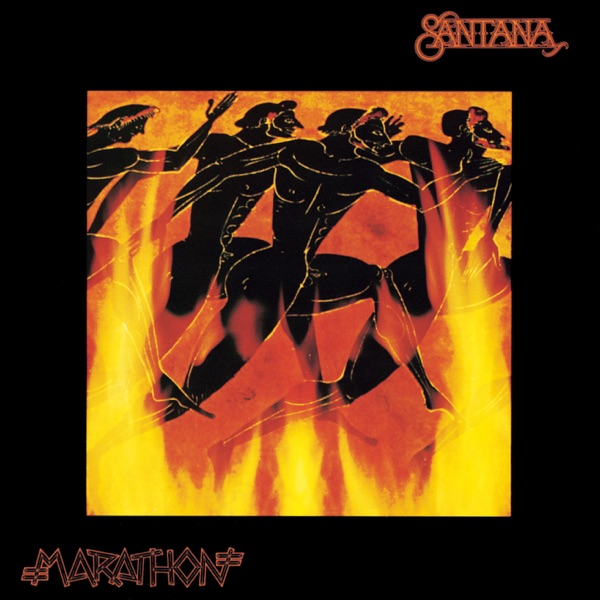 Santana - Marathon
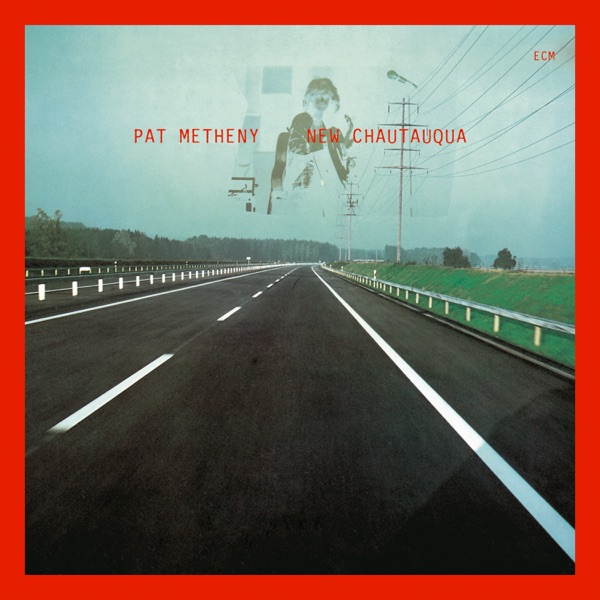 Pat Metheny - New Chautauqua
 Captain Beyond - Sufficiently Breathless
 Jethro Tull - The Jethro Tull Christmas Album

Join the Conversation
Share your thoughts about this album.
Please log in to add a comment.
No comments yet. Be the first to comment.