
Fear of a Black Planet
by Public Enemy
Released: April 10, 1990
Hardcore hip hop, political rap, East Coast hip hop, sampledelica, progressive rap
Shop Public Enemy
Amazon affiliate linksWhy This Album Matters
This album matters because its strongest editorial story is: Breakthrough.
The Album
"Fear of a Black Planet" is the third studio album by American hip hop group Public Enemy, released in 1990. Led by frontman Chuck D and hype man Flavor Flav, Public Enemy's "Fear of a Black Planet" features dense, layered production, characterized by samples, loops, and innovative sound collages. The album's soundscapes serve as a backdrop for Chuck D's incisive lyrics and socially conscious rhymes, which tackle issues such as police brutality, racial profiling, and media manipulation.
Interesting Facts
Tracks like "Fight the Power," "911 Is a…
Tracks like "Fight the Power," "911 Is a Joke," and "Welcome to the Terrordome" became anthems for the civil rights movement and resonated with audiences around the world.
The album's provocative title and bold messaging challenged…
The album's provocative title and bold messaging challenged listeners to confront the realities of systemic racism and oppression, sparking important conversations about race and identity.
It received praise for its boldness, creativity, and…
It received praise for its boldness, creativity, and uncompromising social commentary, solidifying Public Enemy's status as one of the most influential hip hop groups of all time.
Essential Tracks
Welcome To The Terrordome
Tracks like "Fight the Power," "911 Is a Joke," and "Welcome to the Terrordome" became anthems for the civil rights movement and resonated with audiences around the world.
Fear Of A Black Planet
"Fear of a Black Planet" is the third studio album by American hip hop group Public Enemy, released in 1990.
Explore the Album
Public Enemy - Fear of a Black Planet
Open in Albums Gallery
Reception
Despite facing controversy and censorship due to its politically charged content, "Fear of a Black Planet" was a commercial success, reaching the top of the charts and earning critical acclaim.
Legacy
The album is widely regarded as one of the most influential and politically charged works in the history of hip hop, addressing themes of racism, inequality, and social justice. "Fear of a Black Planet" remains a landmark album in the history of hip hop, inspiring subsequent generations of artists and activists to use music as a platform for social change and racial justice. Its legacy continues to resonate today, as movements like Black Lives Matter continue to fight against systemic racism and inequality.
The Complete Album Story
"Fear of a Black Planet" is the third studio album by American hip hop group Public Enemy, released in 1990. The album is widely regarded as one of the most influential and politically charged works in the history of hip hop, addressing themes of racism, inequality, and social justice.
Led by frontman Chuck D and hype man Flavor Flav, Public Enemy's "Fear of a Black Planet" features dense, layered production, characterized by samples, loops, and innovative sound collages. The album's soundscapes serve as a backdrop for Chuck D's incisive lyrics and socially conscious rhymes, which tackle issues such as police brutality, racial profiling, and media manipulation.
Tracks like "Fight the Power," "911 Is a Joke," and "Welcome to the Terrordome" became anthems for the civil rights movement and resonated with audiences around the world. The album's provocative title and bold messaging challenged listeners to confront the realities of systemic racism and oppression, sparking important conversations about race and identity.
Despite facing controversy and censorship due to its politically charged content, "Fear of a Black Planet" was a commercial success, reaching the top of the charts and earning critical acclaim. It received praise for its boldness, creativity, and uncompromising social commentary, solidifying Public Enemy's status as one of the most influential hip hop groups of all time.
"Fear of a Black Planet" remains a landmark album in the history of hip hop, inspiring subsequent generations of artists and activists to use music as a platform for social change and racial justice. Its legacy continues to resonate today, as movements like Black Lives Matter continue to fight against systemic racism and inequality.
More Hardcore hip hop Albums
 The Notorious B.I.G. - Greatest Hits (The Notorious B.I.G. album)
 Dr. Dre - 2001
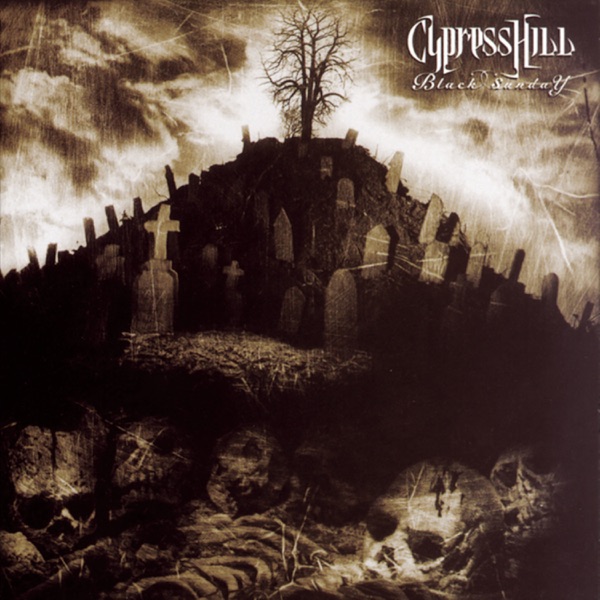 Cypress Hill - Back in Black
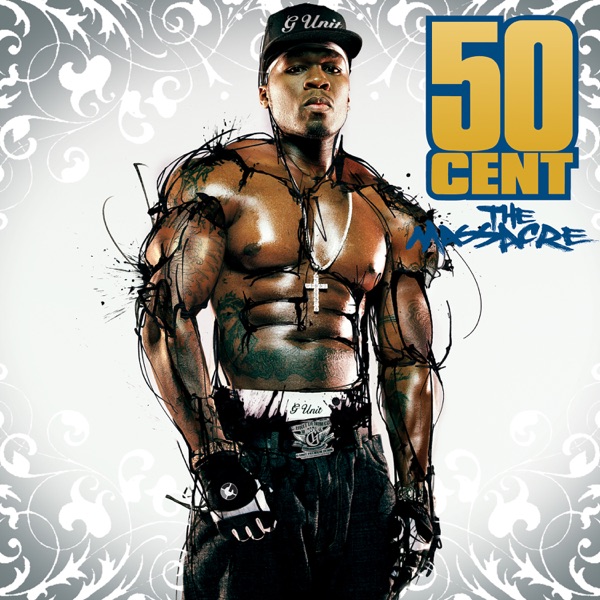 50 Cent - 50 Cent Is the Future
Cypress Hill - Black Sunday (Cypress Hill album)
50 Cent - 50 Cent Is the Future
Cypress Hill - Black Sunday (Cypress Hill album)
 House Of Pain - House of Pain (album)
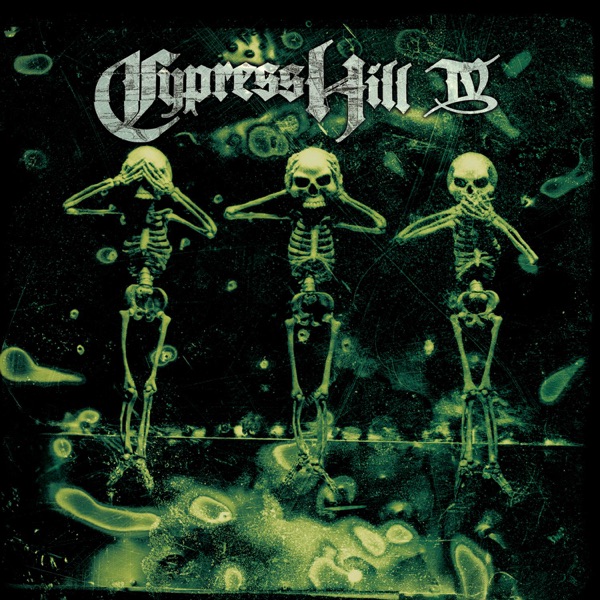 Cypress Hill - Cypress Hill IV
50 Cent - The Massacre
50 Cent - The Lost Tape (mixtape)
Cypress Hill - Cypress Hill IV
50 Cent - The Massacre
50 Cent - The Lost Tape (mixtape)
 Busta Rhymes - Back on My B.S.
 Eminem - Curtain Call: The Hits

Join the Conversation
Share your thoughts about this album.
Please log in to add a comment.
No comments yet. Be the first to comment.