
Run Devil Run
by Paul McCartney
Released: October 04, 1999
Rock and roll
Shop Paul McCartney
Amazon affiliate linksWhy This Album Matters
This album matters because its strongest editorial story is: Chart Success.
The Album
"Run Devil Run" is the eleventh solo studio album by Paul McCartney, released in 1999. "No Other Baby," originally recorded by the Vipers, made a significant impression on McCartney despite him not owning a copy at the time. The album features mostly covers of both familiar and obscure 1950s rock and roll songs, along with three original compositions by McCartney, including the title track.
Inside the Recording
He enlisted producer Chris Thomas and booked time at Abbey Road Studios to create the album. He aimed to keep the recording process fresh and quick, similar to how The Beatles worked in their early years. The recording sessions were laid-back, emphasizing the feel of early rock and roll.
Interesting Facts
It marks his return to music following the…
It marks his return to music following the death of his first wife, Linda, in 1998.
McCartney felt compelled to revisit the music he…
McCartney felt compelled to revisit the music he loved as a teenager.
He promoted the album with a performance at…
He promoted the album with a performance at the Cavern Club on 14 December 1999.
After Linda's death in April 1998, McCartney took…
After Linda's death in April 1998, McCartney took a year to mourn.
The album consists of 12 cover versions and…
The album consists of 12 cover versions and three originals.
Essential Tracks
She Said Yeah
Notable covers include "Blue Jean Bop" by Gene Vincent, "She Said Yeah" by Larry Williams, and several songs by Elvis Presley.
Run Devil Run
"Run Devil Run" is the eleventh solo studio album by Paul McCartney, released in 1999.
No Other Baby
"No Other Baby," originally recorded by the Vipers, made a significant impression on McCartney despite him not owning a copy at the time.
Try Not To Cry
The original songs "Run Devil Run," "Try Not to Cry," and "What It Is" reflect his experiences and emotions following Linda's passing.
What It Is
The original songs "Run Devil Run," "Try Not to Cry," and "What It Is" reflect his experiences and emotions following Linda's passing.
Explore the Album
Paul McCartney - Run Devil Run
Open in Albums Gallery
Reception
To promote the album, several limited-edition versions and bonus discs were released, including a special edition sold at Best Buy that featured an interview disc and a four-track EP at other retailers. Released on 4 October 1999 in the UK and a day later in the US, the album reached number 12 in the UK and number 27 in the US.
The Complete Album Story
"Run Devil Run" is the eleventh solo studio album by Paul McCartney, released in 1999. The album features mostly covers of both familiar and obscure 1950s rock and roll songs, along with three original compositions by McCartney, including the title track. It marks his return to music following the death of his first wife, Linda, in 1998. McCartney felt compelled to revisit the music he loved as a teenager. He promoted the album with a performance at the Cavern Club on 14 December 1999.
After Linda's death in April 1998, McCartney took a year to mourn. He aimed to keep the recording process fresh and quick, similar to how The Beatles worked in their early years. He enlisted producer Chris Thomas and booked time at Abbey Road Studios to create the album.
The album consists of 12 cover versions and three originals. Notable covers include "Blue Jean Bop" by Gene Vincent, "She Said Yeah" by Larry Williams, and several songs by Elvis Presley. "No Other Baby," originally recorded by the Vipers, made a significant impression on McCartney despite him not owning a copy at the time. The original songs "Run Devil Run," "Try Not to Cry," and "What It Is" reflect his experiences and emotions following Linda's passing.
McCartney wanted to work with trustworthy musicians, recruiting guitarist David Gilmour, along with Mick Green, keyboardists Pete Wingfield and Geraint Watkins, and drummers Ian Paice and Dave Mattacks. The recording sessions were laid-back, emphasizing the feel of early rock and roll. The album was completed after several sessions in early March and additional ones in April and May.
Released on 4 October 1999 in the UK and a day later in the US, the album reached number 12 in the UK and number 27 in the US. The title was inspired by a hoodoo and herbal medicine shop in Atlanta, which appealed to McCartney as a fitting name for a rock and roll song.
To promote the album, several limited-edition versions and bonus discs were released, including a special edition sold at Best Buy that featured an interview disc and a four-track EP at other retailers. The single "No Other Baby" was released with additional tracks in both the UK and the US, along with a music video filmed in black and white that highlights McCartney's grief. He also filmed a performance at the Cavern Club, which was later released as a video titled Live at the Cavern Club.
More Rock and roll Albums
 Little Feat - Sailin' Shoes
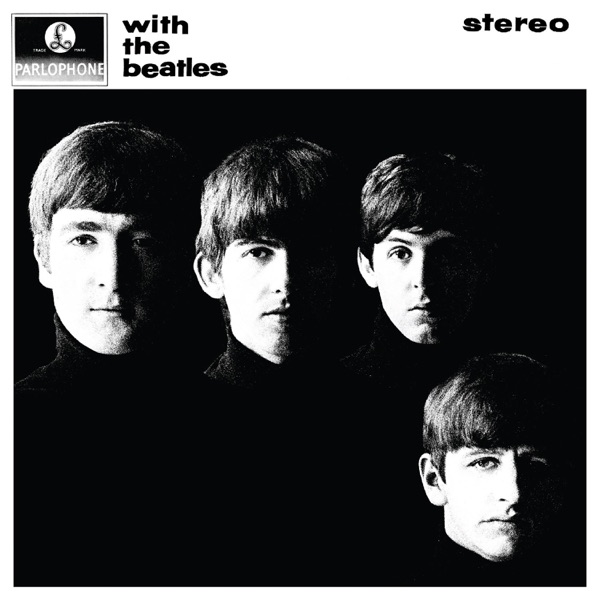 The Beatles - With the Beatles
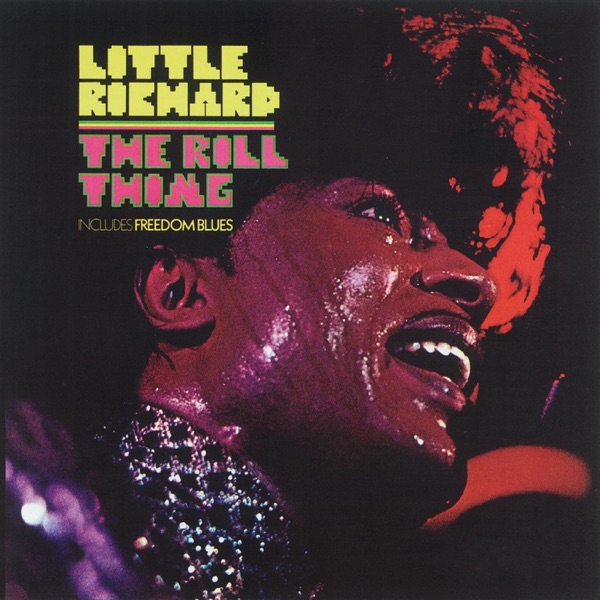 Little Richard - The Rill Thing
 Chuck Berry - Fresh Berry's
 The Beatles - Introducing... The Beatles
 Bruce Springsteen - Letter to You
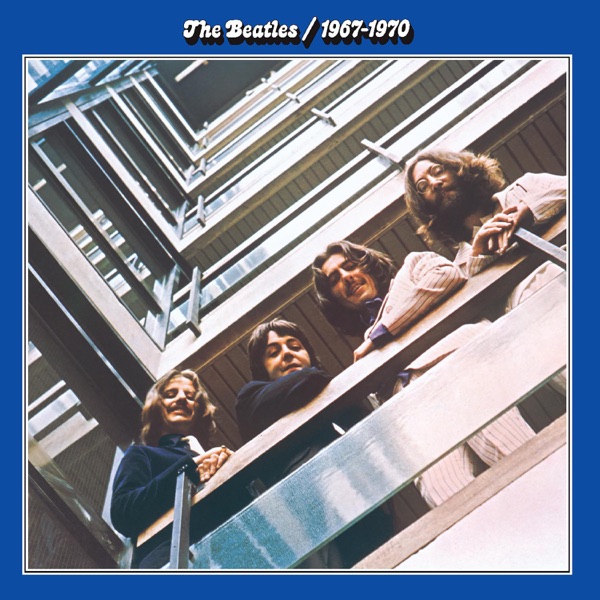 The Beatles - The Beatles' Second Album
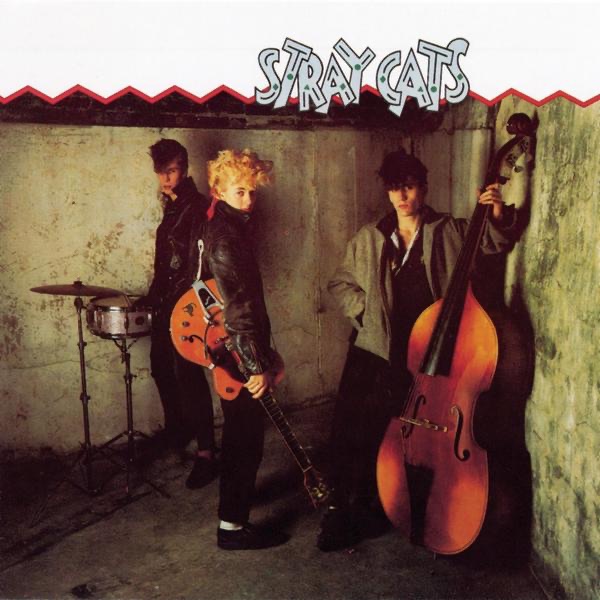 Stray Cats - Gonna Ball
 Grease - Grease (1978 soundtrack)
 Janis Joplin - Farewell Song
 Chuck Berry - After School Session
 Little Richard - Here's Little Richard

Join the Conversation
Share your thoughts about this album.
Please log in to add a comment.
No comments yet. Be the first to comment.