
Symbol of Life
by Paradise Lost
Released: October 21, 2002
Gothic metal, gothic rock
Shop Paradise Lost
Amazon affiliate linksWhy This Album Matters
This album matters because its strongest editorial story is: Breakthrough.
The Album
"Symbol of Life" is the ninth studio album by the British gothic metal band Paradise Lost, released on October 21, 2002. Overall, "Symbol of Life" represents an important chapter in Paradise Lost's discography, demonstrating their ability to evolve while revisiting the essence of their early gothic metal roots. **Themes:** "Symbol of Life" delves into themes of personal struggle, existential contemplation, and the search for meaning, reflecting the band's classic lyrical exploration of melancholy and introspection.
Inside the Recording
The album was recorded at Chapel Studios and The Green Room in Lincolnshire, England.
Interesting Facts
**Background and Style:** Paradise Lost, known for pioneering…
**Background and Style:** Paradise Lost, known for pioneering the gothic metal genre, underwent various stylistic changes throughout their career.
This album marked a significant return to a…
This album marked a significant return to a heavier and guitar-oriented sound after the band's earlier foray into more electronic and synth-driven music.
In the late 1990s, the band explored a…
In the late 1990s, the band explored a more accessible rock and electronica-inspired direction.
However, "Symbol of Life" brought back a balance…
However, "Symbol of Life" brought back a balance between their gothic roots and modern metal influences, incorporating heavy guitar riffs, melodic elements, and electronic enhancements.
The album's production was led by Rhys Fulber…
The album's production was led by Rhys Fulber, who is known for his work with industrial and electronic bands.
Explore the Album
Paradise Lost - Symbol of Life
Open in Albums Gallery
Reception
**Reception:** The album received generally positive reviews, with critics appreciating the band's return to a heavier sound while retaining a modern edge.
Legacy
It is often regarded as an album that successfully bridges their past gothic aesthetic with contemporary metal elements.
The Complete Album Story
"Symbol of Life" is the ninth studio album by the British gothic metal band Paradise Lost, released on October 21, 2002. This album marked a significant return to a heavier and guitar-oriented sound after the band's earlier foray into more electronic and synth-driven music.
**Background and Style:**
Paradise Lost, known for pioneering the gothic metal genre, underwent various stylistic changes throughout their career. In the late 1990s, the band explored a more accessible rock and electronica-inspired direction. However, "Symbol of Life" brought back a balance between their gothic roots and modern metal influences, incorporating heavy guitar riffs, melodic elements, and electronic enhancements.
The album's production was led by Rhys Fulber, who is known for his work with industrial and electronic bands. His influence helped the band merge darker atmospheres with a modern production style. The album was recorded at Chapel Studios and The Green Room in Lincolnshire, England.
**Themes:**
"Symbol of Life" delves into themes of personal struggle, existential contemplation, and the search for meaning, reflecting the band's classic lyrical exploration of melancholy and introspection.
**Tracks:**
Some notable tracks on the album include "Isolate," "Erased," and "Pray Nightfall," each showcasing a blend of aggressive and melodic styles, layered with Gregor Mackintosh's distinctive lead guitar work and Nick Holmes' commanding vocals.
**Reception:**
The album received generally positive reviews, with critics appreciating the band's return to a heavier sound while retaining a modern edge. It is often regarded as an album that successfully bridges their past gothic aesthetic with contemporary metal elements.
Overall, "Symbol of Life" represents an important chapter in Paradise Lost's discography, demonstrating their ability to evolve while revisiting the essence of their early gothic metal roots.
More Gothic metal Albums
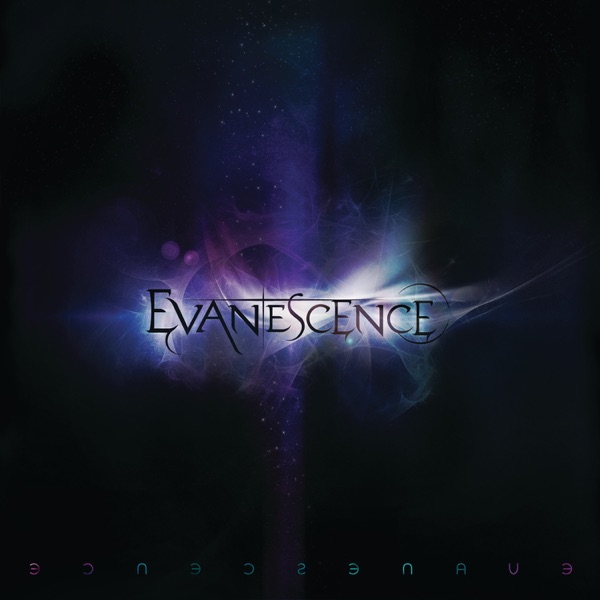 Evanescence - Evanescence
 Paradise Lost - Obsidian
 Paradise Lost - Medusa
 Fields Of The Nephilim - Mourning Sun
 Paradise Lost - Shades of God
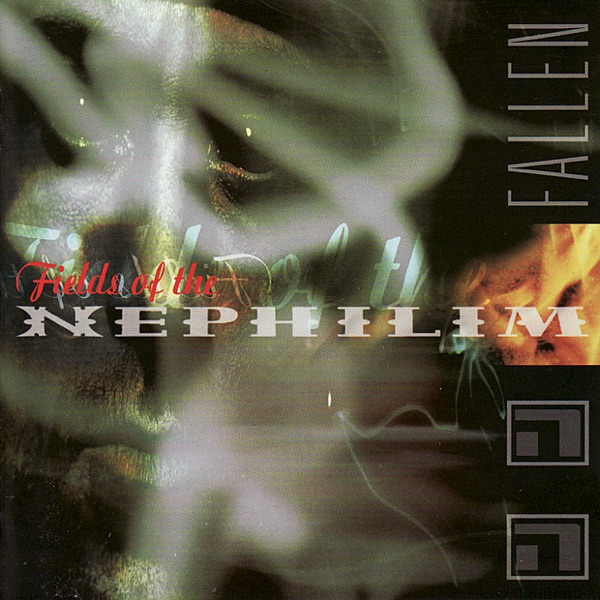 Fields Of The Nephilim - Fallen (Fields of the Nephilim album)
 Paradise Lost - Tragic Idol
 Paradise Lost - Faith Divides Us – Death Unites Us
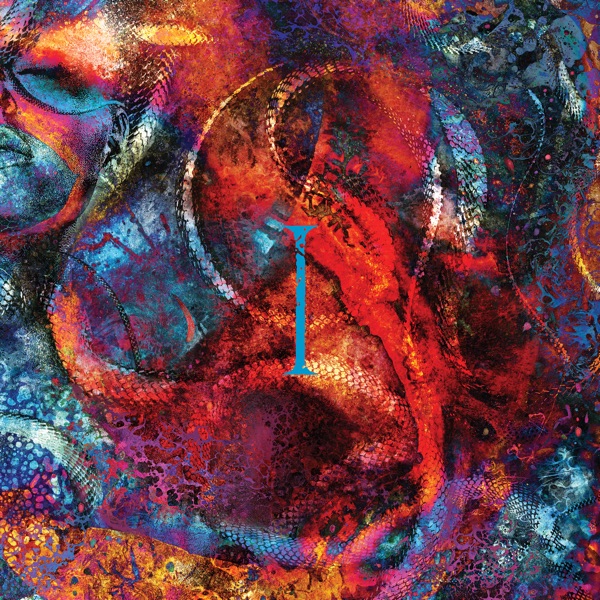 Converge - Bloodmoon: I
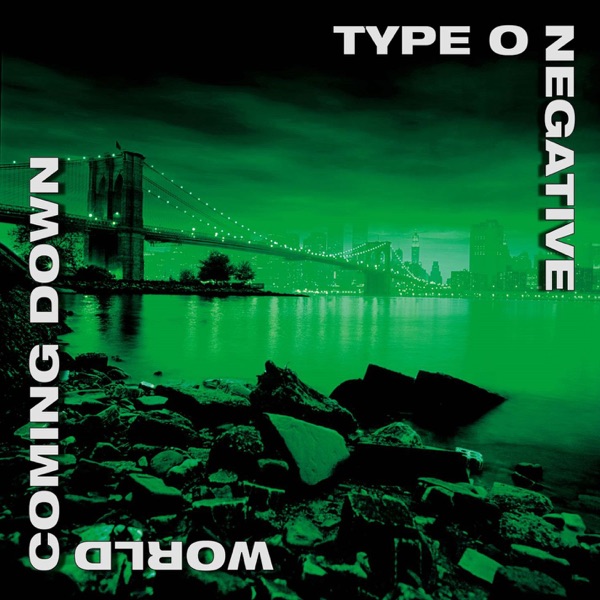 Type O Negative - World Coming Down

Join the Conversation
Share your thoughts about this album.
Please log in to add a comment.
No comments yet. Be the first to comment.