
Wild Is the Wind
by Nina Simone
Released: September 16, 1966
Jazz, blues, folk, R&B
Shop Nina Simone
Amazon affiliate linksWhy This Album Matters
This album matters because its strongest editorial story is: Chart Success.
The Album
"Wild Is the Wind" is the sixth studio album by American singer and pianist Nina Simone, released by Philips Records in 1966. Nina Simone first recorded "Black Is the Color of My True Love's Hair" in 1955 in Philadelphia with a strings arrangement, though it was not initially intended for release. In April 1964, Simone recorded the version that appears on Wild Is the Wind in a New York studio.
Interesting Facts
The album was compiled from several recordings left…
The album was compiled from several recordings left over from sessions in 1964 and 1965 for previous Philips albums.
In 2020, the album was ranked 212 on…
In 2020, the album was ranked 212 on Rolling Stone's list of the 500 Greatest Albums of All Time.
The song "Four Women" was released as a…
The song "Four Women" was released as a single and garnered attention when it was banned by the New York jazz-focused radio station WLIB due to concerns over its lyrics.
This version later appeared on the album Gifted…
This version later appeared on the album Gifted & Black in 1970.
For this recording, Simone requested minimal accompaniment, with…
For this recording, Simone requested minimal accompaniment, with just her piano and a bass drone.
Explore the Album
Nina Simone - Wild Is the Wind
Open in Albums Gallery
Reception
Wild Is the Wind was a Billboard magazine "special merit pick" upon its release, with the reviewer praising Simone for creating an exceptional romantic mood that offered top listening delight.
The Complete Album Story
"Wild Is the Wind" is the sixth studio album by American singer and pianist Nina Simone, released by Philips Records in 1966. The album was compiled from several recordings left over from sessions in 1964 and 1965 for previous Philips albums.
In 2020, the album was ranked 212 on Rolling Stone's list of the 500 Greatest Albums of All Time.
Wild Is the Wind was a Billboard magazine "special merit pick" upon its release, with the reviewer praising Simone for creating an exceptional romantic mood that offered top listening delight.
The song "Four Women" was released as a single and garnered attention when it was banned by the New York jazz-focused radio station WLIB due to concerns over its lyrics.
Nina Simone first recorded "Black Is the Color of My True Love's Hair" in 1955 in Philadelphia with a strings arrangement, though it was not initially intended for release. This version later appeared on the album Gifted & Black in 1970. In April 1964, Simone recorded the version that appears on Wild Is the Wind in a New York studio. For this recording, Simone requested minimal accompaniment, with just her piano and a bass drone. Lisle Atkinson, a member of Simone's band, noted that Simone preferred a simple approach with minimal complications and utilized his ability to play arco (bowed) bass extensively.
The title track, "Wild Is the Wind," was later covered by David Bowie on his 1976 album Station to Station.
"Lilac Wine" was covered by Jeff Buckley on his 1994 album Grace.
The album is included in Robert Dimery's 1001 Albums You Must Hear Before You Die. It was also ranked the fifth best album of the 1960s by Pitchfork and the eighth-greatest album of all time by Paste.
More Jazz Albums
 Paul Simon - Still Crazy After All These Years
 Blood, Sweat & Tears - New City
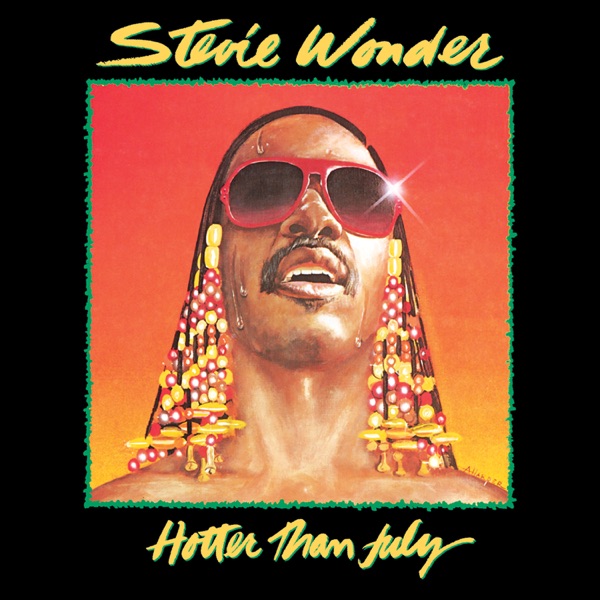 Stevie Wonder - Hotter than July
 V.S.O.P. (group) - Tempest in the Colosseum
 Pat Metheny - Side-Eye III+
 Captain Beyond - Sufficiently Breathless
 The Flock - Flock Rock – The Best of The Flock
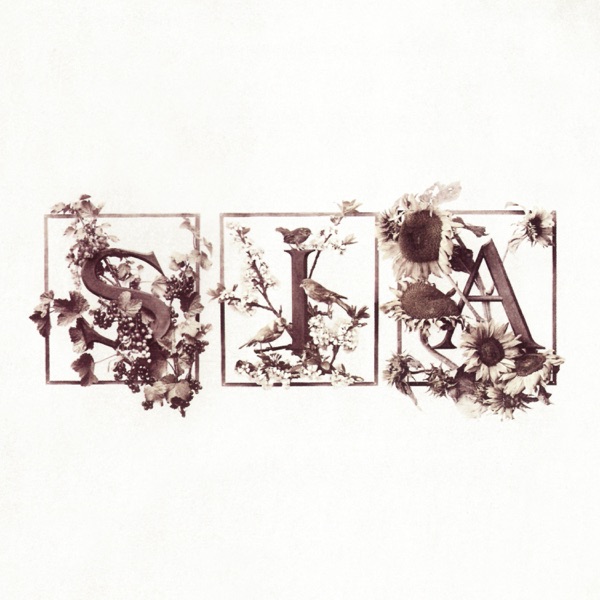 Sia - Colour the Small One
 George Michael - Older (George Michael album)
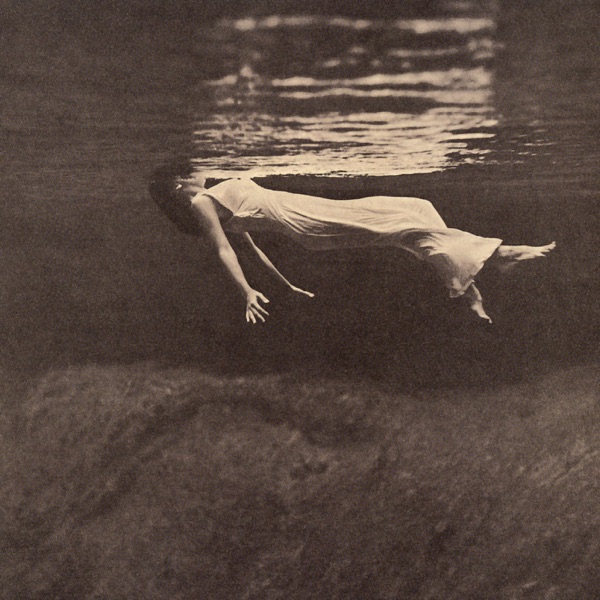 Bill Evans and Jim Hall - Undercurrent

Join the Conversation
Share your thoughts about this album.
Please log in to add a comment.
No comments yet. Be the first to comment.