
Volksbeat
by Nina Hagen
Released: November 11, 2011
Punk, rock
Shop Nina Hagen
Amazon affiliate linksThe Album
Hagen also played a significant role in the album’s artwork, working on collages created with her friends. The album continues the Jesus-oriented theme from her previous release, Personal Jesus, and tackles issues such as civil rights, anti-establishment, anti-war, and anti-nuclear power. Despite no major single releases, Volksbeat marked a return to rock for Hagen and was a deeply personal, political statement.
Inside the Recording
In 2011, Hagen announced she was working on a "German language rock-album, very political, very personal, also spiritual," produced by Peter Schmidt and Peter Hinthertür. Another notable track is "Killer," a cover of the 1990s song by English producer Adamski and Seal. She later performed the song in English and had it remixed by Adamski, releasing the remixed version as No Killer Animals.
Interesting Facts
"Volksbeat" is the thirteenth solo (and fifteenth overall)…
"Volksbeat" is the thirteenth solo (and fifteenth overall) studio album by Nina Hagen, released on November 11, 2011, by Koch Universal.
It marks the first all-German album by Hagen…
It marks the first all-German album by Hagen since FreuD Euch in 1995 and features a mix of covers and original tracks.
The album was initially scheduled for release in…
The album was initially scheduled for release in mid-October but was delayed to November 11.
Musically, Volksbeat has been described as a return…
Musically, Volksbeat has been described as a return to rock music.
The album’s title, which translates to "folk beat,"…
The album’s title, which translates to "folk beat," reflects Hagen’s idea that "the heartbeat of a people, the rhythm of a nation, compose its songs." Hagen explained that the album’s themes were rooted in ideas of love, peace, and freedom.
Explore the Album
Nina Hagen - Volksbeat
Open in Albums Gallery
The Complete Album Story
"Volksbeat" is the thirteenth solo (and fifteenth overall) studio album by Nina Hagen, released on November 11, 2011, by Koch Universal. It marks the first all-German album by Hagen since FreuD Euch in 1995 and features a mix of covers and original tracks.
In 2011, Hagen announced she was working on a "German language rock-album, very political, very personal, also spiritual," produced by Peter Schmidt and Peter Hinthertür. The album was initially scheduled for release in mid-October but was delayed to November 11.
Musically, Volksbeat has been described as a return to rock music. The album’s title, which translates to "folk beat," reflects Hagen’s idea that "the heartbeat of a people, the rhythm of a nation, compose its songs." Hagen explained that the album’s themes were rooted in ideas of love, peace, and freedom. She referenced figures like Patti Smith and John Lennon, whose slogans of "Power to the People" and "We are the people" inspired the message of the album. Hagen believed that these ideals could be reclaimed through love and music.
Hagen also played a significant role in the album’s artwork, working on collages created with her friends. The album cover features elements like flowers, peace doves, and religious imagery, all intended to emphasize themes of peace and love.
The album continues the Jesus-oriented theme from her previous release, Personal Jesus, and tackles issues such as civil rights, anti-establishment, anti-war, and anti-nuclear power. Hagen explained that Volksbeat was an attempt to bring relevance to the struggles for peace, love, compassion, and freedom, drawing from the songs of artists who fought for similar ideals.
The album includes ten cover songs and five original tracks. The covers are mostly translated into German by Hagen, and she described the experience of reworking these songs as "a funtastik experience." Hagen expressed that she was influenced by '70s protest music, recognizing that many of the songs from that era still hold relevance today.
The first track, "Bitten der Kinder & An meine Landsleute," is a cover of two songs by Bertolt Brecht. The track reflects Hagen's political message, calling for truth, peace, and disarmament. It is described as a "battle-cry" and a plea for the respect of human rights. The songs, which are children’s prayers for peace, were given a new arrangement by Hagen.
Another notable track is "Killer," a cover of the 1990s song by English producer Adamski and Seal. Hagen had previously worked with Adamski on her 1991 album Street. She later performed the song in English and had it remixed by Adamski, releasing the remixed version as No Killer Animals.
"Soma Koma," one of the original tracks, was inspired by the dystopian visions of George Orwell and Aldous Huxley. The song critiques the potential future of a world where humans are genetically manipulated and controlled, and warns of the dangers of such a future if society doesn't unite and inform itself.
Volksbeat was officially released on November 11, 2011. Hagen immediately began a promotional tour in Germany and France following the album’s release. While no singles were officially released from the album, the English-language version of "Killer," remixed by Adamski and retitled "No Killer Animals," received an animated music video.
The album’s themes of peace, love, and civil rights resonated with fans, and the promotional efforts included a website with a sampler of tracks to give listeners a taste of what was to come. Despite no major single releases, Volksbeat marked a return to rock for Hagen and was a deeply personal, political statement.
More Punk Albums
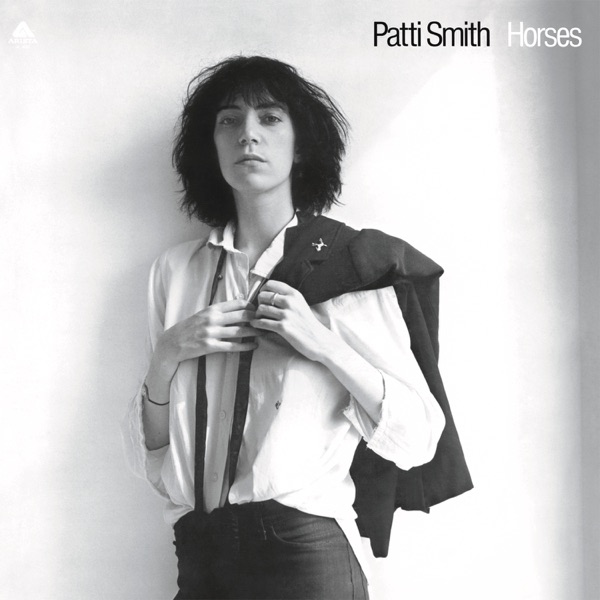 Patti Smith - Horses
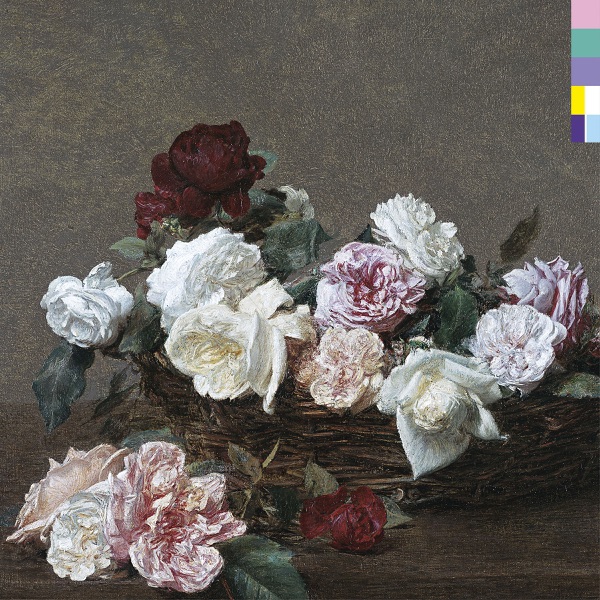 New Order - Power, Corruption & Lies
 Half Man Half Biscuit - Back in the DHSS
 Manic Street Preachers - Journal for Plague Lovers
 Pere Ubu - Song of the Bailing Man
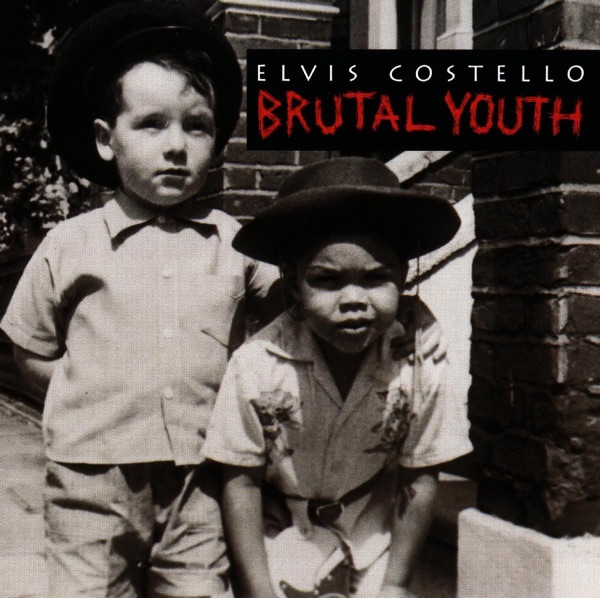 Elvis Costello - Brutal Youth
 Siouxsie and the Banshees - Nocturne
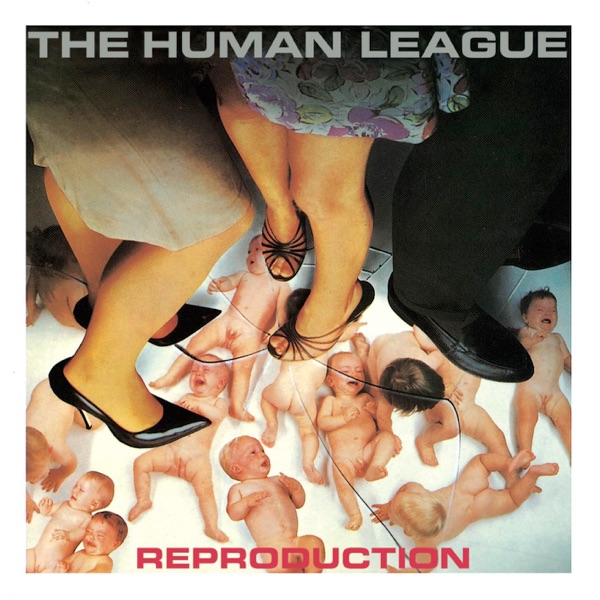 The Human League - Reproduction

Join the Conversation
Share your thoughts about this album.
Please log in to add a comment.
No comments yet. Be the first to comment.