
Bomber (album)
by Motörhead
Released: October 12, 1979
Heavy metal, hard rock, speed metal
Shop Motörhead
Amazon affiliate linksWhy This Album Matters
This album matters because its strongest editorial story is: Genre Shift.
The Album
After a shelved album for United Artists, they released their debut LP in 1977 and hit their stride with 1979's Overkill, which reached the UK Top 40. "Bomber" is the third studio album by English rock band Motörhead, released on October 12, 1979, by Bronze Records. The recording took place at Roundhouse Recording Studios in London and Olympic Studios.
Inside the Recording
The band returned to the studio that summer with producer Jimmy Miller to record Bomber, but they missed the opportunity to test the new songs live first.
Interesting Facts
Lemmy described Bomber as a "transitional record," acknowledging…
Lemmy described Bomber as a "transitional record," acknowledging some weaker tracks.
It was their second album with the label
It was their second album with the label.
By 1979, Motörhead had built a loyal following…
By 1979, Motörhead had built a loyal following in both punk and heavy metal scenes.
During the recording, Miller struggled with heroin addiction…
During the recording, Miller struggled with heroin addiction, which affected the sessions.
The album features Lemmy's sharp lyrics addressing various…
The album features Lemmy's sharp lyrics addressing various themes, including the police, marriage, and show business.
Explore the Album
Motörhead - Bomber (album)
Open in Albums Gallery
Reception
The album features the band's first anti-heroin song, "Dead Men Tell No Tales." Despite challenges, Bomber peaked at No. 12 on the UK albums chart. The single "Bomber" entered the UK singles charts on December 1, 1979, shortly after the album's release.
The Complete Album Story
"Bomber" is the third studio album by English rock band Motörhead, released on October 12, 1979, by Bronze Records. It was their second album with the label.
By 1979, Motörhead had built a loyal following in both punk and heavy metal scenes. After a shelved album for United Artists, they released their debut LP in 1977 and hit their stride with 1979's Overkill, which reached the UK Top 40. The band returned to the studio that summer with producer Jimmy Miller to record Bomber, but they missed the opportunity to test the new songs live first.
During the recording, Miller struggled with heroin addiction, which affected the sessions. The album features the band's first anti-heroin song, "Dead Men Tell No Tales." Despite challenges, Bomber peaked at No. 12 on the UK albums chart.
The recording took place at Roundhouse Recording Studios in London and Olympic Studios. The album features Lemmy's sharp lyrics addressing various themes, including the police, marriage, and show business. This was the first album to feature a band photo on the cover, showing all three members in a bomber plane. The title track was inspired by Len Deighton's novel Bomber.
Artwork for the album was illustrated by Adrian Chesterman, featuring the band in a Heinkel 111 bomber during the Blitz. Lemmy's fascination with military history influenced the choice of plane. Chesterman aimed for a photo-realistic effect and used a model to achieve the desired lighting.
The single "Bomber" entered the UK singles charts on December 1, 1979, shortly after the album's release. The album was also initially pressed on blue vinyl. Following the album, the Bomber Tour featured a 40-foot lighting rig designed as a bomber, moving across the stage.
Lemmy described Bomber as a "transitional record," acknowledging some weaker tracks. Clarke noted that the album didn't feel complete compared to their next release, Ace of Spades.
More Heavy metal Albums
 Judas Priest - Sad Wings of Destiny
 Kiss - Psycho Circus
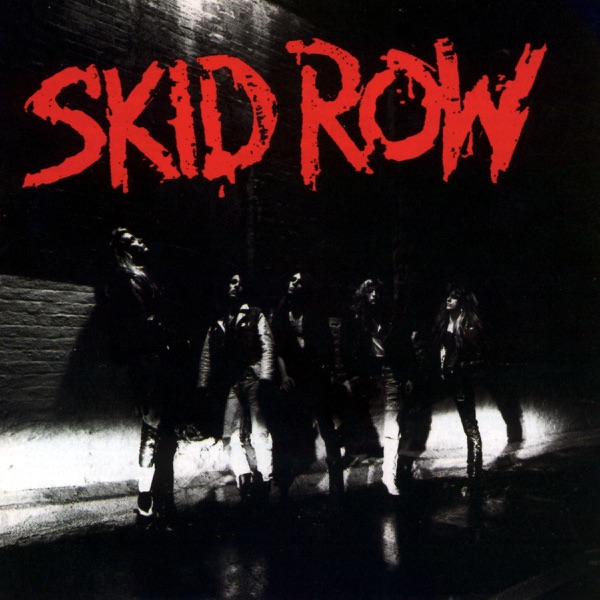 Skid Row - Skid Row album
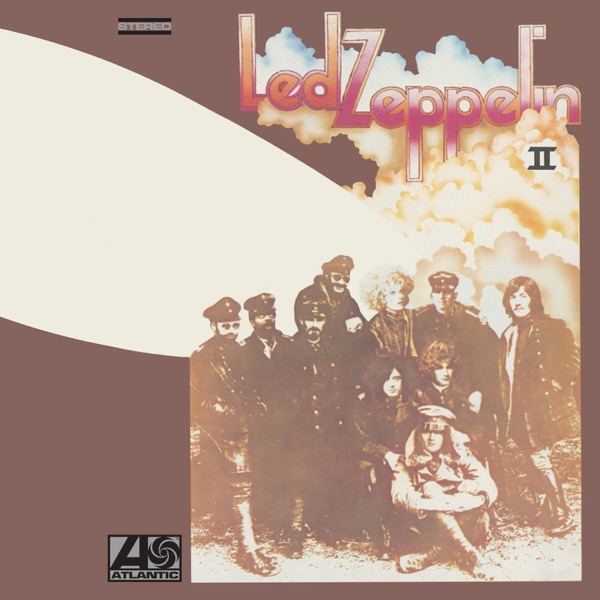 Led Zeppelin - Presence (album)
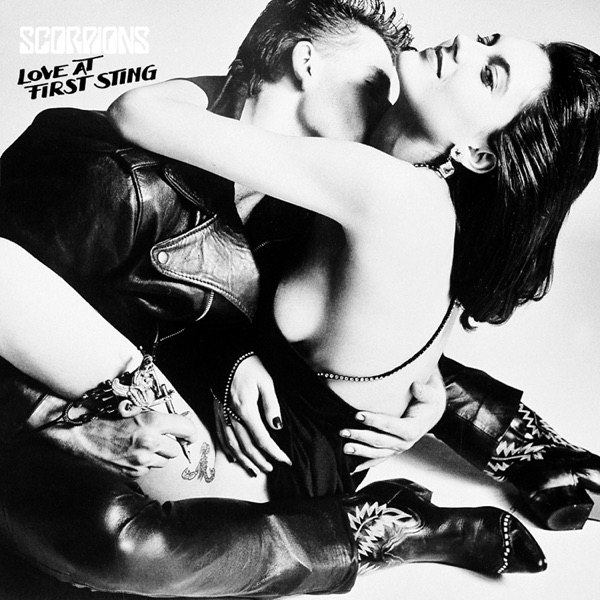 Scorpions - Love at First Sting
 Black Sabbath - Technical Ecstasy
 Toto - Kingdom of Desire
 Megadeth - The World Needs a Hero
 Weezer - SZNZ: Summer
 Blue Öyster Cult - The Symbol Remains
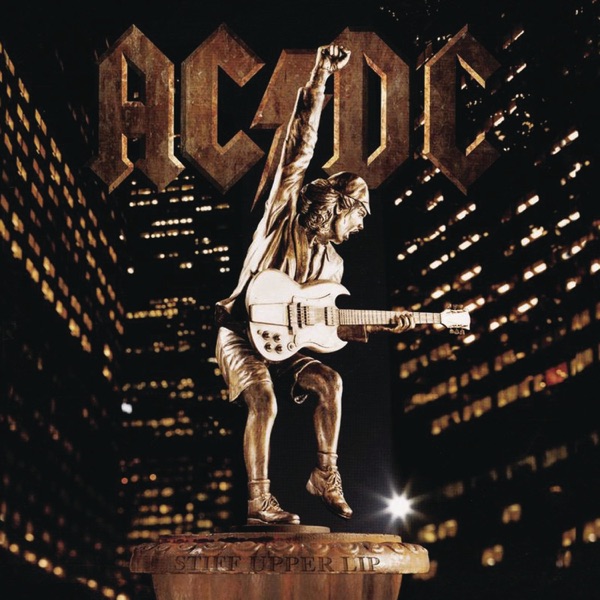 AC/DC - Stiff Upper Lip

Join the Conversation
Share your thoughts about this album.
Please log in to add a comment.
No comments yet. Be the first to comment.