
Quiet Nights
by Miles Davis
Released: December 16, 1963
Jazz, third stream, bossa nova
Shop Miles Davis
Amazon affiliate linksWhy This Album Matters
This album matters because its strongest editorial story is: Improvisation.
The Album
Quiet Nights is a studio album by renowned jazz musician Miles Davis, in collaboration with orchestrator Gil Evans. The album was not without its controversies. In regards to the collaboration with Gil Evans, "Quiet Nights" was the fourth and final album in the series of the pair's noteworthy collaborations.
Inside the Recording
Davis, by his own accounts, was not satisfied with the record, asserting that producer Teo Macero had prematurely ended the recording sessions, leading to an abbreviated album.
Interesting Facts
These collaborations were an innovative mixture of jazz…
These collaborations were an innovative mixture of jazz improvisations and symphonic orchestration which began with "Miles Ahead" in 1957 and included "Porgy and Bess" and "Sketches of Spain." "Quiet Nights" includes seven tracks, three of which are original compositions by Davis and Evans; the title track, by bossa nova legend Antonio Carlos Jobim, is a highlight of the album.
Released in 1963, the album represents a seminal…
Released in 1963, the album represents a seminal piece of bossa nova, a style of music that was growing rapidly in popularity during the time of its production.
Explore the Album
Miles Davis - Quiet Nights
Open in Albums Gallery
Reception
Despite this, Quiet Nights received good critical reception, despite it being released in an era when bossa nova was generally overlooked in favour of the then-dominant rock-and-roll genre. Despite its short length of 27 minutes and criticized for its brevity, the album has stood the test of time as a significant contribution to the jazz and bossa nova genres.
The Complete Album Story
Quiet Nights is a studio album by renowned jazz musician Miles Davis, in collaboration with orchestrator Gil Evans. Released in 1963, the album represents a seminal piece of bossa nova, a style of music that was growing rapidly in popularity during the time of its production.
The album was not without its controversies. Davis, by his own accounts, was not satisfied with the record, asserting that producer Teo Macero had prematurely ended the recording sessions, leading to an abbreviated album. Despite this, Quiet Nights received good critical reception, despite it being released in an era when bossa nova was generally overlooked in favour of the then-dominant rock-and-roll genre.
In regards to the collaboration with Gil Evans, "Quiet Nights" was the fourth and final album in the series of the pair's noteworthy collaborations. These collaborations were an innovative mixture of jazz improvisations and symphonic orchestration which began with "Miles Ahead" in 1957 and included "Porgy and Bess" and "Sketches of Spain."
"Quiet Nights" includes seven tracks, three of which are original compositions by Davis and Evans; the title track, by bossa nova legend Antonio Carlos Jobim, is a highlight of the album. Despite its short length of 27 minutes and criticized for its brevity, the album has stood the test of time as a significant contribution to the jazz and bossa nova genres.
More Jazz Albums
 Billie Holiday - Lady Sings the Blues (album)
 Chicago - Chicago at Carnegie Hall
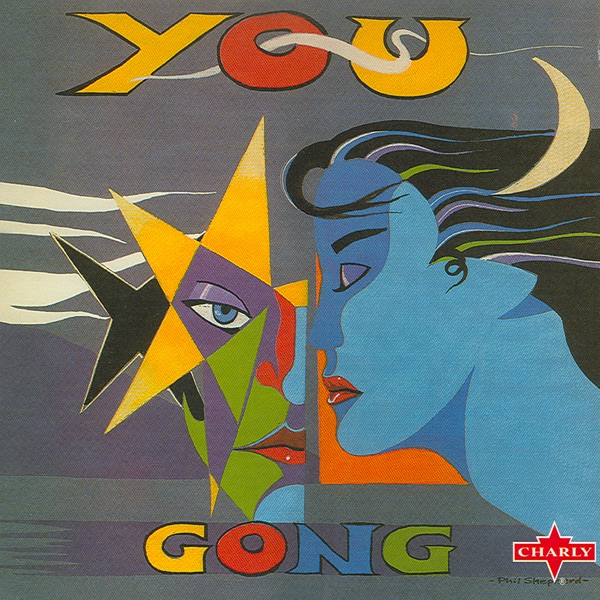 Gong - You (Gong album)
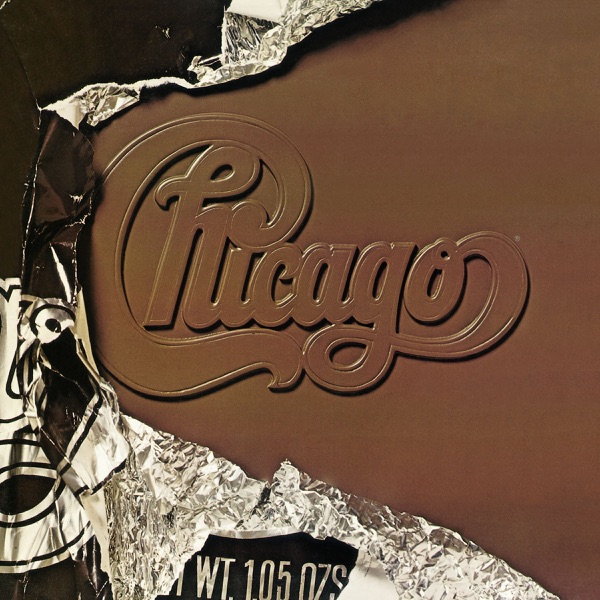 Chicago - Chicago X
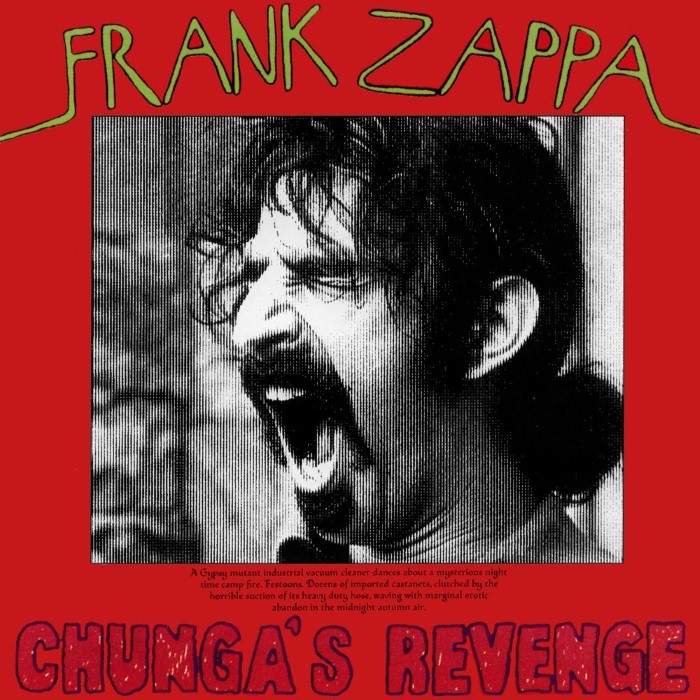 Frank Zappa - Chunga's Revenge
 Jacob Collier - In My Room (album)
 Sheryl Crow - Home for Christmas
 Manfred Mann's Earth - The Good Earth

Join the Conversation
Share your thoughts about this album.
Please log in to add a comment.
No comments yet. Be the first to comment.