
Blue Period
by Miles Davis
Released: December 24, 1953
Jazz
Shop Miles Davis
Amazon affiliate linksWhy This Album Matters
This album matters because its strongest editorial story is: Improvisation.
The Album
The title "Blue Period" seems to have a dual symbolism: referring to both Davis's explorations of the blues and perhaps a tacit acknowledgment of his personal struggles during this time of his life, symbolizing a phase generally marked by struggle and resilience. "Blue Period" is a Studio Album by the celebrated jazz musician Miles Davis. Released in 1953, it is often renowned for its entirety embodied in the cool jazz, hard bop, and modal jazz genres.
Interesting Facts
The album carries a significant milestone of Davis's…
The album carries a significant milestone of Davis's early career, coinciding with his experiments in breaking away from traditional jazz and employing new forms of improvisation.
The album consists of three tracks called "Bluing,"…
The album consists of three tracks called "Bluing," "Out of the Blue," and "Blue Room." Each composition is imbued with its own unique character within Davis's developing style, interweaving his extraordinary approaches to melody and harmony with his skilled technique.
The musicians featured on the album alongside Davis…
The musicians featured on the album alongside Davis are Jackie McLean on alto saxophone, Oscar Pettiford on bass, Art Blakey on drums, and Jay Jay Johnson on trombone.
The group's collective output, with Davis's brilliant trumpet…
The group's collective output, with Davis's brilliant trumpet lead, resulted in a significant entry to the genre hallmarks.
Overall, "Blue Period" reflects an early but essential…
Overall, "Blue Period" reflects an early but essential phase in Miles Davis' prolific career, offering insights into both his individual style and the broader development of modern jazz.
Essential Tracks
Bluing
The album consists of three tracks called "Bluing," "Out of the Blue," and "Blue Room." Each composition is imbued with its own unique character within Davis's developing style, interweaving his extraordinary approaches to melody and harmony with his skilled technique.
Blue Room
The album consists of three tracks called "Bluing," "Out of the Blue," and "Blue Room." Each composition is imbued with its own unique character within Davis's developing style, interweaving his extraordinary approaches to melody and harmony with his skilled technique.
Out of the Blue
The album consists of three tracks called "Bluing," "Out of the Blue," and "Blue Room." Each composition is imbued with its own unique character within Davis's developing style, interweaving his extraordinary approaches to melody and harmony with his skilled technique.
Explore the Album
Miles Davis - Blue Period
Open in Albums Gallery
The Complete Album Story
"Blue Period" is a Studio Album by the celebrated jazz musician Miles Davis. Released in 1953, it is often renowned for its entirety embodied in the cool jazz, hard bop, and modal jazz genres. The album carries a significant milestone of Davis's early career, coinciding with his experiments in breaking away from traditional jazz and employing new forms of improvisation.
The album consists of three tracks called "Bluing," "Out of the Blue," and "Blue Room." Each composition is imbued with its own unique character within Davis's developing style, interweaving his extraordinary approaches to melody and harmony with his skilled technique.
The title "Blue Period" seems to have a dual symbolism: referring to both Davis's explorations of the blues and perhaps a tacit acknowledgment of his personal struggles during this time of his life, symbolizing a phase generally marked by struggle and resilience.
The musicians featured on the album alongside Davis are Jackie McLean on alto saxophone, Oscar Pettiford on bass, Art Blakey on drums, and Jay Jay Johnson on trombone. The group's collective output, with Davis's brilliant trumpet lead, resulted in a significant entry to the genre hallmarks.
Overall, "Blue Period" reflects an early but essential phase in Miles Davis' prolific career, offering insights into both his individual style and the broader development of modern jazz.
More Jazz Albums
 Nina Simone - High Priestess of Soul
 Amy Winehouse - Amy Winehouse at the BBC
 Frank Zappa - Buffalo (Frank Zappa album)
 Brand X - Do They Hurt?
 V.S.O.P. (group) - Tempest in the Colosseum
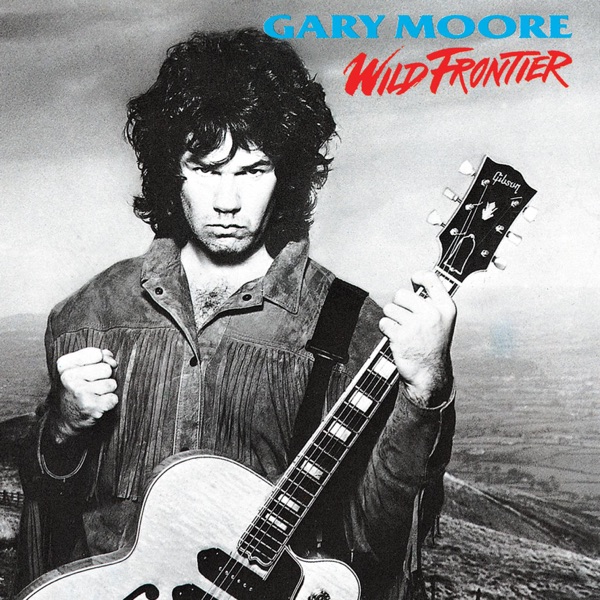 Gary Moore - Wild Frontier
 Macy Gray - Stripped
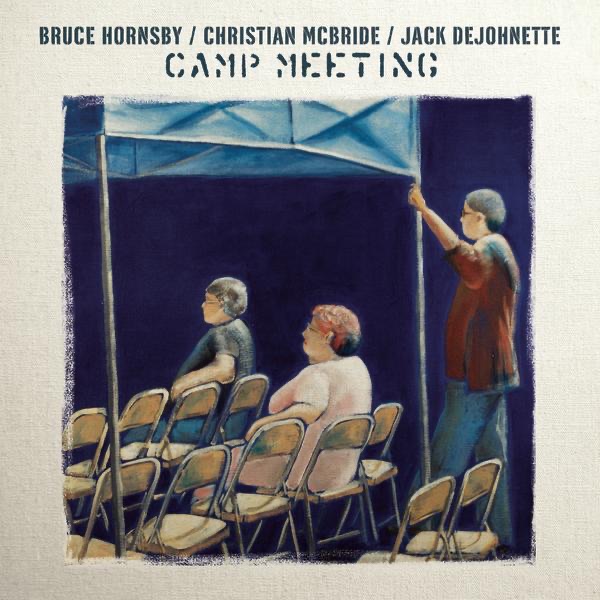 Bruce Hornsby - Camp Meeting
 Chicago - Chicago Transit Authority (album)
 Jeff Beck - Blow by Blow

Join the Conversation
Share your thoughts about this album.
Please log in to add a comment.
No comments yet. Be the first to comment.