
Hergest Ridge
by Mike Oldfield
Released: August 30, 1974
Progressive rock
Shop Mike Oldfield
Amazon affiliate linksWhy This Album Matters
This album matters because its strongest editorial story is: Breakthrough.
The Album
"Hergest Ridge" is the second studio album by multi-instrumentalist Mike Oldfield. This album marks a departure from his debut, with Oldfield shifting to a softer pastoral style and heavily utilizing layered guitars and the orchestration conducted by David Bedford. The composition's non-repetitive nature, coupled with progressive rock elements, offers listeners a unique auditory experience.
Inside the Recording
It was committed to record primarily in The Manor, Oxfordshire, with sections recorded at Morgan Studios, London.
Interesting Facts
The original vinyl pressings were presented in a…
The original vinyl pressings were presented in a box with a color book depicting rural scenes.
Over the years, "Hergest Ridge" grew into an…
Over the years, "Hergest Ridge" grew into an iconic record, boosting Oldfield's reputation as one of the pioneering figures in progressive rock music.
It's a fine blend of instrumental suites and…
It's a fine blend of instrumental suites and showcases Oldfield's ability to creatively use instruments to craft a unique musical narrative.
Explore the Album
Mike Oldfield - Hergest Ridge
Open in Albums Gallery
Reception
Released on 28 August 1974, this album swiftly obtained commercial success, taking the UK number one spot from Oldfield's prior record, "Tubular Bells." The album is a two-part instrumental suite and was named after the Hergest Ridge hill, a location in the Herefordshire/Welsh border, a region where Oldfield resided during its creation. It was also the inaugural Quadraphonic album to top the UK albums chart; it utilizes SQ matrix quadraphonic encoding to enhance listeners' experiences.
Legacy
In 2010, Oldfield re-released a re-recorded version of the album in his compilation box set and although the album did not reach the original version's extreme heights, it continued to add to his musical legacy.
The Complete Album Story
"Hergest Ridge" is the second studio album by multi-instrumentalist Mike Oldfield. Released on 28 August 1974, this album swiftly obtained commercial success, taking the UK number one spot from Oldfield's prior record, "Tubular Bells." The album is a two-part instrumental suite and was named after the Hergest Ridge hill, a location in the Herefordshire/Welsh border, a region where Oldfield resided during its creation.
This album marks a departure from his debut, with Oldfield shifting to a softer pastoral style and heavily utilizing layered guitars and the orchestration conducted by David Bedford. The composition's non-repetitive nature, coupled with progressive rock elements, offers listeners a unique auditory experience. It was committed to record primarily in The Manor, Oxfordshire, with sections recorded at Morgan Studios, London.
The original vinyl pressings were presented in a box with a color book depicting rural scenes. It was also the inaugural Quadraphonic album to top the UK albums chart; it utilizes SQ matrix quadraphonic encoding to enhance listeners' experiences.
In 2010, Oldfield re-released a re-recorded version of the album in his compilation box set and although the album did not reach the original version's extreme heights, it continued to add to his musical legacy.
Over the years, "Hergest Ridge" grew into an iconic record, boosting Oldfield's reputation as one of the pioneering figures in progressive rock music. It's a fine blend of instrumental suites and showcases Oldfield's ability to creatively use instruments to craft a unique musical narrative.
More Progressive rock Albums
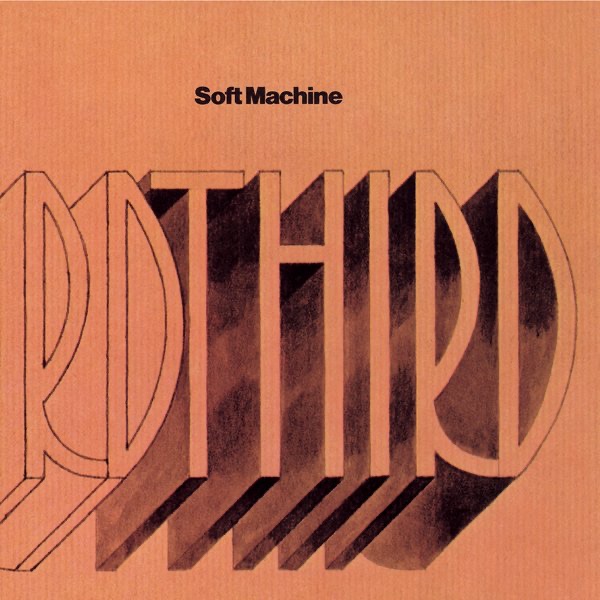 Soft Machine - Third
 Supertramp - Brother Where You Bound
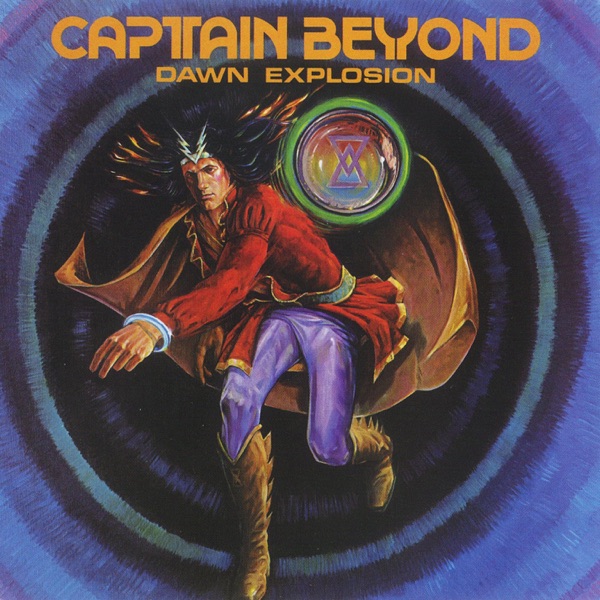 Captain Beyond - Dawn Explosion
 Jethro Tull - The Very Best Of (Jethro Tull album)
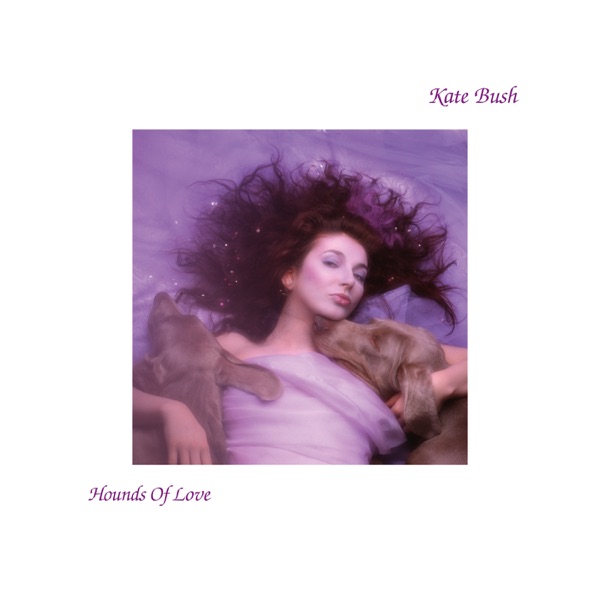 Kate Bush - Hounds of Love
 Family - It's Only a Movie
 Peter Gabriel - Peter Gabriel Revisited
 Captain Beyond - Sufficiently Breathless
 Camel - Camel

Join the Conversation
Share your thoughts about this album.
Please log in to add a comment.
No comments yet. Be the first to comment.