
Houdini
by Melvins
Released: September 21, 1993
Sludge metal, grunge, doom metal
Shop Melvins
Amazon affiliate linksWhy This Album Matters
This album matters because its strongest editorial story is: Experimental Album.
The Album
Their contract ensured total creative control, allowing them to record without label interference and preventing Atlantic from shelving their work if unsatisfied. "Houdini" is the fifth studio album by the American rock band Melvins, released on September 21, 1993, by Atlantic Records. Kurt Cobain of Nirvana contributed to the album, receiving co-production credit on six tracks, and he also played guitar on "Sky Pup" and provided percussion on "Spread Eagle Beagle." Houdini is often praised for its heavy sound and experimental approach, solidifying Melvins' influence in the alternative and grunge scenes.
Inside the Recording
Kurt Cobain was brought in as a producer at the suggestion of an A&R representative at Atlantic, but his actual involvement is debated. Andrew Earles noted that Cobain allegedly slept through much of the recording sessions. Jonathan Burnside, who worked with the band as an engineer, recalled the chaotic environment surrounding the album, citing issues like poor communication, drug use, and the pressures of major label expectations.
Interesting Facts
Houdini was the first of three albums they…
Houdini was the first of three albums they recorded for the label.
"Night Goat" is a partial re-recording of a…
"Night Goat" is a partial re-recording of a song previously released as a single in 1992.
This marked the band's major label debut after…
This marked the band's major label debut after their previous albums had been released through Boner Records.
The album features a cover of the 1974…
The album features a cover of the 1974 Kiss song "Goin' Blind." Notable tracks like "Hooch," "Lizzy," and "Honey Bucket" were released as singles, each accompanied by music videos that helped boost the album's visibility.
He acknowledged that the album's success was closely…
He acknowledged that the album's success was closely tied to the Nirvana wave, and he expressed disappointment over Cobain's declining state during production, stating that they ultimately parted ways due to his instability.
Essential Tracks
Night Goat
"Night Goat" is a partial re-recording of a song previously released as a single in 1992.
Goin' Blind
The album features a cover of the 1974 Kiss song "Goin' Blind." Notable tracks like "Hooch," "Lizzy," and "Honey Bucket" were released as singles, each accompanied by music videos that helped boost the album's visibility.
Honey Bucket
The album features a cover of the 1974 Kiss song "Goin' Blind." Notable tracks like "Hooch," "Lizzy," and "Honey Bucket" were released as singles, each accompanied by music videos that helped boost the album's visibility.
Sky Pup
Kurt Cobain of Nirvana contributed to the album, receiving co-production credit on six tracks, and he also played guitar on "Sky Pup" and provided percussion on "Spread Eagle Beagle." Houdini is often praised for its heavy sound and experimental approach, solidifying Melvins' influence in the alternative and grunge scenes.
Spread Eagle Beagle
Kurt Cobain of Nirvana contributed to the album, receiving co-production credit on six tracks, and he also played guitar on "Sky Pup" and provided percussion on "Spread Eagle Beagle." Houdini is often praised for its heavy sound and experimental approach, solidifying Melvins' influence in the alternative and grunge scenes.
Explore the Album
Melvins - Houdini
Open in Albums Gallery
Reception
Melvins were signed to Atlantic Records without a manager, thanks to label president Danny Goldberg, who was encouraged by Kurt Cobain. Buzz Osborne, Melvins' guitarist and vocalist, reflected on the experience, mentioning that although Houdini was their biggest-selling record, it was still modest in terms of commercial success.
The Complete Album Story
"Houdini" is the fifth studio album by the American rock band Melvins, released on September 21, 1993, by Atlantic Records. This marked the band's major label debut after their previous albums had been released through Boner Records.
The album features a cover of the 1974 Kiss song "Goin' Blind." Notable tracks like "Hooch," "Lizzy," and "Honey Bucket" were released as singles, each accompanied by music videos that helped boost the album's visibility. "Night Goat" is a partial re-recording of a song previously released as a single in 1992.
Kurt Cobain of Nirvana contributed to the album, receiving co-production credit on six tracks, and he also played guitar on "Sky Pup" and provided percussion on "Spread Eagle Beagle." Houdini is often praised for its heavy sound and experimental approach, solidifying Melvins' influence in the alternative and grunge scenes.
Melvins were signed to Atlantic Records without a manager, thanks to label president Danny Goldberg, who was encouraged by Kurt Cobain. Their contract ensured total creative control, allowing them to record without label interference and preventing Atlantic from shelving their work if unsatisfied. Houdini was the first of three albums they recorded for the label.
Kurt Cobain was brought in as a producer at the suggestion of an A&R representative at Atlantic, but his actual involvement is debated. Andrew Earles noted that Cobain allegedly slept through much of the recording sessions. Jonathan Burnside, who worked with the band as an engineer, recalled the chaotic environment surrounding the album, citing issues like poor communication, drug use, and the pressures of major label expectations.
Buzz Osborne, Melvins' guitarist and vocalist, reflected on the experience, mentioning that although Houdini was their biggest-selling record, it was still modest in terms of commercial success. He acknowledged that the album's success was closely tied to the Nirvana wave, and he expressed disappointment over Cobain's declining state during production, stating that they ultimately parted ways due to his instability.
In the album's credits, Lorax is listed as the bassist, but Osborne clarified that he and Dale Crover primarily handled the bass work. The cover art features an illustration by graphic designer Frank Kozik, adding to the album's distinctive visual identity.
More Sludge metal Albums
 Melvins - Hostile Ambient Takeover
 Converge - No Heroes
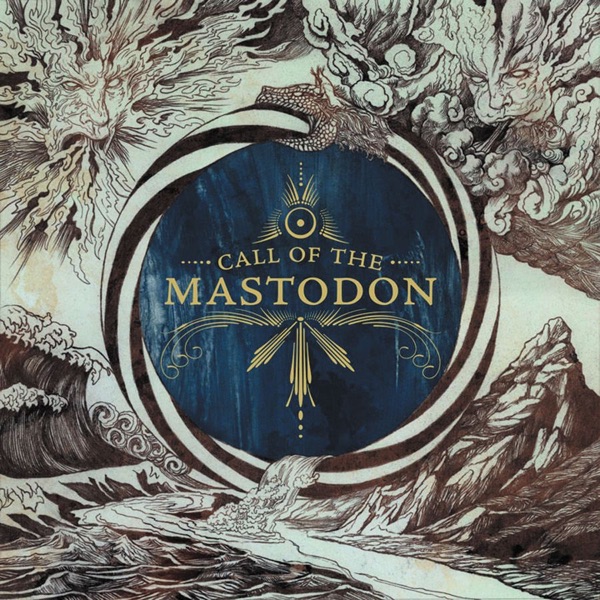 Mastodon - Call of the Mastodon
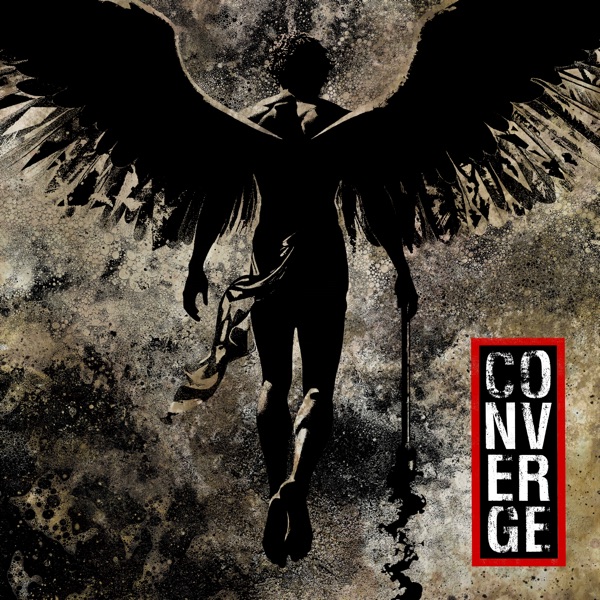 Converge - Love Is Not Enough
 Alice In Chains - The Devil Put Dinosaurs Here
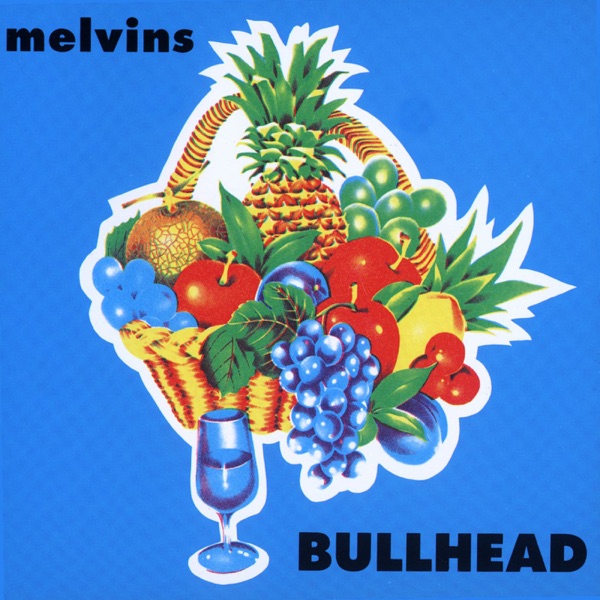 Melvins - Bullhead
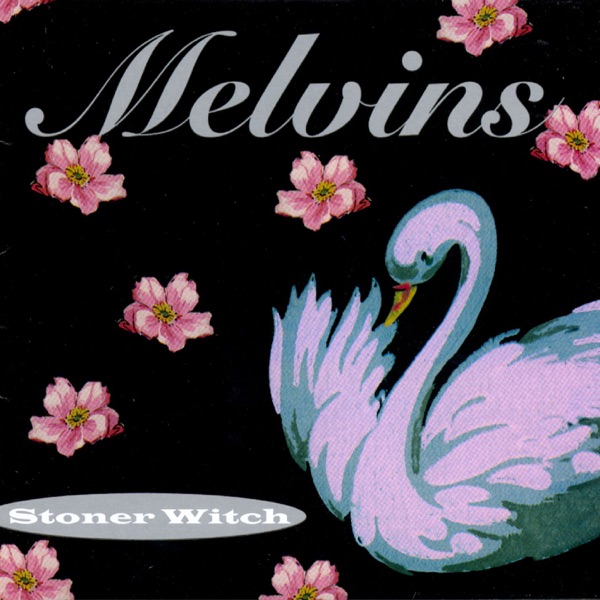 Melvins - Stoner Witch
 Melvins - Gluey Porch Treatments
 Nirvana - Bleach (Nirvana album)
 Mastodon - Medium Rarities (album)

Join the Conversation
Share your thoughts about this album.
Please log in to add a comment.
No comments yet. Be the first to comment.