
Brave
by Marillion
Released: February 07, 1994
Rock, progressive rock
Shop Marillion
Amazon affiliate linksWhy This Album Matters
This album matters because its strongest editorial story is: Genre Shift.
The Album
Through the course of the album, the story unfolds, revealing snippets of her troubled past, her struggle with personal demons, and her eventual descent into madness. The narrative of the album is complex and nuanced, revolving around a mysterious girl who is found wandering on a motorway, her personal history a mystery even to herself. "Brave" is the seventh studio album by British rock band Marillion, released in February 1994.
Inside the Recording
A significant amount of the album was recorded in the dark to help the band capture the profound emotional depth of the narrative.
Interesting Facts
The album marked a radical departure from Marillion's…
The album marked a radical departure from Marillion's previous works, as it ventured deep into the realm of progressive rock, a stylistic change that was heavily influenced by the band's then-new lead vocalist Steve Hogarth.
The songwriting for "Brave" was a collaborative effort…
The songwriting for "Brave" was a collaborative effort, with all of the band members receiving equal writing credits.
It was an ambitious concept album that tells…
It was an ambitious concept album that tells an intricate story of a young girl who is drawn into a world of darkness and despair.
Steve Hogarth later revealed that the concept of…
Steve Hogarth later revealed that the concept of the album was inspired by a real news story about a girl found wandering the Severn Bridge, but the band took a significant creative license in developing her story and interpreting her emotions through their music.
The sonic architecture of "Brave" also features highly…
The sonic architecture of "Brave" also features highly atmospheric soundscapes, making extensive use of the contrast between quiet, intimate sections and powerful, full-band climaxes.
Explore the Album
Marillion - Brave
Open in Albums Gallery
Reception
It reached the top 10 in the UK Albums Chart, showcasing the band's enduring popularity and their ability to successfully reinvent their sound. Despite its complex narrative and heavy subject matter, "Brave" was well received by critics and fans alike.
The Complete Album Story
"Brave" is the seventh studio album by British rock band Marillion, released in February 1994. It was an ambitious concept album that tells an intricate story of a young girl who is drawn into a world of darkness and despair.
The album marked a radical departure from Marillion's previous works, as it ventured deep into the realm of progressive rock, a stylistic change that was heavily influenced by the band's then-new lead vocalist Steve Hogarth. The songwriting for "Brave" was a collaborative effort, with all of the band members receiving equal writing credits.
The narrative of the album is complex and nuanced, revolving around a mysterious girl who is found wandering on a motorway, her personal history a mystery even to herself. Through the course of the album, the story unfolds, revealing snippets of her troubled past, her struggle with personal demons, and her eventual descent into madness.
Despite its complex narrative and heavy subject matter, "Brave" was well received by critics and fans alike. It reached the top 10 in the UK Albums Chart, showcasing the band's enduring popularity and their ability to successfully reinvent their sound.
Steve Hogarth later revealed that the concept of the album was inspired by a real news story about a girl found wandering the Severn Bridge, but the band took a significant creative license in developing her story and interpreting her emotions through their music. A significant amount of the album was recorded in the dark to help the band capture the profound emotional depth of the narrative.
The sonic architecture of "Brave" also features highly atmospheric soundscapes, making extensive use of the contrast between quiet, intimate sections and powerful, full-band climaxes. These dynamics serve to highlight the emotional intensity inherent in the subject matter of the album. Furthermore, the album's structure, which includes a number of reprised thematic elements, serves to further enhance the cohesion of the narrative.
The album concludes with two possible endings to the narrative – one positive and hopeful, and the other one tragic – reflecting the ambiguity and uncertainty central to the concept of "Brave."
In 1998, a full-length movie of the same name was released on VHS, directed by Richard Stanley, further exploring the themes present in the album's narrative.
More Rock Albums
 Tom Jones - Mr. Jones
 Pink Floyd - Wish You Were Here
 Kiss - Lick It Up
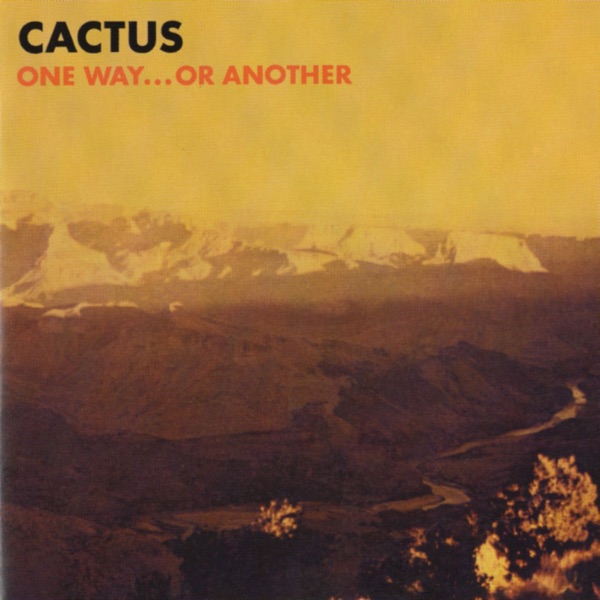 Cactus - One Way... or Another
 The Groundhogs - Black Diamond
 Iggy Pop - Party (Iggy Pop album)
 Blood, Sweat & Tears - Mirror Image
 Soft Machine - Softs (album)
 The Mission - Carved in Sand
 Crosby, Stills, Nash & Young - Déjà Vu
 George Harrison - Extra Texture (Read All About It)
 The Lightning Seeds - Dizzy Heights

Join the Conversation
Share your thoughts about this album.
Please log in to add a comment.
No comments yet. Be the first to comment.