
The Five Faces of Manfred Mann
by Manfred Mann
Released: September 11, 1964
R&B
Shop Manfred Mann
Amazon affiliate linksThe Album
"The Five Faces of Manfred Mann" is the debut British and second American studio album by the band Manfred Mann, first released in the United Kingdom on September 11, 1964, by His Master's Voice. It was subsequently released in Canada by Capitol Records in late October or early November. The Canadian version of the album closely mirrors the UK track listing but replaces "I've Got My Mojo Working" with the hit "Do Wah Diddy Diddy." The album has been praised as "one of the great blues-based British invasion albums," noted for its energetic rock sound and impressive musicianship.
Interesting Facts
The Five Faces of Manfred Mann features a…
The Five Faces of Manfred Mann features a collection of R&B tracks, including notable covers of Howlin' Wolf's "Smokestack Lightning," Muddy Waters' "Got My Mojo Working," and Bo Diddley's "Bring It to Jerome." The album also showcases some of the band's original jazzy compositions.
The instrumental sections highlight Manfred Mann's keyboard skills…
The instrumental sections highlight Manfred Mann's keyboard skills, Mike Vickers' flute and saxophone performances, and Mike Hugg's vibes.
Additionally, the album includes "Sack O' Woe" by…
Additionally, the album includes "Sack O' Woe" by Cannonball Adderley, reflecting the R&B-influenced early 1960s jazz style.
Bruce Eder of AllMusic praises the album for…
Bruce Eder of AllMusic praises the album for its enduring quality, noting that it holds up well even decades after its release.
He also points out that it stands out…
He also points out that it stands out as one of the longest LPs of its time, with a runtime of 39 minutes and no wasted notes or overly extended tracks among its 14 songs.
Essential Tracks
Smokestack Lightning
The Five Faces of Manfred Mann features a collection of R&B tracks, including notable covers of Howlin' Wolf's "Smokestack Lightning," Muddy Waters' "Got My Mojo Working," and Bo Diddley's "Bring It to Jerome." The album also showcases some of the band's original jazzy compositions.
I've Got My Mojo Working
The Canadian version of the album closely mirrors the UK track listing but replaces "I've Got My Mojo Working" with the hit "Do Wah Diddy Diddy." The album has been praised as "one of the great blues-based British invasion albums," noted for its energetic rock sound and impressive musicianship.
Bring It To Jerome
The Five Faces of Manfred Mann features a collection of R&B tracks, including notable covers of Howlin' Wolf's "Smokestack Lightning," Muddy Waters' "Got My Mojo Working," and Bo Diddley's "Bring It to Jerome." The album also showcases some of the band's original jazzy compositions.
Explore the Album
Manfred Mann - The Five Faces of Manfred Mann
Open in Albums Gallery
The Complete Album Story
"The Five Faces of Manfred Mann" is the debut British and second American studio album by the band Manfred Mann, first released in the United Kingdom on September 11, 1964, by His Master's Voice. It was subsequently released in Canada by Capitol Records in late October or early November. The Canadian version of the album closely mirrors the UK track listing but replaces "I've Got My Mojo Working" with the hit "Do Wah Diddy Diddy." The album has been praised as "one of the great blues-based British invasion albums," noted for its energetic rock sound and impressive musicianship.
The Five Faces of Manfred Mann features a collection of R&B tracks, including notable covers of Howlin' Wolf's "Smokestack Lightning," Muddy Waters' "Got My Mojo Working," and Bo Diddley's "Bring It to Jerome." The album also showcases some of the band's original jazzy compositions. The instrumental sections highlight Manfred Mann's keyboard skills, Mike Vickers' flute and saxophone performances, and Mike Hugg's vibes. Additionally, the album includes "Sack O' Woe" by Cannonball Adderley, reflecting the R&B-influenced early 1960s jazz style.
Bruce Eder of AllMusic praises the album for its enduring quality, noting that it holds up well even decades after its release. He also points out that it stands out as one of the longest LPs of its time, with a runtime of 39 minutes and no wasted notes or overly extended tracks among its 14 songs.
More R&B Albums
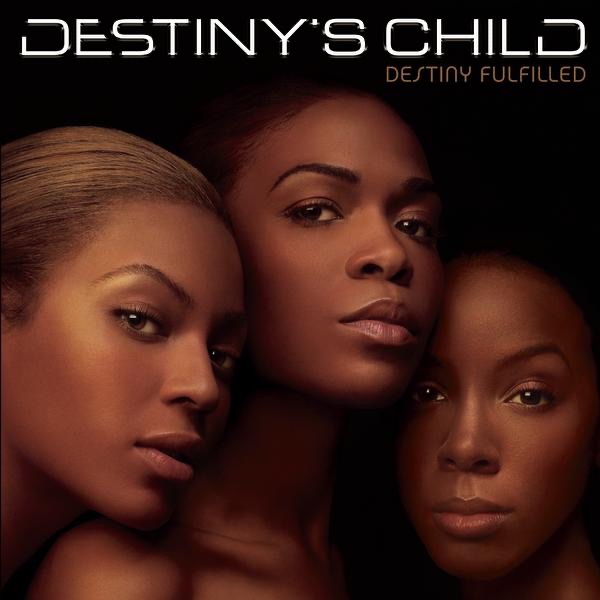 Destiny's Child - Destiny Fulfilled
 Snoop Dogg - Bible of Love
 Michael Jackson - Off the Wall
 Rihanna - Loud (Rihanna album)
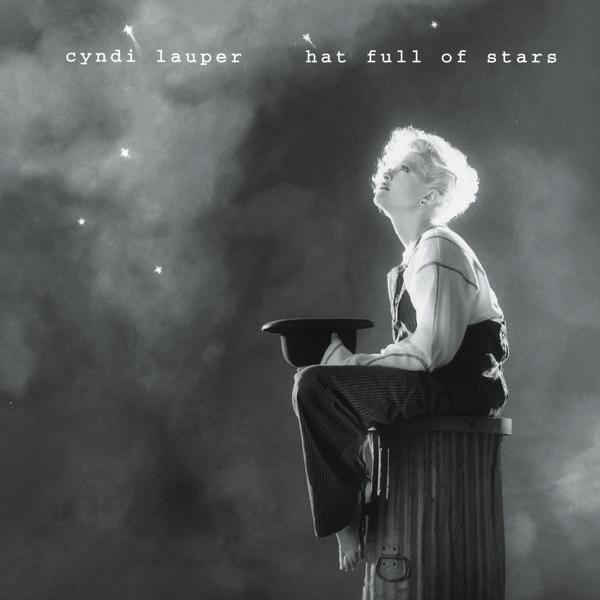 Cyndi Lauper - Hat Full of Stars
 Justin Timberlake - The 20/20 Experience – 2 of 2
 Britney Spears - Britney (album)
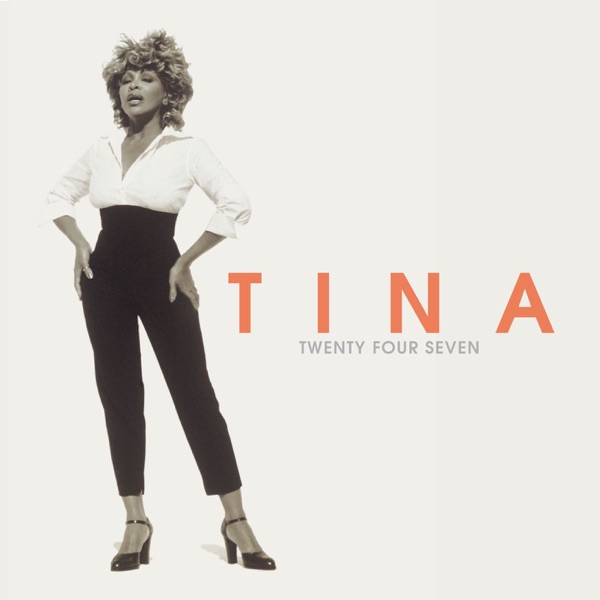 Tina Turner - Twenty Four Seven
 The Supremes - Reflections
 Morrissey - I Am Not a Dog on a Chain

Join the Conversation
Share your thoughts about this album.
Please log in to add a comment.
No comments yet. Be the first to comment.