
Rainbow
by Johnny Cash
Released: October 28, 1985
Country
Shop Johnny Cash
Amazon affiliate linksWhy This Album Matters
This album matters because its strongest editorial story is: Genre Shift.
The Album
The album features the single "I'm Leaving Now," which was later re-recorded for Cash's American III: Solitary Man. Its signature song is a cover of Kris Kristofferson's "Here Comes That Rainbow Again." This song also appeared on Cash's 1995 collaboration with Kristofferson, Willie Nelson, and Waylon Jennings in The Highwaymen project, though it was sung solo by Kristofferson there. After this album and a duet project with Jennings in 1986, Cash transitioned to Mercury Records due to Columbia's declining interest in his music, though he later returned to Columbia for the second Highwaymen album.
Interesting Facts
"Rainbow" is the 70th album by American country…
"Rainbow" is the 70th album by American country singer Johnny Cash, released in 1985 as his last for Columbia Records.
The album also includes a cover of Creedence…
The album also includes a cover of Creedence Clearwater Revival's "Have You Ever Seen the Rain?" and the song "Love Me Like You Used To," which became a hit for Tanya Tucker.
Explore the Album
Johnny Cash - Rainbow
Open in Albums Gallery
The Complete Album Story
"Rainbow" is the 70th album by American country singer Johnny Cash, released in 1985 as his last for Columbia Records. The album features the single "I'm Leaving Now," which was later re-recorded for Cash's American III: Solitary Man. Its signature song is a cover of Kris Kristofferson's "Here Comes That Rainbow Again." This song also appeared on Cash's 1995 collaboration with Kristofferson, Willie Nelson, and Waylon Jennings in The Highwaymen project, though it was sung solo by Kristofferson there. The album also includes a cover of Creedence Clearwater Revival's "Have You Ever Seen the Rain?" and the song "Love Me Like You Used To," which became a hit for Tanya Tucker. After this album and a duet project with Jennings in 1986, Cash transitioned to Mercury Records due to Columbia's declining interest in his music, though he later returned to Columbia for the second Highwaymen album.
More Country Albums
 Traveling Wilburys - Traveling Wilburys Vol. 1
 Elvis Costello - The Delivery Man (album)
 Dolly Parton - Dolly, Dolly, Dolly
 Dolly Parton - Hungry Again
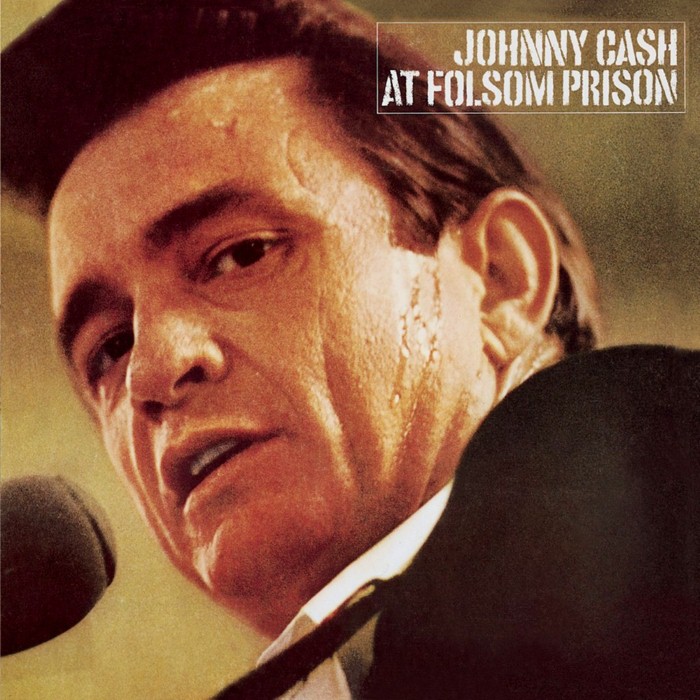 Johnny Cash - At Folsom Prison
 Dolly Parton - Here You Come Again
 Sheryl Crow - Sheryl Crow (album)
 Poco - Pickin' Up the Pieces
 The Lemonheads - Come on Feel the Lemonheads
 Elvis Presley - Today (Elvis Presley album)

Join the Conversation
Share your thoughts about this album.
Please log in to add a comment.
No comments yet. Be the first to comment.