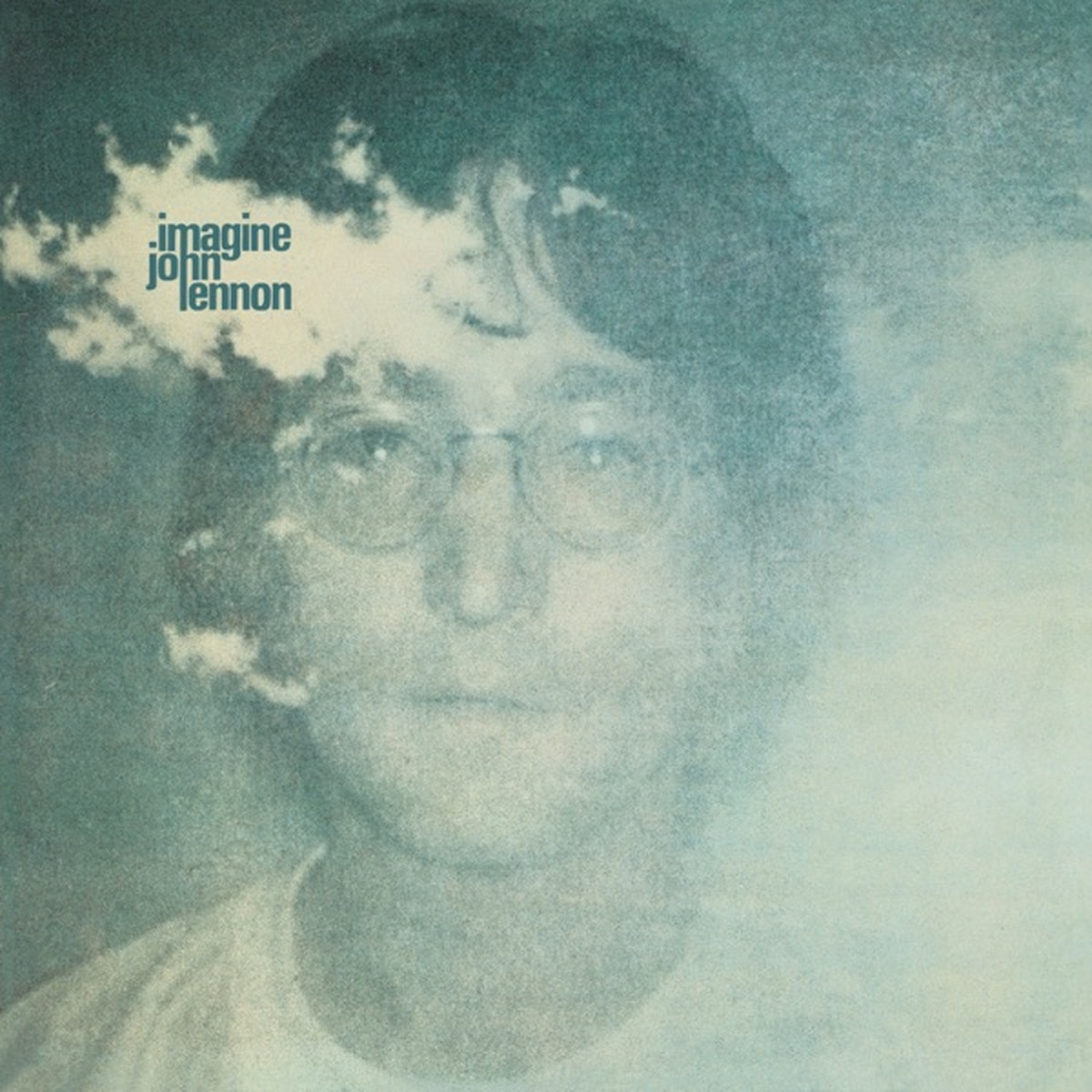
Imagine album
by John Lennon
Released: September 09, 1971
Rock
Shop John Lennon
Amazon affiliate linksWhy This Album Matters
The central hook is directly supported by first-hand testimony preserved on the official John Lennon site: Lennon states that “Jealous Guy” began as “Child of Nature,” that Yoko Ono, Phil Spector and others winced when he sang it, and that he decided to change it with Yoko’s help; Ono’s accompanying account independently describes urging him toward a more sensitive subject. ([johnlennon.com](https://www.johnlennon.com/music/singles/jealous-guy/?utm_source=openai)) MusicRadar corroborates the transformation and Lennon’s stated reaction-and-rewrite sequence. ([musicradar.com](https://www.musicradar.com/artists/i-sang-it-to-yoko-phil-spector-and-a-few-people-and-they-always-winced-i-decided-to-change-it-the-words-were-silly-anyway-how-john-lennon-created-one-of-his-greatest-post-beatles-songs-with-a-little-help-from-yoko?utm_source=openai)) The official Beatles site confirms the Maharishi lecture connection, the later reuse of the tune and the late-May 1968 Esher demo sessions; the official anniversary store lists “Child of Nature” among those demos. ([thebeatles.com](https://www.thebeatles.com/mother-natures-son?utm_source=openai)) The official Imagine Ultimate Collection notes that take 29 became the final version, while the documented session history supports the May 24 backing track, May 29 vocal and July 4 string overdub chronology. ([johnlennon.com](https://www.johnlennon.com/music/albums/imagine-the-ultimate-collection/?utm_source=openai))
The Album
This six-disc box set contains previously unreleased demos, rare studio outtakes, and "evolution documentaries" for each track, giving fans a comprehensive look into the creation of one of Lennon’s most iconic works. Despite this, the album retains Lennon's deeply personal and introspective lyrical style, exploring themes such as peace, love, political concerns, and personal conflicts. The album also features the biting track "How Do You Sleep?," a response to Paul McCartney following personal and professional tensions that arose between them after the Beatles' breakup.
Inside the Recording
Additionally, the 1988 documentary Imagine: John Lennon and the 2018 documentary John & Yoko: Above Us Only Sky provide further insight into the album's recording process and the personal circumstances surrounding its creation. Co-produced by Lennon, Yoko Ono, and Phil Spector, the album contrasts with the raw, minimalistic sound of Lennon's previous work, John Lennon/Plastic Ono Band (1970). Recording sessions for the album took place from early to mid-1971, at Ascot Sound Studios (Lennon's home studio), EMI Recording Studios in London, and the Record Plant in New York City.
Interesting Facts
It calls for a world without divisions, materialism…
It calls for a world without divisions, materialism, or conflict, reflecting Lennon’s idealistic vision.
"Imagine" is the second solo studio album by…
"Imagine" is the second solo studio album by John Lennon, released on 9 September 1971 through Apple Records.
Instead, Imagine features a more elaborate and lush…
Instead, Imagine features a more elaborate and lush production, aligning with Spector’s signature "Wall of Sound" approach.
The song's universal appeal helped it become one…
The song's universal appeal helped it become one of the most famous tracks in pop history.
A range of prominent musicians participated in the…
A range of prominent musicians participated in the sessions, including George Harrison (Lennon's former Beatles bandmate), keyboardist Nicky Hopkins, bassist Klaus Voormann, and drummers Alan White and Jim Keltner.
Explore the Album
John Lennon - Imagine album
Open in Albums Gallery
Reception
The lyrics take aim at McCartney, who had also released songs perceived as critical of Lennon. Imagine was both a critical and commercial triumph, reaching number one on both the UK Albums Chart and the US Billboard 200.
Legacy
The opening and title track, "Imagine," is widely regarded as Lennon's signature song and is often cited as an anthem of peace and unity. The album's legacy endures, with numerous reissues and remasterings, including the 2018 release of The Ultimate Collection.
The Complete Album Story
"Imagine" is the second solo studio album by John Lennon, released on 9 September 1971 through Apple Records. Co-produced by Lennon, Yoko Ono, and Phil Spector, the album contrasts with the raw, minimalistic sound of Lennon's previous work, John Lennon/Plastic Ono Band (1970). Instead, Imagine features a more elaborate and lush production, aligning with Spector’s signature "Wall of Sound" approach. Despite this, the album retains Lennon's deeply personal and introspective lyrical style, exploring themes such as peace, love, political concerns, and personal conflicts.
The opening and title track, "Imagine," is widely regarded as Lennon's signature song and is often cited as an anthem of peace and unity. It calls for a world without divisions, materialism, or conflict, reflecting Lennon’s idealistic vision. The song's universal appeal helped it become one of the most famous tracks in pop history.
Recording sessions for the album took place from early to mid-1971, at Ascot Sound Studios (Lennon's home studio), EMI Recording Studios in London, and the Record Plant in New York City. A range of prominent musicians participated in the sessions, including George Harrison (Lennon's former Beatles bandmate), keyboardist Nicky Hopkins, bassist Klaus Voormann, and drummers Alan White and Jim Keltner. The album showcases a blend of rock, pop, and more experimental elements, underscored by both Lennon’s thoughtful lyricism and his evolving musical sensibilities.
The album also features the biting track "How Do You Sleep?," a response to Paul McCartney following personal and professional tensions that arose between them after the Beatles' breakup. The lyrics take aim at McCartney, who had also released songs perceived as critical of Lennon. Despite its hostility, "How Do You Sleep?" is an example of Lennon’s brutally honest and self-reflective songwriting style.
Imagine was both a critical and commercial triumph, reaching number one on both the UK Albums Chart and the US Billboard 200. It was met with acclaim for its production, Lennon’s emotional vulnerability, and its bold sociopolitical commentary. It is frequently listed among the greatest albums of all time, and in 2012, it was ranked 80th on Rolling Stone magazine's list of the 500 Greatest Albums of All Time.
The album's legacy endures, with numerous reissues and remasterings, including the 2018 release of The Ultimate Collection. This six-disc box set contains previously unreleased demos, rare studio outtakes, and "evolution documentaries" for each track, giving fans a comprehensive look into the creation of one of Lennon’s most iconic works. Additionally, the 1988 documentary Imagine: John Lennon and the 2018 documentary John & Yoko: Above Us Only Sky provide further insight into the album's recording process and the personal circumstances surrounding its creation.
More Rock Albums
 Roxy Music - Flesh and Blood (Roxy Music album)
 Alanis Morissette - Jagged Little Pill
 Sting - Fields of Gold: The Best of Sting 1984–1994
 This Mortal Coil - Filigree & Shadow
 Queensrÿche - Tribe
 Limp Bizkit - Results May Vary
 Paul McCartney - Memory Almost Full
 The Moody Blues - Days of Future Passed
 Elvis Presley - Pot Luck (Elvis Presley album)
 New York Dolls - Dancing Backward in High Heels

Join the Conversation
Share your thoughts about this album.
Please log in to add a comment.
No comments yet. Be the first to comment.