
The Idiot
by Iggy Pop
Released: March 18, 1977
Art rock, post-punk
Shop Iggy Pop
Amazon affiliate linksWhy This Album Matters
This album matters because its strongest editorial story is: Genre Shift.
The Album
A departure from the hard rock style of Pop's former band The Stooges, "The Idiot" features a dark, electronic-infused sound with elements of rock and industrial music. The album's peculiar sound was a significant departure from Pop's past work but ultimately opened the gateway for his future endeavors. After "The Idiot," Iggy Pop continued his successful collaboration with Bowie, resulting in his next album, "Lust for Life." In general, "The Idiot" has been recognized for its impact on punk rock and new wave genre and leaving a lasting mark on the world of pop culture.
Inside the Recording
Released on March 18, 1977, this album was co-written and recorded in collaboration with David Bowie. The music recording sessions took place in Munich and the Château d'Hérouville in France.
Interesting Facts
The album was named after the novel "The…
The album was named after the novel "The Idiot" by the Russian author Fyodor Dostoevsky.
"The Idiot" is the debut solo album by…
"The Idiot" is the debut solo album by American musician Iggy Pop.
Bowie's significant influence on the album's sound has…
Bowie's significant influence on the album's sound has sparked controversy and attributed to his own "Berlin Trilogy" of albums.
Tracks like "China Girl," "Funtime," "Nightclubing," and "Sister…
Tracks like "China Girl," "Funtime," "Nightclubing," and "Sister Midnight" became popular and are frequently cited as significant influences on artists like Depeche Mode, Joy Division, and Nine Inch Nails.
Essential Tracks
Sister Midnight
Tracks like "China Girl," "Funtime," "Nightclubing," and "Sister Midnight" became popular and are frequently cited as significant influences on artists like Depeche Mode, Joy Division, and Nine Inch Nails.
Funtime
Tracks like "China Girl," "Funtime," "Nightclubing," and "Sister Midnight" became popular and are frequently cited as significant influences on artists like Depeche Mode, Joy Division, and Nine Inch Nails.
Explore the Album
Iggy Pop - The Idiot
Open in Albums Gallery
Reception
However, the album did not achieve mainstream success, peaking at No. 72 on Billboard 200. "The Idiot" was well-received critically and is considered one of Pop's best works.
Legacy
"The Idiot" was well-received critically and is considered one of Pop's best works.
The Complete Album Story
"The Idiot" is the debut solo album by American musician Iggy Pop. Released on March 18, 1977, this album was co-written and recorded in collaboration with David Bowie. The music recording sessions took place in Munich and the Château d'Hérouville in France. A departure from the hard rock style of Pop's former band The Stooges, "The Idiot" features a dark, electronic-infused sound with elements of rock and industrial music.
The album was named after the novel "The Idiot" by the Russian author Fyodor Dostoevsky. Bowie's significant influence on the album's sound has sparked controversy and attributed to his own "Berlin Trilogy" of albums. The album's peculiar sound was a significant departure from Pop's past work but ultimately opened the gateway for his future endeavors.
"The Idiot" was well-received critically and is considered one of Pop's best works. Tracks like "China Girl," "Funtime," "Nightclubing," and "Sister Midnight" became popular and are frequently cited as significant influences on artists like Depeche Mode, Joy Division, and Nine Inch Nails. However, the album did not achieve mainstream success, peaking at No. 72 on Billboard 200.
After "The Idiot," Iggy Pop continued his successful collaboration with Bowie, resulting in his next album, "Lust for Life." In general, "The Idiot" has been recognized for its impact on punk rock and new wave genre and leaving a lasting mark on the world of pop culture.
More Art rock Albums
 Radiohead - In Rainbows
 Big Thief - U.F.O.F.
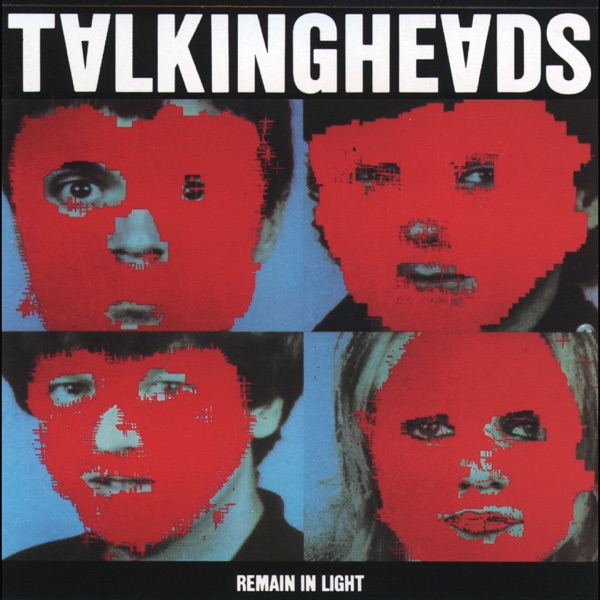 Talking Heads - Remain in Light
 Fugazi - Red Medicine
 David Byrne - Uh-Oh
 Jethro Tull - The Broadsword and the Beast
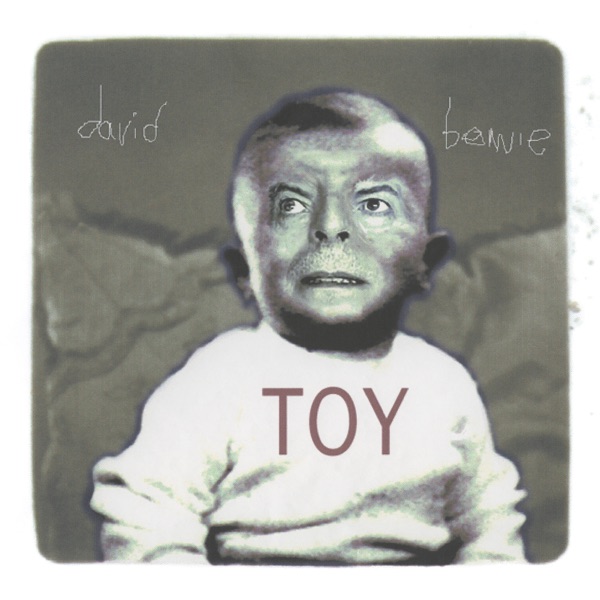 David Bowie - Toy
 Morrissey - Southpaw Grammar
 Pere Ubu - Lady from Shanghai

Join the Conversation
Share your thoughts about this album.
Please log in to add a comment.
No comments yet. Be the first to comment.