
Ambient 2: The Plateaux of Mirror
by Harold Budd and Brian Eno
Released: April 20, 1980
Ambient
Shop Harold Budd and Brian Eno
Amazon affiliate linksWhy This Album Matters
This album matters because its strongest editorial story is: Experimental Album.
The Album
"Ambient 2: The Plateaux of Mirror" is the second installment in Brian Eno's ambient music series, released in 1980. This collaborative album features Eno working alongside American ambient pianist and composer Harold Budd. The music is characterized by its serene and atmospheric qualities, creating a soundscape that encourages contemplation and introspection.
Interesting Facts
Eno's approach to ambient music involves creating a…
Eno's approach to ambient music involves creating a sonic environment that can be experienced passively, allowing listeners to immerse themselves in the gentle textures and tones.
In "The Plateaux of Mirror," Harold Budd's delicate…
In "The Plateaux of Mirror," Harold Budd's delicate piano work blends seamlessly with Eno's electronic treatments, resulting in a tranquil and evocative listening experience.
The album has been praised for its ability…
The album has been praised for its ability to evoke a sense of calm and reflective mood, making it a notable contribution to the ambient music genre.
Eno's work in ambient music, including "The Plateaux…
Eno's work in ambient music, including "The Plateaux of Mirror," has had a lasting influence on the development of electronic and ambient genres.
Explore the Album
Harold Budd and Brian Eno - Ambient 2: The Plateaux of Mirror
Open in Albums Gallery
The Complete Album Story
"Ambient 2: The Plateaux of Mirror" is the second installment in Brian Eno's ambient music series, released in 1980. This collaborative album features Eno working alongside American ambient pianist and composer Harold Budd. The music is characterized by its serene and atmospheric qualities, creating a soundscape that encourages contemplation and introspection.
Eno's approach to ambient music involves creating a sonic environment that can be experienced passively, allowing listeners to immerse themselves in the gentle textures and tones. In "The Plateaux of Mirror," Harold Budd's delicate piano work blends seamlessly with Eno's electronic treatments, resulting in a tranquil and evocative listening experience.
The album has been praised for its ability to evoke a sense of calm and reflective mood, making it a notable contribution to the ambient music genre. Eno's work in ambient music, including "The Plateaux of Mirror," has had a lasting influence on the development of electronic and ambient genres.
More Ambient Albums
 Einstürzende Neubauten - Tabula Rasa
 Aphex Twin - Selected Ambient Works Volume II
 Cabaret Voltaire - International Language
 Moby - Play (Moby album)
 Kraftwerk - Kraftwerk 2
 David Bowie - Heroes
 M83 - Before the Dawn Heals Us
 Slowdive - Morningrise
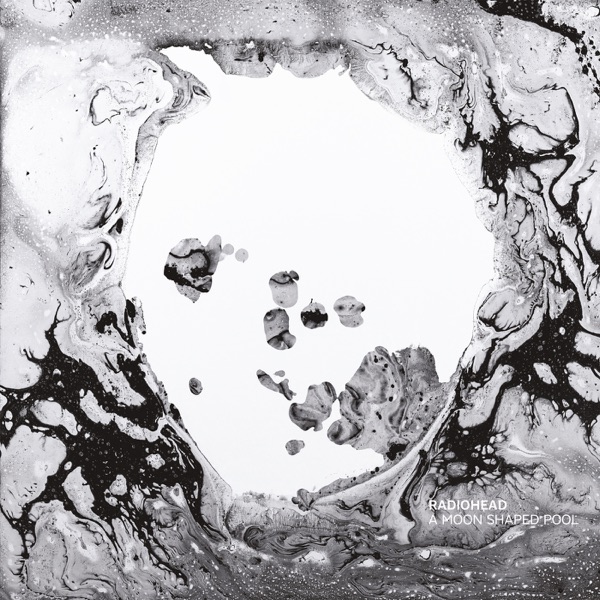 Radiohead - A Moon Shaped Pool
 Nick Cave and the Bad Seeds - Skeleton Tree

Join the Conversation
Share your thoughts about this album.
Please log in to add a comment.
No comments yet. Be the first to comment.