
Heartbreaker
by Free
Released: January 05, 1973
Blues rock
Shop Free
Amazon affiliate linksWhy This Album Matters
This album matters because its strongest editorial story is: Genre Shift.
The Album
The album's lineup may have differed from previous efforts, but it showcased the band's resilience and adaptability in the face of adversity. "Heartbreaker" stands as the sixth and final studio album by the English rock band Free, marking both the pinnacle of their success and the end of an era. Bassist Andy Fraser had departed the band, while guitarist Paul Kossoff struggled with addiction to Mandrax (Quaalude), resulting in his increasingly erratic behavior.
Inside the Recording
Recorded in late 1972 amidst internal turmoil and lineup changes, the album represents a departure from their earlier works. Co-produced by Andy Johns alongside Free themselves, "Heartbreaker" represents a bittersweet culmination of the band's journey. The recording process for "Heartbreaker" was marked by significant challenges.
Interesting Facts
To fill the void, Tetsu Yamauchi was brought…
To fill the void, Tetsu Yamauchi was brought in as Fraser's replacement, and John "Rabbit" Bundrick joined as the band's keyboard player, compensating for Kossoff's unreliability.
Both Yamauchi and Bundrick had previously collaborated with…
Both Yamauchi and Bundrick had previously collaborated with Kossoff and drummer Simon Kirke during Free's hiatus in late 1971.
Explore the Album
Free - Heartbreaker
Open in Albums Gallery
Reception
Despite these obstacles, "Heartbreaker" yielded one of Free's most successful singles, "Wishing Well," which resonated with audiences and critics alike.
Legacy
While it marked the end of Free as a collective entity, the album's legacy endures as a testament to their enduring talent and the enduring impact of their music.
The Complete Album Story
"Heartbreaker" stands as the sixth and final studio album by the English rock band Free, marking both the pinnacle of their success and the end of an era. Recorded in late 1972 amidst internal turmoil and lineup changes, the album represents a departure from their earlier works.
The recording process for "Heartbreaker" was marked by significant challenges. Bassist Andy Fraser had departed the band, while guitarist Paul Kossoff struggled with addiction to Mandrax (Quaalude), resulting in his increasingly erratic behavior. To fill the void, Tetsu Yamauchi was brought in as Fraser's replacement, and John "Rabbit" Bundrick joined as the band's keyboard player, compensating for Kossoff's unreliability. Both Yamauchi and Bundrick had previously collaborated with Kossoff and drummer Simon Kirke during Free's hiatus in late 1971.
Despite these obstacles, "Heartbreaker" yielded one of Free's most successful singles, "Wishing Well," which resonated with audiences and critics alike. The album's lineup may have differed from previous efforts, but it showcased the band's resilience and adaptability in the face of adversity.
Co-produced by Andy Johns alongside Free themselves, "Heartbreaker" represents a bittersweet culmination of the band's journey. While it marked the end of Free as a collective entity, the album's legacy endures as a testament to their enduring talent and the enduring impact of their music.
More Blues rock Albums
 Blue Cheer - Dining with the Sharks
 Grateful Dead - Skull and Roses
 Canned Heat - Living the Blues
 Big Brother and the Holding Company - Do What You Love
 Ten Years After - Ten Years After (Ten Years After album)
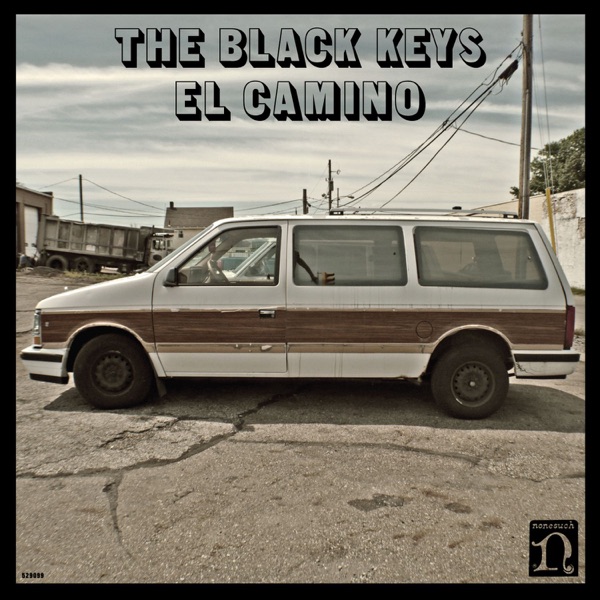 The Black Keys - El Camino
 The Dead Weather - Sea of Cowards
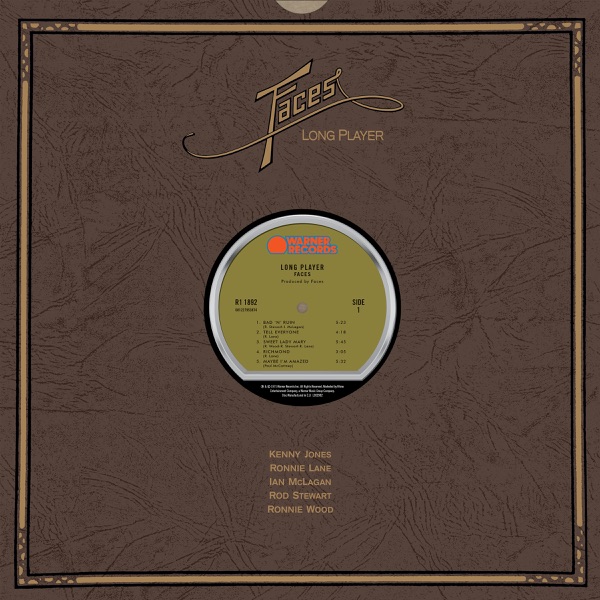 Faces - Long Player
 The Black Keys - Blakroc
 Rare Earth - Ma (album)

Join the Conversation
Share your thoughts about this album.
Please log in to add a comment.
No comments yet. Be the first to comment.