
The Long Run (album)
by Eagles
Released: September 24, 1979
Rock
Shop Eagles
Amazon affiliate linksWhy This Album Matters
This album matters because its strongest editorial story is: Lineup Change.
The Album
This album marked the first appearance of bassist Timothy B. Schmit, who replaced founding member Randy Meisner, and it was the last full studio album to feature guitarist Don Felder before his departure from the band in 2001. Recording began in 1978 and stretched over 18 months across five studios, finally releasing in September 1979. Randy Meisner left after a dispute in 1977 and was replaced by Timothy B. Schmit, who brought the unfinished "I Can't Tell You Why," which was completed with Henley and Glenn Frey.
Inside the Recording
The album was produced by Bill Szymczyk, with the Eagles credited as co-producers, highlighting their collaborative effort during a challenging period.
Interesting Facts
"The Long Run" is the sixth studio album…
"The Long Run" is the sixth studio album by the Eagles, released in 1979 by Asylum Records.
As the band's final studio album for Asylum…
As the band's final studio album for Asylum Records, it also represented the end of their original era, as the Eagles disbanded in 1980.
"The Long Run" was initially intended to be…
"The Long Run" was initially intended to be a double album, but the Eagles faced challenges in producing enough material, leading to its cancellation.
Don Henley noted that the band members were…
Don Henley noted that the band members were "completely burned out" from a lengthy tour and had few songs to work with.
Joe Walsh contributed "In the City," originally for…
Joe Walsh contributed "In the City," originally for The Warriors soundtrack, while Don Felder wrote "The Disco Strangler" as a critique of disco culture.
Essential Tracks
The Long Run
Although they reunited in 1994, their next studio album wouldn't come until 2007's "Long Road Out of Eden." The album produced three singles: "Heartache Tonight," "The Long Run," and "I Can't Tell You Why." "Heartache Tonight" achieved notable success, reaching No. 1 on the singles chart and winning a Grammy Award.
Heartache Tonight
Despite this, they assembled ten tracks, with contributions from friends like JD Souther and Bob Seger, who co-wrote "Heartache Tonight." The title track responded to criticism suggesting the band was becoming outdated amidst the rise of disco and punk, with Henley reflecting on the irony of writing about longevity while the band faced internal strife.
The Sad Cafe
"The Sad Cafe" was inspired by the Troubadour nightclub, and "The Greeks Don't Want No Freaks" paid homage to 1960s frat rock.
Explore the Album
Eagles - The Long Run (album)
Open in Albums Gallery
Reception
Despite this, they assembled ten tracks, with contributions from friends like JD Souther and Bob Seger, who co-wrote "Heartache Tonight." The title track responded to criticism suggesting the band was becoming outdated amidst the rise of disco and punk, with Henley reflecting on the irony of writing about longevity while the band faced internal strife. Although they reunited in 1994, their next studio album wouldn't come until 2007's "Long Road Out of Eden." The album produced three singles: "Heartache Tonight," "The Long Run," and "I Can't Tell You Why." "Heartache Tonight" achieved notable success, reaching No. 1 on the singles chart and winning a Grammy Award. "The Long Run" itself was certified 7× Platinum by the RIAA and has sold over eight million copies in the US, solidifying its place in rock history.
The Complete Album Story
"The Long Run" is the sixth studio album by the Eagles, released in 1979 by Asylum Records. This album marked the first appearance of bassist Timothy B. Schmit, who replaced founding member Randy Meisner, and it was the last full studio album to feature guitarist Don Felder before his departure from the band in 2001.
As the band's final studio album for Asylum Records, it also represented the end of their original era, as the Eagles disbanded in 1980. Although they reunited in 1994, their next studio album wouldn't come until 2007's "Long Road Out of Eden."
The album produced three singles: "Heartache Tonight," "The Long Run," and "I Can't Tell You Why." "Heartache Tonight" achieved notable success, reaching No. 1 on the singles chart and winning a Grammy Award. "The Long Run" itself was certified 7× Platinum by the RIAA and has sold over eight million copies in the US, solidifying its place in rock history.
"The Long Run" was initially intended to be a double album, but the Eagles faced challenges in producing enough material, leading to its cancellation. Recording began in 1978 and stretched over 18 months across five studios, finally releasing in September 1979. Don Henley noted that the band members were "completely burned out" from a lengthy tour and had few songs to work with.
Despite this, they assembled ten tracks, with contributions from friends like JD Souther and Bob Seger, who co-wrote "Heartache Tonight." The title track responded to criticism suggesting the band was becoming outdated amidst the rise of disco and punk, with Henley reflecting on the irony of writing about longevity while the band faced internal strife.
Randy Meisner left after a dispute in 1977 and was replaced by Timothy B. Schmit, who brought the unfinished "I Can't Tell You Why," which was completed with Henley and Glenn Frey. Joe Walsh contributed "In the City," originally for The Warriors soundtrack, while Don Felder wrote "The Disco Strangler" as a critique of disco culture. "The Sad Cafe" was inspired by the Troubadour nightclub, and "The Greeks Don't Want No Freaks" paid homage to 1960s frat rock.
The album was produced by Bill Szymczyk, with the Eagles credited as co-producers, highlighting their collaborative effort during a challenging period.
More Rock Albums
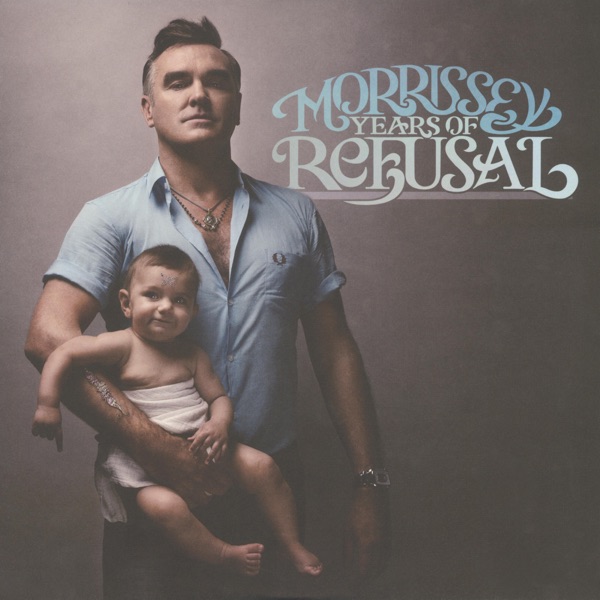 Morrissey - Years of Refusal
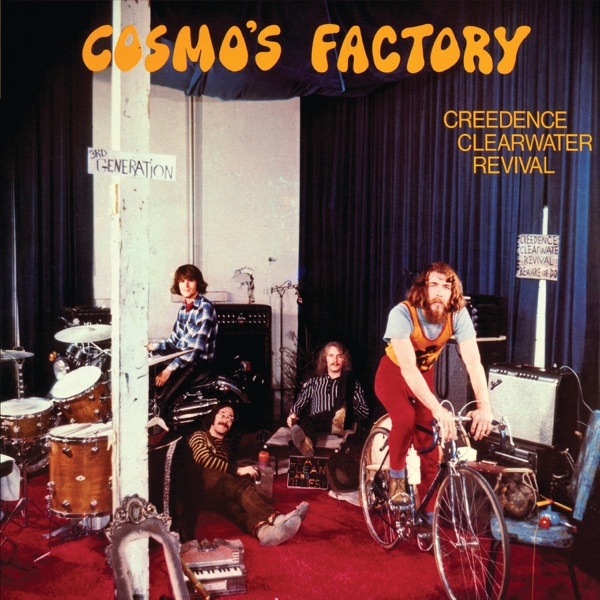 Creedence Clearwater Revival - Cosmo's Factory
 3 Doors Down - Seventeen Days
 Joy Division - Substance (Joy Division album)
 Blind Melon - The Best of Blind Melon
 Ian Brown - Ripples
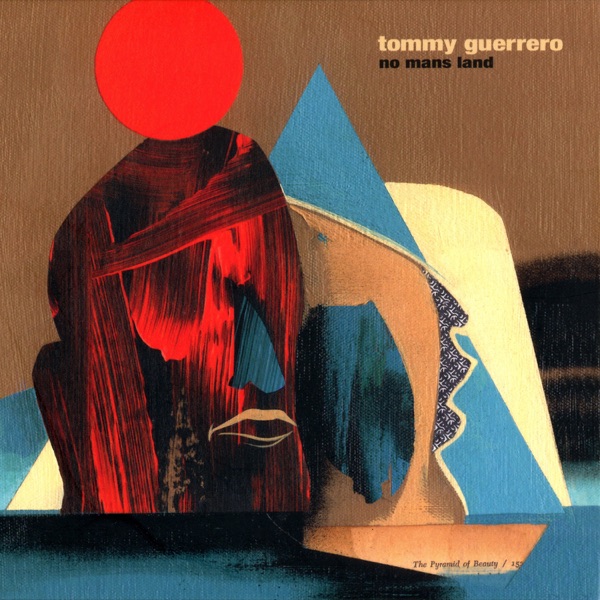 Tommy Guerrero - No Man's Land
 Squeeze - Babylon and On
 Boz Scaggs - Fade into Light
 Bon Jovi - These Days (Bon Jovi album)
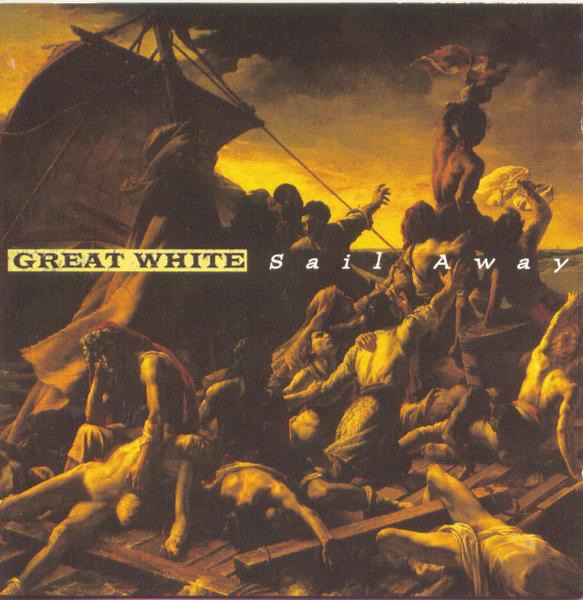 Great White - Sail Away

Join the Conversation
Share your thoughts about this album.
Please log in to add a comment.
No comments yet. Be the first to comment.