
Déjà Vu (album)
by Crosby, Stills, Nash & Young
Released: March 11, 1970
Folk rock
Shop Crosby, Stills, Nash & Young
Amazon affiliate linksWhy This Album Matters
This album matters because its strongest editorial story is: Breakthrough.
The Album
"Déjà Vu" is the second studio album by the American rock band Crosby, Stills, Nash & Young, released in March 1970. It is the first album on which Neil Young appeared as a full member of the group, joining David Crosby, Stephen Stills, and Graham Nash to form the quartet. The album was highly anticipated, following the success of their debut album, "Crosby, Stills & Nash," and the band's performance at Woodstock.
Inside the Recording
The recording process for "Déjà Vu" was famously meticulous and, at times, tumultuous, taking place over an extended period and involving several different studios.
Interesting Facts
The production was led primarily by Stephen Stills…
The production was led primarily by Stephen Stills, though all members contributed significantly to the creative process.
The album's distinctive sound combines elements of folk…
The album's distinctive sound combines elements of folk rock, country rock, and blues rock, reflecting the diverse musical backgrounds and styles of its members.
"Déjà Vu" features several iconic tracks, including "Teach…
"Déjà Vu" features several iconic tracks, including "Teach Your Children," "Woodstock," "Our House," and "Carry On." Each member contributed songs and vocals to the project, showcasing their unique talents and harmonizing abilities.
It remains one of the most beloved albums…
It remains one of the most beloved albums of the era, embodying the spirit of the late 1960s and early 1970s.
The album's cover, designed to resemble an old-fashioned…
The album's cover, designed to resemble an old-fashioned photo album, is another memorable aspect of its presentation, adding to its iconic status.
Explore the Album
Crosby, Stills, Nash & Young - Déjà Vu (album)
Open in Albums Gallery
Reception
Upon release, the album was both a critical and commercial success, reaching number one on the Billboard Pop Albums chart and eventually receiving a 7x Platinum certification for over 7 million copies sold in the United States.
Legacy
Over the years, "Déjà Vu" has been reissued in various formats, and its legacy endures as a classic of rock music history.
The Complete Album Story
"Déjà Vu" is the second studio album by the American rock band Crosby, Stills, Nash & Young, released in March 1970. It is the first album on which Neil Young appeared as a full member of the group, joining David Crosby, Stephen Stills, and Graham Nash to form the quartet. The album was highly anticipated, following the success of their debut album, "Crosby, Stills & Nash," and the band's performance at Woodstock.
The recording process for "Déjà Vu" was famously meticulous and, at times, tumultuous, taking place over an extended period and involving several different studios. The production was led primarily by Stephen Stills, though all members contributed significantly to the creative process. The album's distinctive sound combines elements of folk rock, country rock, and blues rock, reflecting the diverse musical backgrounds and styles of its members.
"Déjà Vu" features several iconic tracks, including "Teach Your Children," "Woodstock," "Our House," and "Carry On." Each member contributed songs and vocals to the project, showcasing their unique talents and harmonizing abilities.
Upon release, the album was both a critical and commercial success, reaching number one on the Billboard Pop Albums chart and eventually receiving a 7x Platinum certification for over 7 million copies sold in the United States. It remains one of the most beloved albums of the era, embodying the spirit of the late 1960s and early 1970s.
The album's cover, designed to resemble an old-fashioned photo album, is another memorable aspect of its presentation, adding to its iconic status. Over the years, "Déjà Vu" has been reissued in various formats, and its legacy endures as a classic of rock music history.
More Folk rock Albums
 Red House Painters - Retrospective (Red House Painters album)
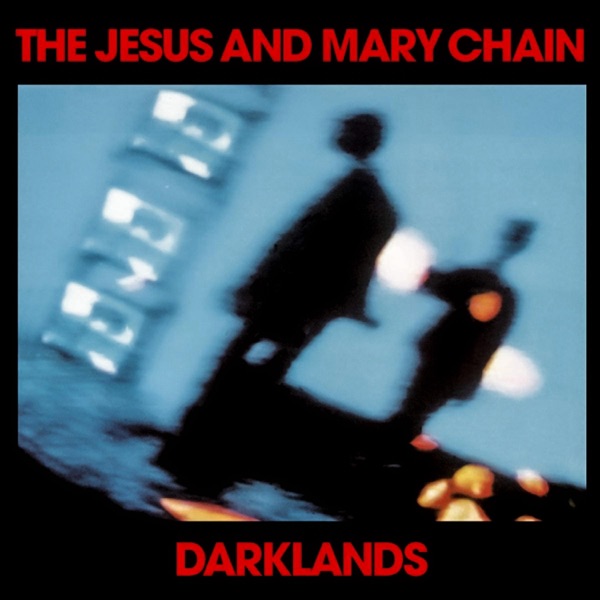 The Jesus And Mary Chain - Darklands
 Joni Mitchell - Both Sides Now
 Crosby, Stills, Nash & Young - 4 Way Street
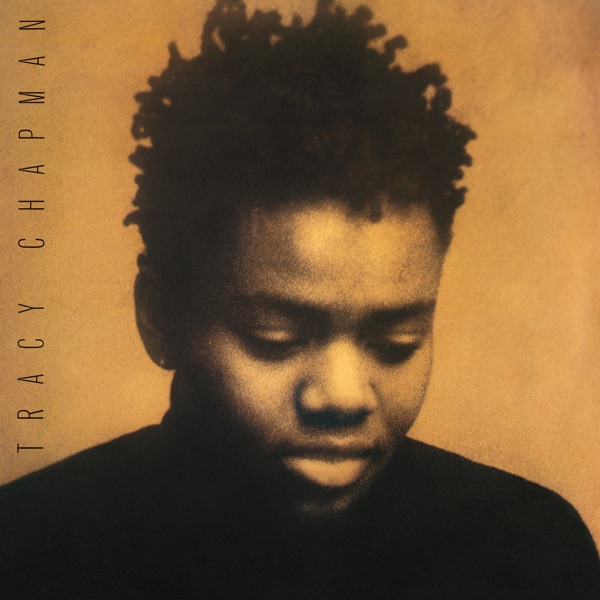 Tracy Chapman - Tracy Chapman (album)
 Asaf Avidan - Gold Shadow
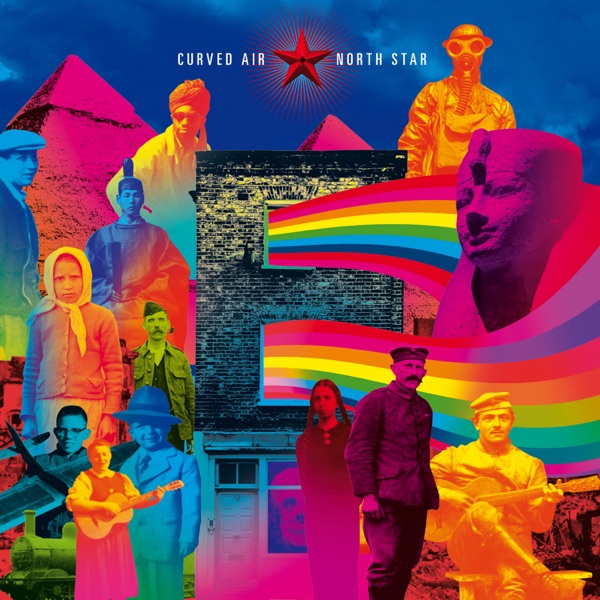 Curved Air - North Star
 Sun Kil Moon - I Also Want to Die in New Orleans
 Jethro Tull - Heavy Horses
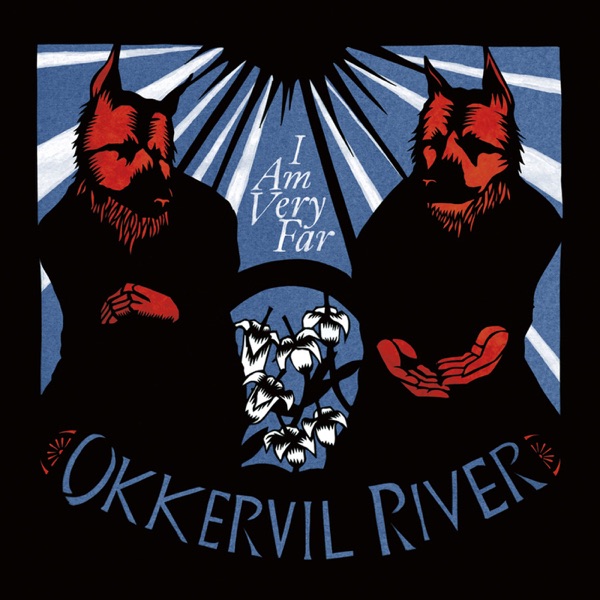 Okkervil River - I Am Very Far
 Sheryl Crow - Sheryl Crow (album)

Join the Conversation
Share your thoughts about this album.
Please log in to add a comment.
No comments yet. Be the first to comment.