
New Masters
by Cat Stevens
Released: December 15, 1967
Baroque pop, folk pop
Shop Cat Stevens
Amazon affiliate linksWhy This Album Matters
This album matters because its strongest editorial story is: Breakthrough.
The Album
Despite its initial reception, the album contributes to Stevens' early catalog and demonstrates his evolution as an artist during a formative period in his career. "New Masters" is indeed the second studio album by Cat Stevens, released in December 1967 under Deram Records, a subsidiary of Decca Records. This album followed his debut album, "Matthew and Son," which had achieved significant success.
Interesting Facts
Following the momentum of "Matthew and Son," "New…
Following the momentum of "Matthew and Son," "New Masters" showcased Cat Stevens' continued exploration of his folk-pop style, while also experimenting with more diverse musical influences.
Tracks on "New Masters" include songs like "Kitty,"…
Tracks on "New Masters" include songs like "Kitty," "Northern Wind," and "The Laughing Apple," reflecting Stevens' introspective and poetic lyricism.
Explore the Album
Cat Stevens - New Masters
Open in Albums Gallery
Reception
The album didn't achieve the same level of commercial success as its predecessor, but it allowed Stevens to further develop his songwriting and musical identity.
The Complete Album Story
"New Masters" is indeed the second studio album by Cat Stevens, released in December 1967 under Deram Records, a subsidiary of Decca Records. This album followed his debut album, "Matthew and Son," which had achieved significant success.
Following the momentum of "Matthew and Son," "New Masters" showcased Cat Stevens' continued exploration of his folk-pop style, while also experimenting with more diverse musical influences. The album didn't achieve the same level of commercial success as its predecessor, but it allowed Stevens to further develop his songwriting and musical identity.
Tracks on "New Masters" include songs like "Kitty," "Northern Wind," and "The Laughing Apple," reflecting Stevens' introspective and poetic lyricism. Despite its initial reception, the album contributes to Stevens' early catalog and demonstrates his evolution as an artist during a formative period in his career.
More Baroque pop Albums
 David Bowie - David Bowie (1967 album)
 Kate Bush - The Red Shoes
 Blur - The Ballad of Darren
 Badfinger - Magic Christian Music
 Arcade Fire - Neon Bible
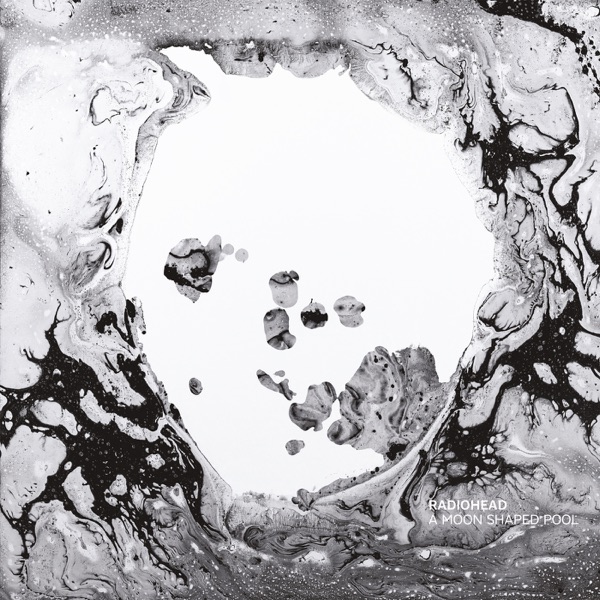 Radiohead - A Moon Shaped Pool
 The Walker Brothers - Take It Easy with the Walker Brothers
 The Zombies - Begin Here
 Arcade Fire - The Suburbs
 The Zombies - Odessey and Oracle

Join the Conversation
Share your thoughts about this album.
Please log in to add a comment.
No comments yet. Be the first to comment.