
The Happy Club
by Bob Geldof
Released: October 05, 1992
Pop, rock
Shop Bob Geldof
Amazon affiliate linksWhy This Album Matters
This album matters because its strongest editorial story is: Breakthrough.
The Album
The album represents a continuation of Geldof's exploration into themes of personal and societal disillusionment, mixed with a search for happiness and meaning in everyday life. The songs on the album address various social issues, reflecting Geldof's activist background, alongside personal reflections and storytelling. "The Happy Club" is the fourth solo studio album by Bob Geldof, released in March 1992.
Interesting Facts
Geldof, an Irish singer-songwriter and political activist, gained…
Geldof, an Irish singer-songwriter and political activist, gained fame as the lead singer of the Boomtown Rats and for his work on the Live Aid and Live 8 concerts.
Musically, "The Happy Club" blends rock with elements…
Musically, "The Happy Club" blends rock with elements of pop and folk, showcasing Geldof's eclectic style.
Some of the notable tracks include "The Great…
Some of the notable tracks include "The Great Song of Indifference," known for its ironic and satirical tone, and "The Happy Club," which sets the theme for the rest of the album.
Explore the Album
Bob Geldof - The Happy Club
Open in Albums Gallery
Reception
The work received mixed reviews from critics, who praised its ambition and songwriting but noted it did not reach the commercial heights of Geldof's earlier projects with the Boomtown Rats. Although it did not achieve major commercial success, the album was noted for its lyrical depth and Geldof's distinctive vocal style.
Legacy
The album contributed to Geldof's legacy as a musician unafraid to tackle serious topics while maintaining his signature sound and sense of irony.
The Complete Album Story
"The Happy Club" is the fourth solo studio album by Bob Geldof, released in March 1992. Geldof, an Irish singer-songwriter and political activist, gained fame as the lead singer of the Boomtown Rats and for his work on the Live Aid and Live 8 concerts.
The album represents a continuation of Geldof's exploration into themes of personal and societal disillusionment, mixed with a search for happiness and meaning in everyday life. The songs on the album address various social issues, reflecting Geldof's activist background, alongside personal reflections and storytelling.
Musically, "The Happy Club" blends rock with elements of pop and folk, showcasing Geldof's eclectic style. Although it did not achieve major commercial success, the album was noted for its lyrical depth and Geldof's distinctive vocal style.
Some of the notable tracks include "The Great Song of Indifference," known for its ironic and satirical tone, and "The Happy Club," which sets the theme for the rest of the album. The work received mixed reviews from critics, who praised its ambition and songwriting but noted it did not reach the commercial heights of Geldof's earlier projects with the Boomtown Rats.
The album contributed to Geldof's legacy as a musician unafraid to tackle serious topics while maintaining his signature sound and sense of irony.
More Pop Albums
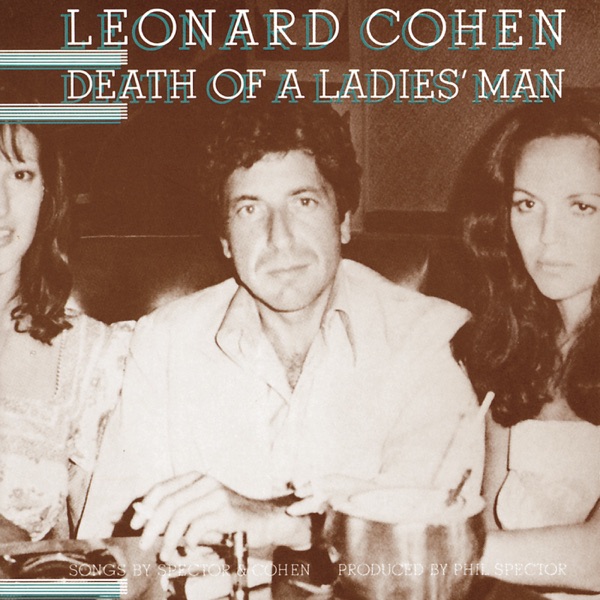 Leonard Cohen - Death of a Ladies' Man
 Boy George - Sold (Boy George album)
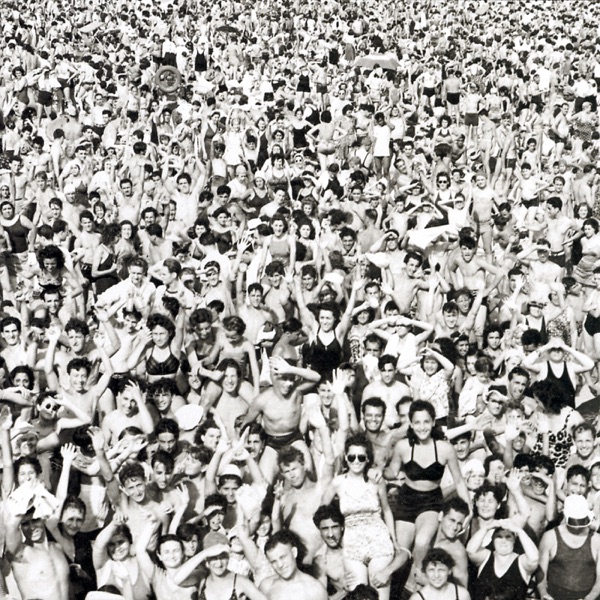 George Michael - Listen Without Prejudice Vol. 1
 Incubus - 8 (Incubus album)
 Whitney Houston - I Will Always Love You: The Best of Whitney Houston
 Low - Trust
 Supergrass - Life on Other Planets
 The Motels - Little Robbers
 Boyz II Men - Christmas Interpretations
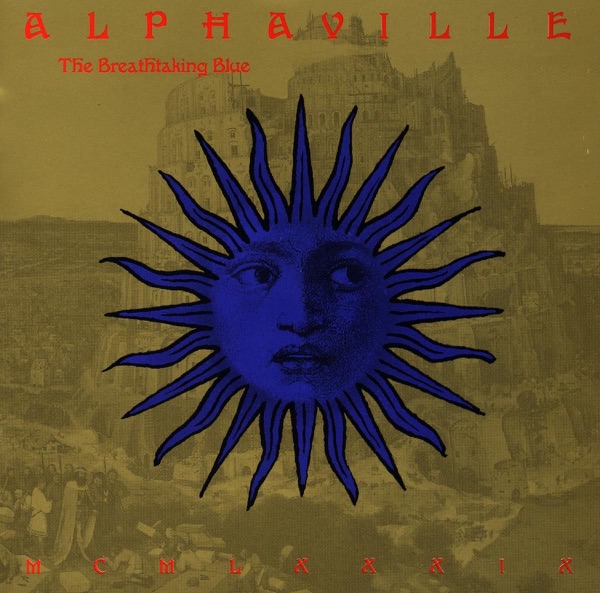 Alphaville - The Breathtaking Blue

Join the Conversation
Share your thoughts about this album.
Please log in to add a comment.
No comments yet. Be the first to comment.