
Loose Blues
by Bill Evans
Released: August 22, 1983
Jazz
Shop Bill Evans
Amazon affiliate linksWhy This Album Matters
This album matters because its strongest editorial story is: Improvisation.
The Album
The collaboration highlights a balance of melodic exploration and rhythmic complexity. While not as widely known as some of Evans' other works, Loose Blues is a valuable addition to his discography and demonstrates his influence in jazz. "Loose Blues", also known as Unknown Session in Japan, is an album by jazz pianist Bill Evans released on the Milestone label in 1962.
Inside the Recording
The sessions were recorded in 1962 and showcase Evans' improvisational skill and his ability to blend smoothly with the other musicians.
Interesting Facts
The album features performances by Bill Evans on…
The album features performances by Bill Evans on piano, Zoot Sims on tenor saxophone, Jim Hall on guitar, Ron Carter on bass, and Philly Joe Jones on drums.
The track listing may vary between editions, but…
The track listing may vary between editions, but the album generally includes a mix of standards and original compositions performed in a loose, conversational style typical of Evans' approach to jazz.
The album is appreciated for its engaging performances…
The album is appreciated for its engaging performances and the chemistry among the musicians.
It provides insight into Evans' work during the…
It provides insight into Evans' work during the early 1960s and his interactions with other prominent jazz artists of the time.
Explore the Album
Bill Evans - Loose Blues
Open in Albums Gallery
The Complete Album Story
"Loose Blues", also known as Unknown Session in Japan, is an album by jazz pianist Bill Evans released on the Milestone label in 1962.
The album features performances by Bill Evans on piano, Zoot Sims on tenor saxophone, Jim Hall on guitar, Ron Carter on bass, and Philly Joe Jones on drums. The sessions were recorded in 1962 and showcase Evans' improvisational skill and his ability to blend smoothly with the other musicians. The collaboration highlights a balance of melodic exploration and rhythmic complexity.
The track listing may vary between editions, but the album generally includes a mix of standards and original compositions performed in a loose, conversational style typical of Evans' approach to jazz.
The album is appreciated for its engaging performances and the chemistry among the musicians. It provides insight into Evans' work during the early 1960s and his interactions with other prominent jazz artists of the time. While not as widely known as some of Evans' other works, Loose Blues is a valuable addition to his discography and demonstrates his influence in jazz.
More Jazz Albums
 Bill Evans - Trio 64
 Laura Nyro - Smile
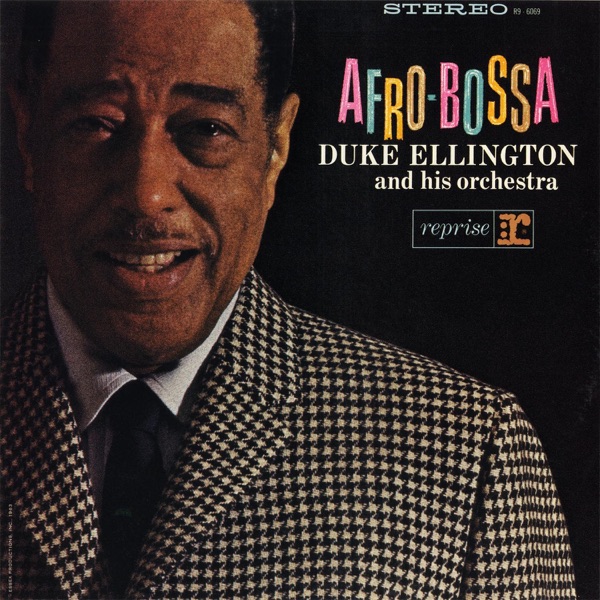 Duke Ellington - Afro-Bossa
 Tom Waits - Alice (Tom Waits album)
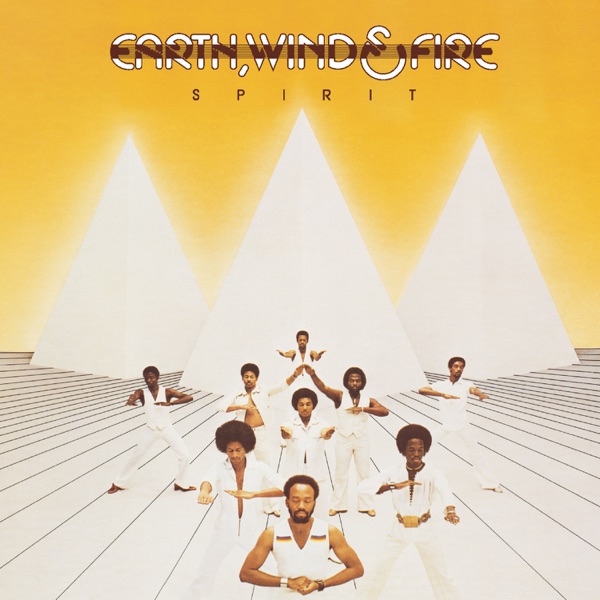 Spirit - Spirit (album)
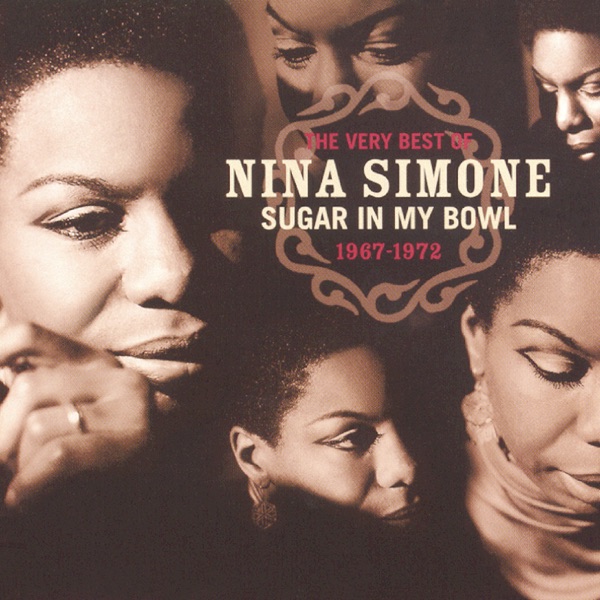 Nina Simone - The Very Best of Nina Simone
 The Mothers of Invention - Weasels Ripped My Flesh
 Bill Wyman's Rhythm Kings - Anyway the Wind Blows

Join the Conversation
Share your thoughts about this album.
Please log in to add a comment.
No comments yet. Be the first to comment.