
Living Eyes
by Bee Gees
Released: October 05, 1981
Soft rock, art rock
Shop Bee Gees
Amazon affiliate linksWhy This Album Matters
This album matters because its strongest editorial story is: Recording Conflict.
The Album
Recording resumed early in 1981, this time without the band that had supported the Bee Gees during their late-1970s tours. "Living Eyes" is the sixteenth studio album (fourteenth internationally) by the Bee Gees, released in 1981. After the success of their production work on Barbra Streisand's album Guilty, the Bee Gees regrouped at Middle Ear Studios in October 1980 to begin recording their next album.
Interesting Facts
The Gibb brothers had developed a distinctive production…
The Gibb brothers had developed a distinctive production style with their previous projects, but as Robin and Maurice became more involved in the studio, it created tension within the production team.
This album marked the band's final release on…
This album marked the band's final release on RSO Records, which would later be absorbed into Polydor.
They started work on some tracks for Living…
They started work on some tracks for Living Eyes, continuing to collaborate with backing musicians Blue Weaver, Alan Kendall, and Dennis Bryon, but tensions arose, leading to the dismissal of the three backing musicians.
Albhy Galuten later commented on the challenges faced…
Albhy Galuten later commented on the challenges faced during the making of Living Eyes, expressing a sense of fear that they had fallen into a rut and noting that the creative process was not enjoyable.
Living Eyes showcased a soft rock sound that…
Living Eyes showcased a soft rock sound that contrasted with the disco and R&B material of the mid-to-late 1970s, as the Bee Gees faced significant backlash against disco and felt pressure to distance themselves from the genre.
Essential Tracks
Living Eyes
"Living Eyes" is the sixteenth studio album (fourteenth internationally) by the Bee Gees, released in 1981.
Soldiers
The Bee Gees aimed to avoid being pigeonholed as a disco act, resulting in minimal use of their trademark falsetto vocals, with "Soldiers" being a notable exception.
Explore the Album
Bee Gees - Living Eyes
Open in Albums Gallery
Reception
Despite not achieving strong sales in the UK or the US, Living Eyes did reach the top 40 in many other territories where it was released. The album received mixed to negative reviews from critics, and the Gibb brothers themselves have expressed dissatisfaction with it, viewing it as a rushed project influenced by commercial pressures. The Bee Gees aimed to avoid being pigeonholed as a disco act, resulting in minimal use of their trademark falsetto vocals, with "Soldiers" being a notable exception.
The Complete Album Story
"Living Eyes" is the sixteenth studio album (fourteenth internationally) by the Bee Gees, released in 1981. This album marked the band's final release on RSO Records, which would later be absorbed into Polydor. Living Eyes showcased a soft rock sound that contrasted with the disco and R&B material of the mid-to-late 1970s, as the Bee Gees faced significant backlash against disco and felt pressure to distance themselves from the genre.
Despite not achieving strong sales in the UK or the US, Living Eyes did reach the top 40 in many other territories where it was released. The album received mixed to negative reviews from critics, and the Gibb brothers themselves have expressed dissatisfaction with it, viewing it as a rushed project influenced by commercial pressures.
After the success of their production work on Barbra Streisand's album Guilty, the Bee Gees regrouped at Middle Ear Studios in October 1980 to begin recording their next album. They started work on some tracks for Living Eyes, continuing to collaborate with backing musicians Blue Weaver, Alan Kendall, and Dennis Bryon, but tensions arose, leading to the dismissal of the three backing musicians.
Recording resumed early in 1981, this time without the band that had supported the Bee Gees during their late-1970s tours. Barry Gibb decided to work with session musicians to achieve the desired sound, featuring notable players like Don Felder, Jeff Porcaro, Richard Tee, George Terry, and Steve Gadd. The Bee Gees aimed to avoid being pigeonholed as a disco act, resulting in minimal use of their trademark falsetto vocals, with "Soldiers" being a notable exception.
The Gibb brothers had developed a distinctive production style with their previous projects, but as Robin and Maurice became more involved in the studio, it created tension within the production team. Albhy Galuten later commented on the challenges faced during the making of Living Eyes, expressing a sense of fear that they had fallen into a rut and noting that the creative process was not enjoyable.
This album also marked the return of Robin and Maurice Gibb as lead vocalists on a full song for the first time since 1975. Barry acknowledged that their falsetto dominance had previously sidelined Robin and Maurice from taking lead roles, but with the changing dynamics of the music scene, it became important to feature their voices as well. The brothers emphasized that their collaborative approach was rooted in a lack of ego, focusing on what was best for the group rather than individual success.
More Soft rock Albums
 The Lemon Twigs - Go to School
 The Mamas & The Papas - People Like Us
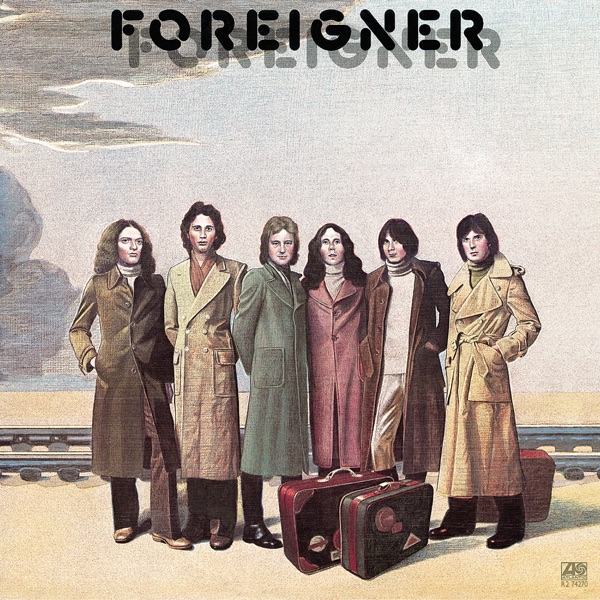 Foreigner - Foreigner (album)
 Sting - Ten Summoner's Tales
 10Cc - Mirror Mirror
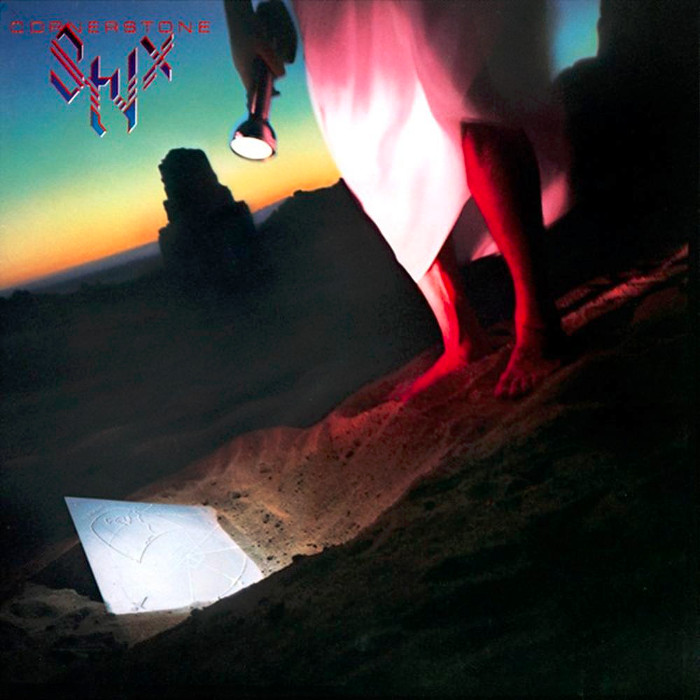 Styx - Cornerstone
 Fleetwood Mac - Rumours
 Three Dog Night - It Ain't Easy (Three Dog Night album)
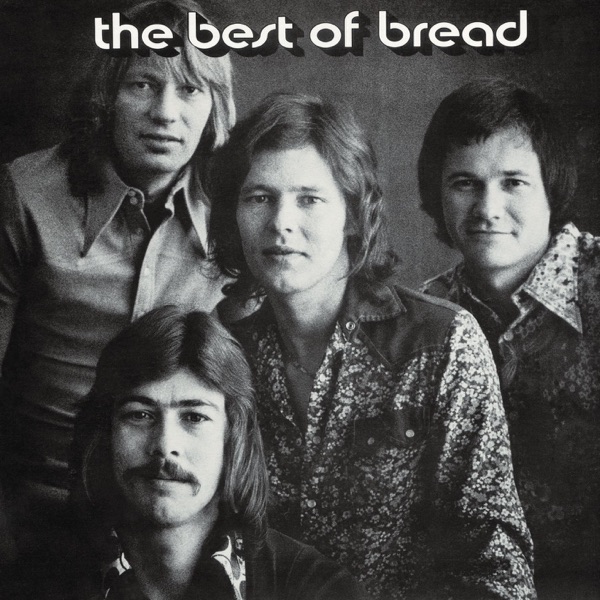 Bread - The Best of Bread
 Electric Light Orchestra - Xanadu (soundtrack)
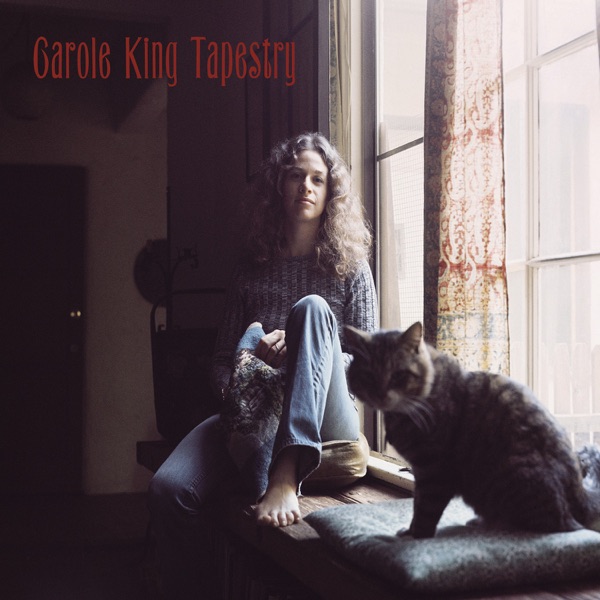 Carole King - Tapestry
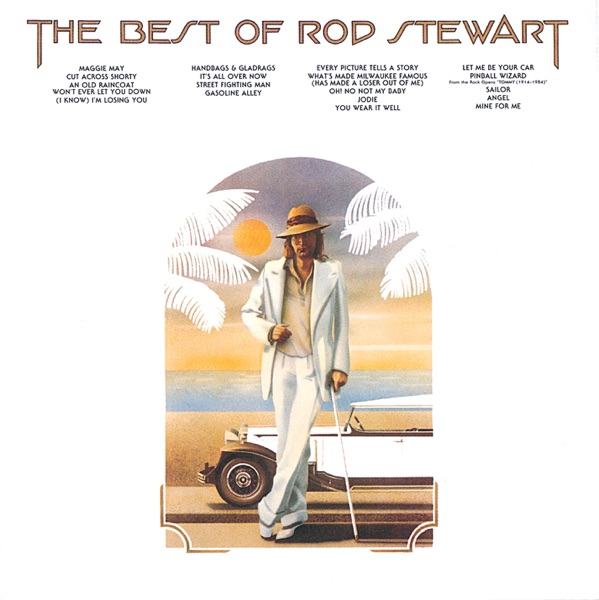 Rod Stewart - The Best of Rod Stewart (1989 album)

Join the Conversation
Share your thoughts about this album.
Please log in to add a comment.
No comments yet. Be the first to comment.