
2 Years On
by Bee Gees
Released: November 05, 1970
Pop rock
Shop Bee Gees
Amazon affiliate linksWhy This Album Matters
This album matters because its strongest editorial story is: Genre Shift.
The Album
That same month, drummer Colin Petersen was replaced by Terry Cox to complete the album Cucumber Castle. In June 1970, Robin and Maurice reunited, joined by new drummer Geoff Bridgford. "2 Years On" is the eighth studio album by the Bee Gees, released in 1970.
Interesting Facts
In March 1969, Robin announced his departure from…
In March 1969, Robin announced his departure from the Bee Gees.
They recorded four new songs, including "Sincere Relation"…
They recorded four new songs, including "Sincere Relation" and "Lay It on Me," and re-recorded "We Can Lift a Mountain," a track from 1968.
This album was also the first to feature…
This album was also the first to feature drummer Geoff Bridgford, who would remain with the band until 1972, although he was not pictured on the album cover.
The most well-known track from the album is…
The most well-known track from the album is "Lonely Days," which was the first single released by the reunited brothers.
However, by December 1969, Barry and Maurice announced…
However, by December 1969, Barry and Maurice announced that the Bee Gees had split.
Essential Tracks
2 Years On
"2 Years On" is the eighth studio album by the Bee Gees, released in 1970.
Man For All Seasons
Although the album symbolized their reunion, only three tracks credited all three brothers as composers: "Lonely Days," its B-side "Man for All Seasons," and "Back Home." Maurice sang on all tracks, while Barry and Robin contributed only to the songs they wrote or co-wrote.
Sincere Relation
They recorded four new songs, including "Sincere Relation" and "Lay It on Me," and re-recorded "We Can Lift a Mountain," a track from 1968.
Back Home
They recorded fourteen songs, including "Back Home" and "I'm Weeping." Eventually, the three brothers came together to continue recording, with Barry expressing a commitment to the group's future.
Lonely Days
The most well-known track from the album is "Lonely Days," which was the first single released by the reunited brothers.
Explore the Album
Bee Gees - 2 Years On
Open in Albums Gallery
Reception
It achieved significant success in the US, reaching No. 3 on the Billboard Hot 100 and No. 1 on the Cashbox chart, but only managed to reach No. 33 in the UK. It reached No. 32 on the US charts and marked the return of Robin Gibb to the group after a period of disagreement and a split following the album Odessa. He released his debut solo single, "Saved by the Bell," in June, which peaked at No. 2 on the UK charts.
The Complete Album Story
"2 Years On" is the eighth studio album by the Bee Gees, released in 1970. It reached No. 32 on the US charts and marked the return of Robin Gibb to the group after a period of disagreement and a split following the album Odessa. This album was also the first to feature drummer Geoff Bridgford, who would remain with the band until 1972, although he was not pictured on the album cover. The most well-known track from the album is "Lonely Days," which was the first single released by the reunited brothers. It achieved significant success in the US, reaching No. 3 on the Billboard Hot 100 and No. 1 on the Cashbox chart, but only managed to reach No. 33 in the UK.
In March 1969, Robin announced his departure from the Bee Gees. He released his debut solo single, "Saved by the Bell," in June, which peaked at No. 2 on the UK charts. That same month, drummer Colin Petersen was replaced by Terry Cox to complete the album Cucumber Castle. However, by December 1969, Barry and Maurice announced that the Bee Gees had split. During this time, Maurice released "Railroad" and Barry released "I'll Kiss Your Memory," but neither of their albums, The Loner and The Kid's No Good, were ever released. Maurice also appeared in the London musical production Sing a Rude Song. Reflecting on the situation, Maurice recalled the frustrations with their management and how they decided to reform the group.
In June 1970, Robin and Maurice reunited, joined by new drummer Geoff Bridgford. They recorded four new songs, including "Sincere Relation" and "Lay It on Me," and re-recorded "We Can Lift a Mountain," a track from 1968. Later, Maurice joined the supergroup The Bloomfields and collaborated with Tin Tin. In August, Robin and Maurice announced the Bee Gees were back together, regardless of Barry's involvement. They recorded fourteen songs, including "Back Home" and "I'm Weeping." Eventually, the three brothers came together to continue recording, with Barry expressing a commitment to the group's future.
Around this time, Barry's planned single "One Bad Thing" was withdrawn from release, and it was decided that the next single would be by the reunited Bee Gees. Although the album symbolized their reunion, only three tracks credited all three brothers as composers: "Lonely Days," its B-side "Man for All Seasons," and "Back Home." Maurice sang on all tracks, while Barry and Robin contributed only to the songs they wrote or co-wrote. During the August sessions, they also recorded several other songs, including "You Got to Lose It in the End," "Little Red Train," "Sweet Summer Rain," "Melody Fair," and "Maybe Tomorrow," but none of these tracks were ultimately released.
More Pop rock Albums
 Supertramp - Brother Where You Bound
 Styx - Brave New World (Styx album)
 Paul Young - The Crossing
 Elvis Costello - Trust
 Take That - Progress
 Weezer - SZNZ: Spring
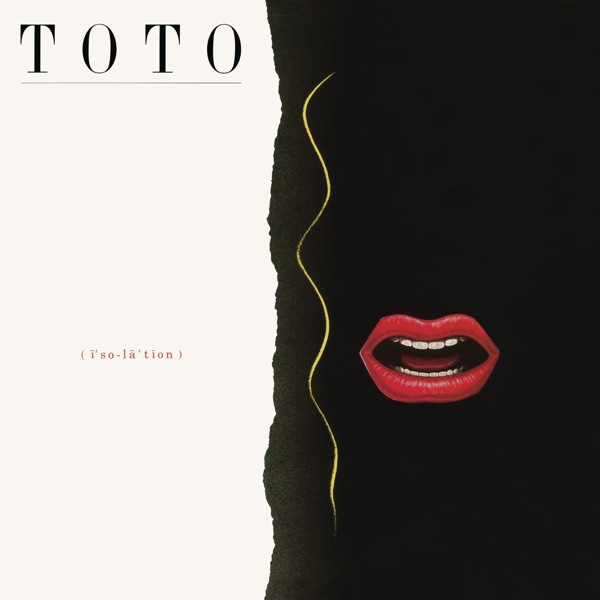 Toto - Isolation (Toto album)
 Tina Turner - Foreign Affair
 Crowded House - Recurring Dream
 Tori Amos - Ocean to Ocean

Join the Conversation
Share your thoughts about this album.
Please log in to add a comment.
No comments yet. Be the first to comment.