
Audioslave (album)
by Audioslave
Released: November 18, 2002
Hard rock, alternative rock
Shop Audioslave
Amazon affiliate linksWhy This Album Matters
This album matters because its strongest editorial story is: Lineup Change.
The Album
During the album's production, Cornell was also dealing with personal struggles, including problems with alcohol. He later revealed that he had gone through a "horrible personal crisis" during the making of the album, which involved his rehab stay and a separation from his wife. "Audioslave" is the debut studio album by the American rock supergroup Audioslave, released on November 18, 2002, through Epic Records and Interscope Records.
Inside the Recording
They were introduced to Chris Cornell, the former lead singer of Soundgarden, through producer Rick Rubin, who had played them Soundgarden’s "Slaves & Bulldozers" to showcase Cornell’s vocal abilities.
Interesting Facts
The album produced several hit singles, including "Cochise"…
The album produced several hit singles, including "Cochise", "Like a Stone", "Show Me How to Live", "I Am the Highway", and "What You Are".
The formation of Audioslave came after Zack de…
The formation of Audioslave came after Zack de la Rocha's departure from Rage Against the Machine.
But just days after the announcement, Cornell left…
But just days after the announcement, Cornell left the band due to some internal issues.
The remaining members of the band—guitarist Tom Morello…
The remaining members of the band—guitarist Tom Morello, bassist Tim Commerford, and drummer Brad Wilk—began the search for a new vocalist.
At the time, Cornell was working on material…
At the time, Cornell was working on material for a second solo album, but after meeting with the band, he decided to set aside his solo work and pursue the opportunity with Rage's remaining members.
Essential Tracks
What You Are
The album produced several hit singles, including "Cochise", "Like a Stone", "Show Me How to Live", "I Am the Highway", and "What You Are".
I Am the Highway
The album produced several hit singles, including "Cochise", "Like a Stone", "Show Me How to Live", "I Am the Highway", and "What You Are".
Explore the Album
Audioslave - Audioslave (album)
Open in Albums Gallery
Reception
It has been certified triple platinum by the Recording Industry Association of America in the United States. "Like a Stone" was particularly successful, earning a nomination for Best Hard Rock Performance at the 46th Grammy Awards.
The Complete Album Story
"Audioslave" is the debut studio album by the American rock supergroup Audioslave, released on November 18, 2002, through Epic Records and Interscope Records. It has been certified triple platinum by the Recording Industry Association of America in the United States. The album produced several hit singles, including "Cochise", "Like a Stone", "Show Me How to Live", "I Am the Highway", and "What You Are". "Like a Stone" was particularly successful, earning a nomination for Best Hard Rock Performance at the 46th Grammy Awards.
The formation of Audioslave came after Zack de la Rocha's departure from Rage Against the Machine. The remaining members of the band—guitarist Tom Morello, bassist Tim Commerford, and drummer Brad Wilk—began the search for a new vocalist. They were introduced to Chris Cornell, the former lead singer of Soundgarden, through producer Rick Rubin, who had played them Soundgarden’s "Slaves & Bulldozers" to showcase Cornell’s vocal abilities. At the time, Cornell was working on material for a second solo album, but after meeting with the band, he decided to set aside his solo work and pursue the opportunity with Rage's remaining members.
The chemistry between Cornell and the band was immediate. Morello later described the first jam session with Cornell as a transcendent experience, saying it felt irreplaceable from the very first moment. The band quickly wrote 21 songs during 19 days of rehearsal, and recording for the debut album began in May 2001.
However, the process was not without its challenges. In March 2002, Audioslave announced they would be part of the Ozzfest tour that summer. But just days after the announcement, Cornell left the band due to some internal issues. He rejoined the group six weeks later after these issues were resolved, and the band’s plans to tour with Ozzfest were ultimately canceled.
Before the album's official release, rough versions of 13 songs from the album were leaked online under the name "Civilian" (or "The Civilian Project") in May 2002. Morello later expressed his frustration over the leaks, stating that it was especially disappointing because the versions leaked were incomplete, with some lyrics, solos, and performances still in development.
During the album's production, Cornell was also dealing with personal struggles, including problems with alcohol. In late 2002, rumors circulated that he had checked into a rehabilitation facility, which were later confirmed when he conducted an interview from a clinic. He later revealed that he had gone through a "horrible personal crisis" during the making of the album, which involved his rehab stay and a separation from his wife. He remained sober until shortly before his death in 2017.
Audioslave was officially released on November 18, 2002, in the United Kingdom, and the following day in the United States. The band toured extensively throughout 2003 in support of the album before taking a break in 2004 to begin work on their second album.
The album's cover artwork was created by Storm Thorgerson, who was best known for his work with Pink Floyd through the design group Hipgnosis. Thorgerson explained that the artwork was inspired by the brooding, sultry nature of the music, which seemed to carry an impending sense of eruption or fury, much like a volcano. The image features a large, metallic sculpture of a flame on the volcanic island of Lanzarote, symbolizing both the memory of the band's previous incarnations—Soundgarden and Rage Against the Machine—and the eternal flame of remembrance. There was an alternate version of the cover that featured a naked man gazing at the flame, but it was ultimately not used, as the band was uncertain about the nude figure in the image.
More Hard rock Albums
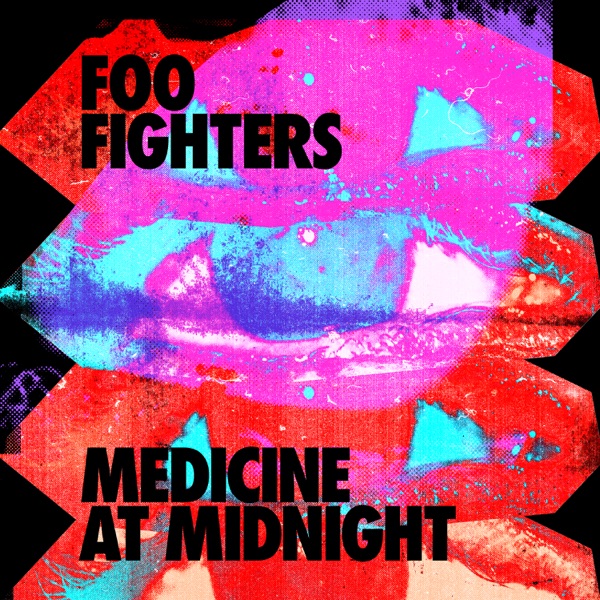 Foo Fighters - Medicine at Midnight
 Thin Lizzy - Vagabonds of the Western World
 UFO - Phenomenon
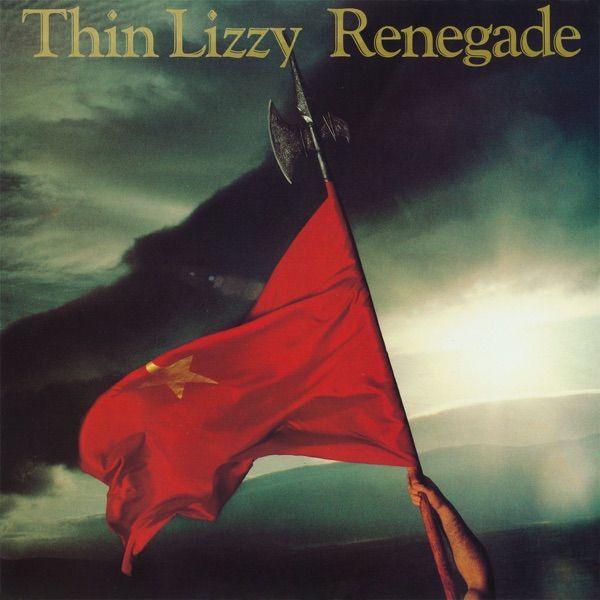 Thin Lizzy - Renegade
 Scorpions - In Trance
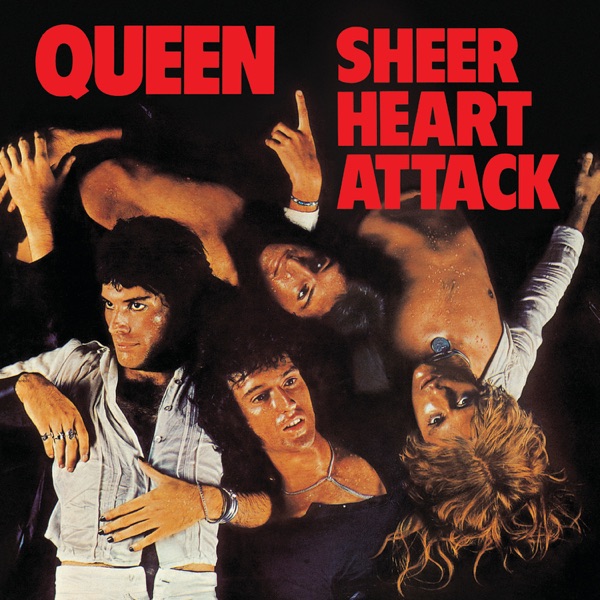 Queen - Sheer Heart Attack
 Europe - War of Kings
 UFO - High Stakes & Dangerous Men
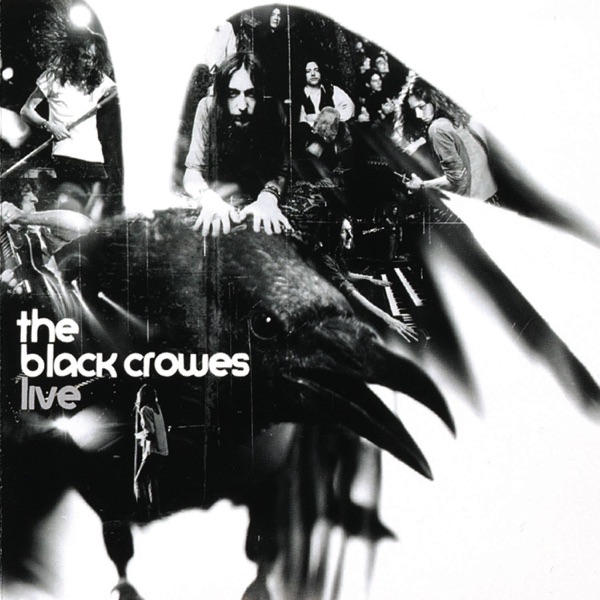 The Black Crowes - Live

Join the Conversation
Share your thoughts about this album.
Please log in to add a comment.
No comments yet. Be the first to comment.