
Reflektor
by Arcade Fire
Released: October 28, 2013
Art rock, dance-rock
Shop Arcade Fire
Amazon affiliate linksWhy This Album Matters
This album matters because its strongest editorial story is: Limited Release.
The Album
"Reflektor" is the fourth studio album by Canadian indie rock band Arcade Fire, released on October 28, 2013, through Sonovox Records internationally and Merge Records in the United States. This double album was recorded between 2011 and 2013 at studios in Montreal, Jamaica, and Louisiana. The album was primarily recorded on analog tape.
Inside the Recording
It was co-produced by James Murphy, the frontman of LCD Soundsystem, regular Arcade Fire producer Markus Dravs, and the band members themselves. Recording began in Louisiana in 2011 before the band moved to Jamaica in 2012 with producer Markus Dravs.
Interesting Facts
The album draws influence from Haitian rara music…
The album draws influence from Haitian rara music, the 1959 film Black Orpheus, and Søren Kierkegaard's essay "Two Ages." Its release was preceded by a guerrilla marketing campaign inspired by veve drawings, along with the release of the title track as a limited edition single credited to the fictional band The Reflektors on September 9, 2013.
The album's origins can be traced back to…
The album's origins can be traced back to a trip that vocalist/guitarist Win Butler and multi-instrumentalist Régine Chassagne took to Haiti.
Butler remarked that visiting Haiti fundamentally changed his…
Butler remarked that visiting Haiti fundamentally changed his worldview and opened him up to a vast array of cultural influences.
Inspired by the country's rara music, they incorporated…
Inspired by the country's rara music, they incorporated elements of this sound into their new material, alongside Jamaican influences.
According to the band's manager, the album's production…
According to the band's manager, the album's production cost was around $1.6 million.
Essential Tracks
Here Comes the Night Time
Two tracks, "Here Comes the Night Time" and "Here Comes the Night Time II," appear on opposite halves of the album, with the latter written first and thematically linked to Haitian Carnival.
Here Comes the Night Time II
Two tracks, "Here Comes the Night Time" and "Here Comes the Night Time II," appear on opposite halves of the album, with the latter written first and thematically linked to Haitian Carnival.
Supersymmetry
The track "Supersymmetry" was initially composed for the film Her, which the band was working on concurrently.
Explore the Album
Arcade Fire - Reflektor
Open in Albums Gallery
Reception
Upon its release, Reflektor received positive reviews and performed well commercially, being recognized as one of The 100 Best Albums of the Decade So Far by Pitchfork in August 2014.
Legacy
He described the film as one of his favorites, noting its influence on his writing.
The Complete Album Story
"Reflektor" is the fourth studio album by Canadian indie rock band Arcade Fire, released on October 28, 2013, through Sonovox Records internationally and Merge Records in the United States. This double album was recorded between 2011 and 2013 at studios in Montreal, Jamaica, and Louisiana. It was co-produced by James Murphy, the frontman of LCD Soundsystem, regular Arcade Fire producer Markus Dravs, and the band members themselves.
The album draws influence from Haitian rara music, the 1959 film Black Orpheus, and Søren Kierkegaard's essay "Two Ages." Its release was preceded by a guerrilla marketing campaign inspired by veve drawings, along with the release of the title track as a limited edition single credited to the fictional band The Reflektors on September 9, 2013. Upon its release, Reflektor received positive reviews and performed well commercially, being recognized as one of The 100 Best Albums of the Decade So Far by Pitchfork in August 2014.
The album's origins can be traced back to a trip that vocalist/guitarist Win Butler and multi-instrumentalist Régine Chassagne took to Haiti. Butler remarked that visiting Haiti fundamentally changed his worldview and opened him up to a vast array of cultural influences. Inspired by the country's rara music, they incorporated elements of this sound into their new material, alongside Jamaican influences. According to the band's manager, the album's production cost was around $1.6 million.
Recording began in Louisiana in 2011 before the band moved to Jamaica in 2012 with producer Markus Dravs. They worked on approximately sixty song ideas, recording in an abandoned castle. The album was primarily recorded on analog tape. In August 2012, they began collaborating with James Murphy, which had been a long-standing goal for the band. Butler noted that they wanted to create a record that Régine could dance to, as her energy often guided their creative direction.
Win Butler explained that the decision to record a double album stemmed from an abundance of material. Initially intending to make a shorter record, they ended up with 18 songs, each between six and eight minutes long. According to Butler, they wrote about 50 or 60 songs for the project.
Reflektor is characterized as an art rock and dance-rock album. Butler drew inspiration for his lyrics from Black Orpheus, focusing on themes of isolation and death. He described the film as one of his favorites, noting its influence on his writing. The album also reflects Kierkegaard's essay "Two Ages," which discusses modern alienation.
Two tracks, "Here Comes the Night Time" and "Here Comes the Night Time II," appear on opposite halves of the album, with the latter written first and thematically linked to Haitian Carnival. Butler noted the intensity of the city of Port-au-Prince at dusk, highlighting the absurdity of missionaries teaching in such contexts. The track "Supersymmetry" was initially composed for the film Her, which the band was working on concurrently. The album features lyrics in both English and French.
More Art rock Albums
 Queens of the Stone Age - ...Like Clockwork
 David Gilmour - On an Island
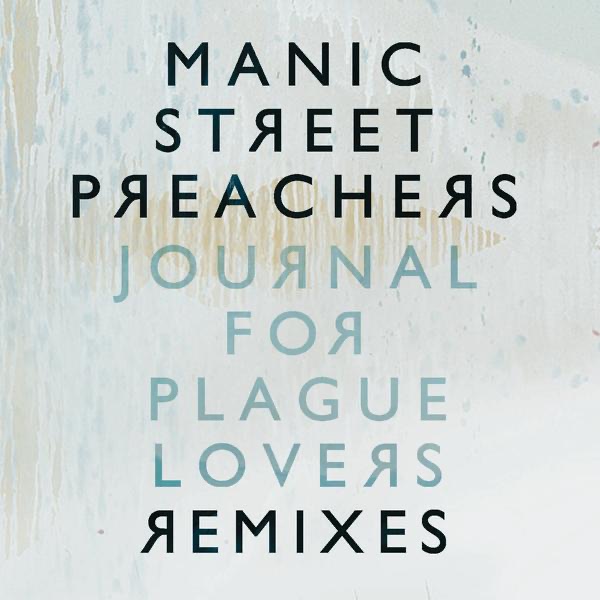 Manic Street Preachers - Journal for Plague Lovers
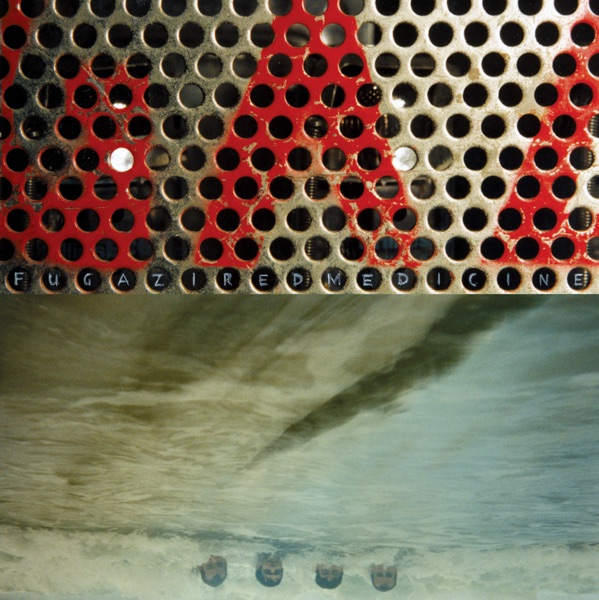 Fugazi - Red Medicine
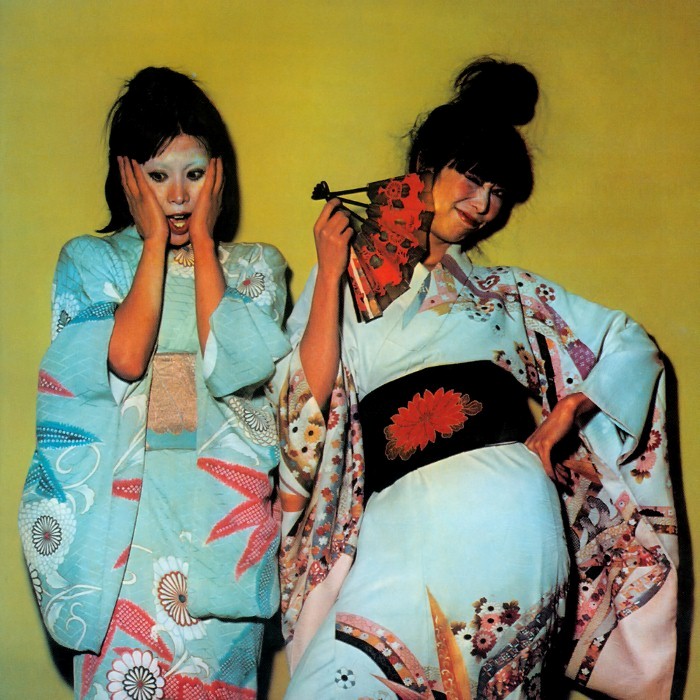 Sparks - Kimono My House
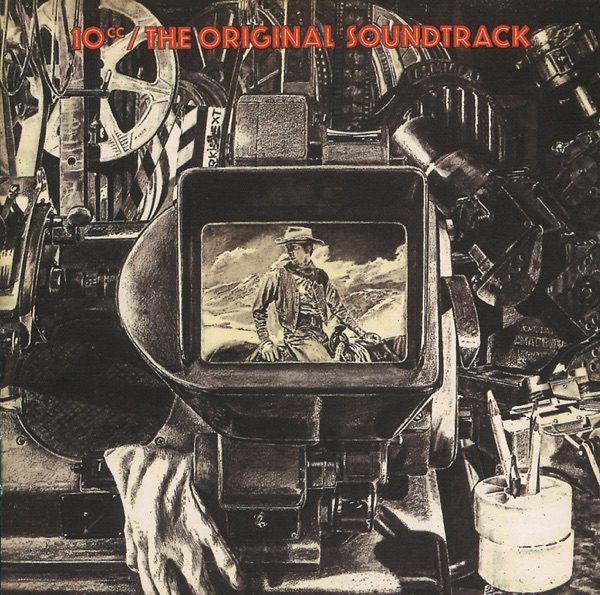 10cc - The Original Soundtrack
 Alt-J - An Awesome Wave
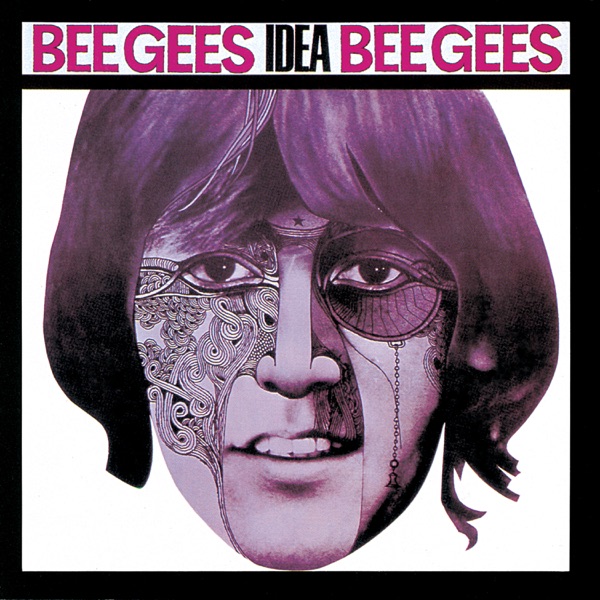 Bee Gees - Idea
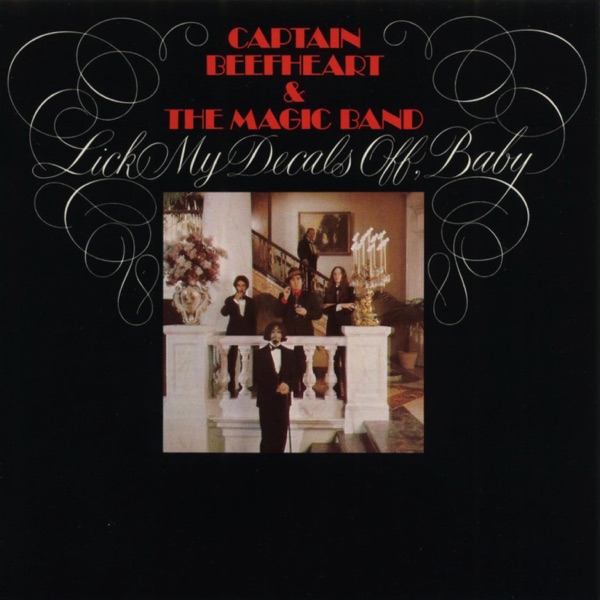 Captain Beefheart - Lick My Decals Off, Baby
 Peter Hammill - The Love Songs

Join the Conversation
Share your thoughts about this album.
Please log in to add a comment.
No comments yet. Be the first to comment.